UN
UN

Key Point
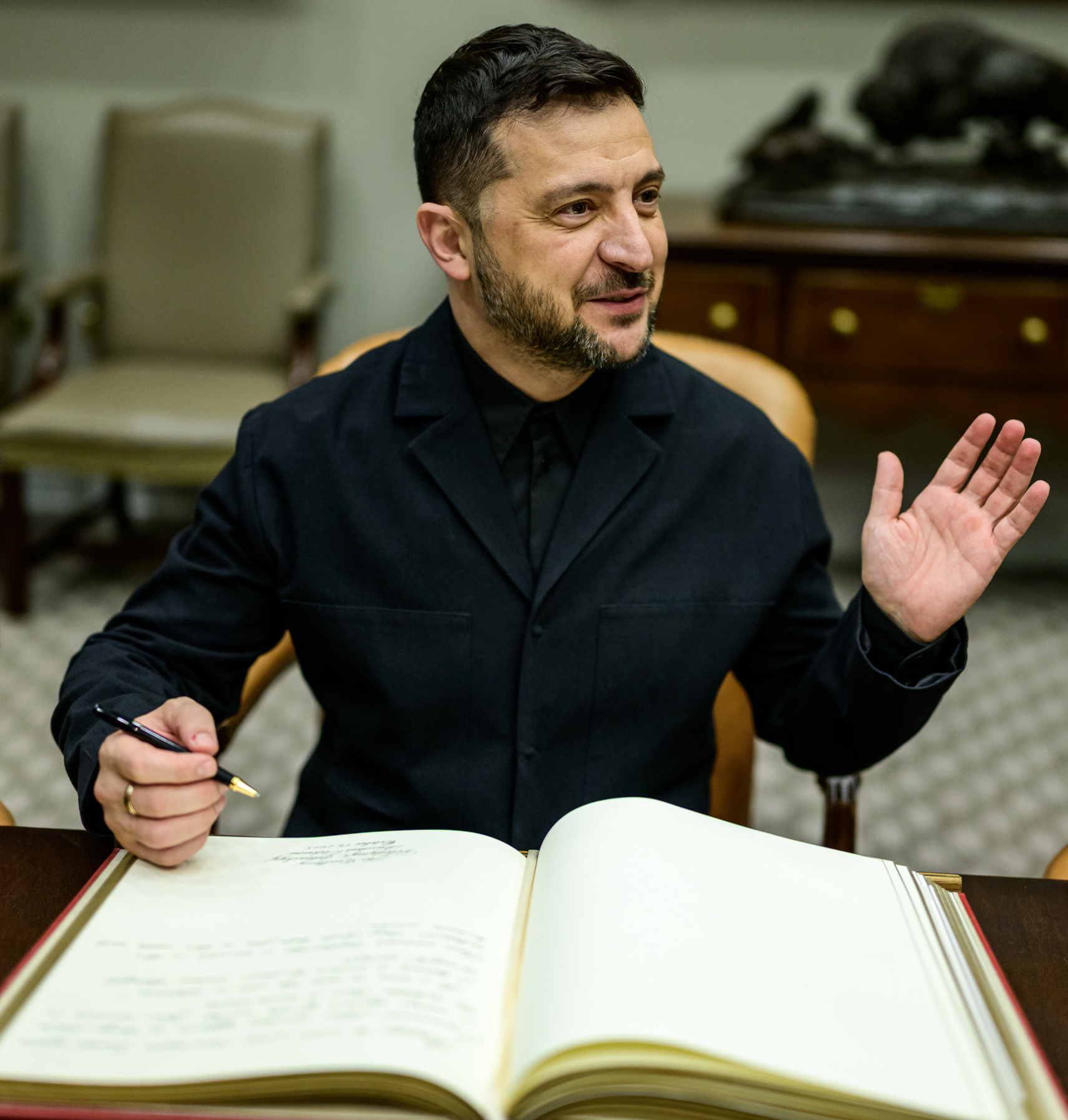
President Volodymyr Zelenskyy has proposed a temporary halt to attacks on energy infrastructure over Orthodox Easter on April 12, 2026, offering a narrow and symbolic de-escalation measure in a war that has repeatedly targeted civilian systems. The initiative might have opened a small diplomatic channel on its own. Instead, it arrived on the same day that a Russian drone strike hit a bus and killed civilians, sharply illustrating how little space there is between negotiation and violence.
That contrast is the story. A limited truce proposal is politically meaningful only if the battlefield allows it to become more than a headline.
Why It Matters
Energy infrastructure has been one of the war’s most strategically sensitive targets because it affects not only military resilience but also civilian life, winter preparedness, transport and industrial stability. A pause in those strikes, even briefly, would be one of the few concrete measures both sides could verify without attempting a broader ceasefire they are not prepared to sustain.
For Ukraine and its partners, the proposal also serves a diplomatic purpose. It positions Kyiv as willing to test a narrowly defined restraint while keeping attention on the continued cost of Russian attacks on civilians.
Evidence and Sources
AP reported on April 7, 2026 that Zelenskyy said Ukraine had offered, through the United States, a pause in attacks on energy infrastructure ahead of Orthodox Easter next weekend. In the same report, AP said a Russian drone strike hit a bus and killed four people, reinforcing the reality that combat operations remain intense even as limited de-escalation ideas are floated.
The proposal is modest by design. It does not amount to a ceasefire across the front, and there is no indication yet that Moscow will accept it. But because energy networks are visible, central and repeatedly targeted, this is one of the rare areas where a temporary restraint could be both operationally specific and politically legible.
What Happens Next
The next signal to watch is Russia’s response and, more importantly, whether attacks on power facilities change in practice as Orthodox Easter approaches on April 12, 2026. If the offer is ignored, the episode will still matter as evidence that limited humanitarian or infrastructure-focused pauses remain far easier to propose than to secure.