UN
UN
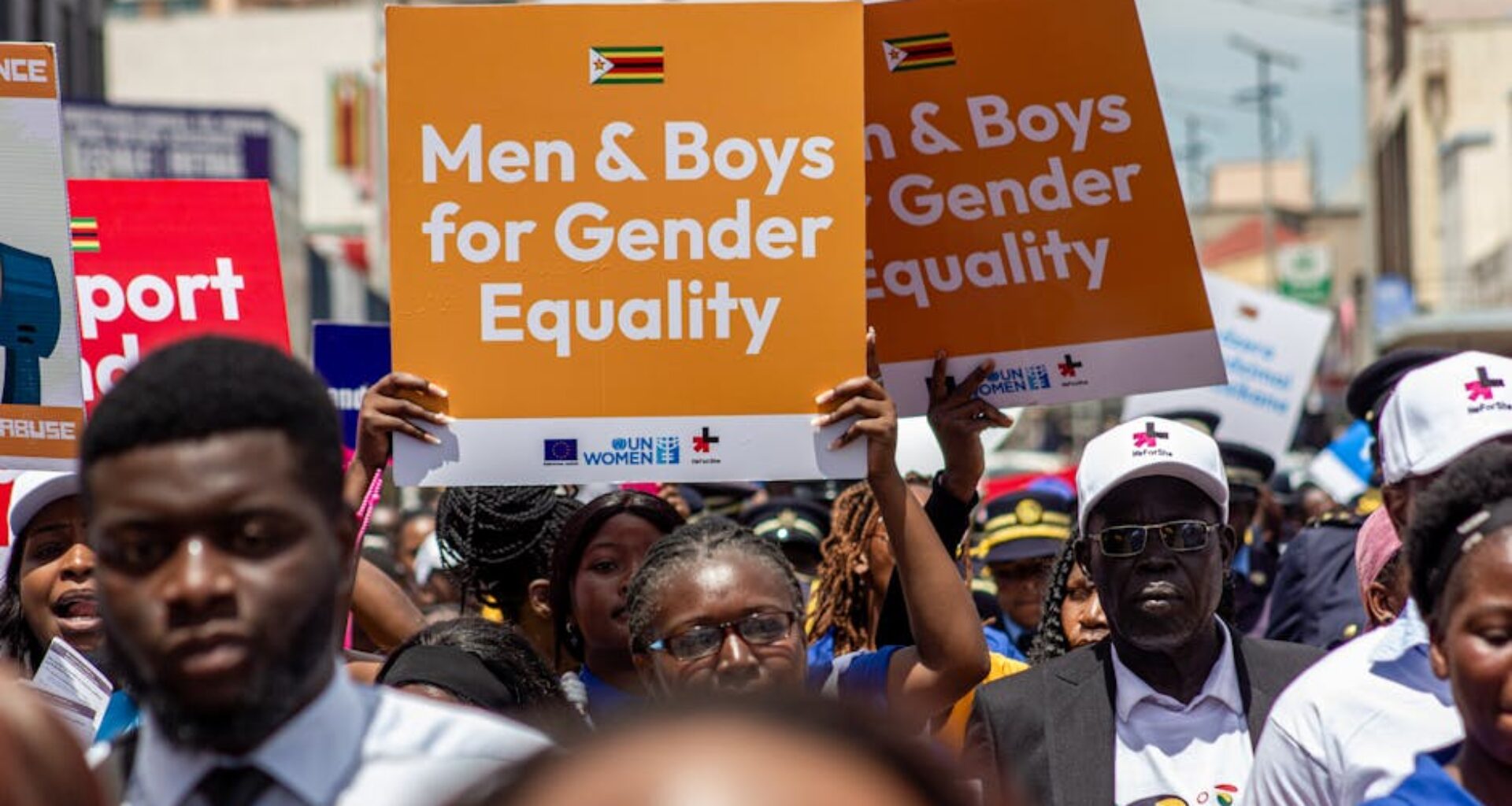
A recent report from Equal Measures 2030 reveals alarming setbacks in the global pursuit of gender equality, with more than 1 billion women and girls experiencing stagnation or regression in their rights and opportunities. The SDG Gender Index, released in early September 2024, highlights that no country is currently on track to fulfill the United Nations’ Sustainable Development Goal 5, which aims to achieve gender equality by 2030.
According to the report, over 850 million women and girls reside in countries categorized as “very poor” for gender equality. These individuals face a range of systemic abuses and restrictions, including forced pregnancies, child marriage, and prohibitions on secondary education. The period from 2019 to 2022 saw nearly 40% of nations either stall or backslide in their gender equality progress, a trend that threatens decades of advocacy and policy gains.
Experts emphasize that the stagnation or decline in gender equality is deeply concerning, given the essential role women’s empowerment plays in broader sustainable development. “When half the population is denied equal rights and opportunities, social and economic progress is hindered,” said Dr. Amina Jalloh, a gender policy analyst. The setbacks are often linked to entrenched cultural practices, economic inequalities, and insufficient political will to enforce gender-sensitive legislation.
The report also underscores the compounded impact of intersecting challenges such as poverty, conflict, and climate change, which disproportionately affect women and girls. Without accelerated and targeted interventions, the 2030 deadline for achieving gender equality risks becoming unattainable. Advocates call for renewed international commitment, increased funding for gender-responsive programs, and stronger accountability mechanisms to reverse these troubling trends.
As the global community reflects on these findings, it becomes clear that achieving SDG 5 requires urgent, coordinated action at all levels. Ensuring that women and girls can access education, health care, legal protections, and economic opportunities is not only a matter of human rights but also a prerequisite for sustainable development worldwide.