UN
UN
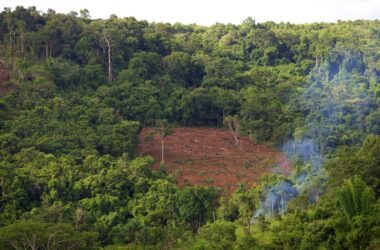
Once hailed as a global beacon for conservation and sustainable development, Costa Rica now faces growing challenges that threaten its green reputation. Recent reports indicate a significant shift in land use, with expanding agricultural fields replacing native forests, particularly in the Cartago province. José Sanchez, a local resident, recalls the hills once covered by rich forest ecosystems now dominated by cabbage and potato farms. This transformation reflects broader national trends where agricultural intensification is increasing rapidly.
Experts warn that this shift is accompanied by heightened environmental risks, notably from agrochemical contamination. Laboratory tests in the Santa Rosa de Oreamuno district have detected residues of chlorothalonil, a fungicide that has been banned in Europe and recently prohibited in Costa Rica due to its harmful health and ecological impacts. The contamination affects local water springs serving nearly 9,000 people, raising public health and environmental safety concerns.
Costa Rica’s pioneering environmental policies have historically enabled the country to protect over 25% of its land area under national parks and reserves, fostering biodiversity and ecotourism. However, the recent increase in agrochemical use and deforestation signals a potential loss of direction in balancing development with environmental stewardship. Conservationists emphasize the need for renewed commitment to sustainable farming practices and stronger enforcement of chemical regulations to safeguard natural resources.
This situation underscores the complex challenges faced by middle-income countries striving to maintain economic growth while preserving environmental gains aligned with the United Nations Sustainable Development Goals (SDGs), particularly SDG 15 (Life on Land) and SDG 6 (Clean Water and Sanitation). The Costa Rican experience serves as a cautionary tale about the delicate balance between agricultural productivity and long-term ecological health, highlighting the urgency for integrated policies and community engagement to restore and uphold the country’s green legacy.