UN
UN
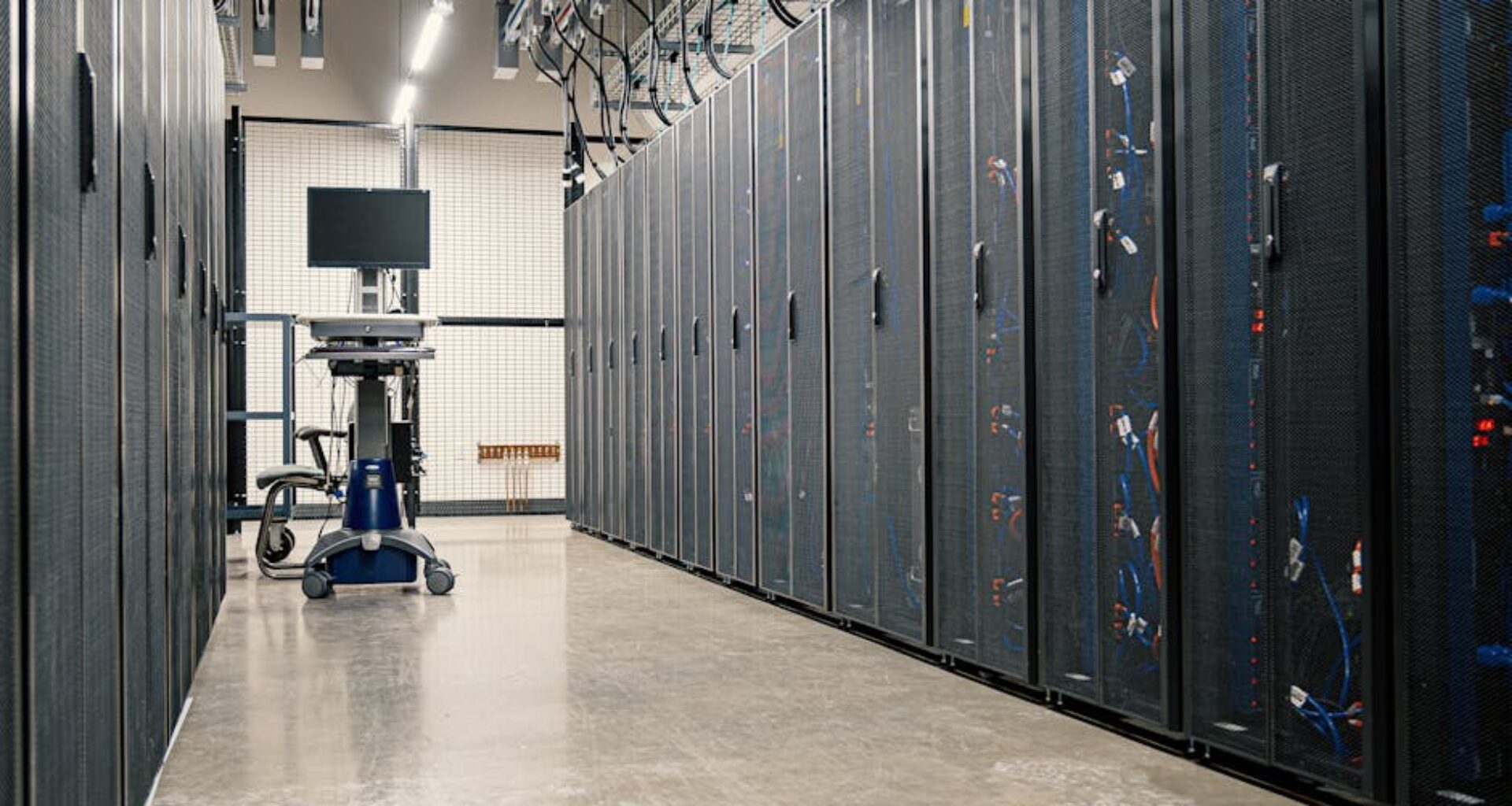
As Texas grapples with longstanding challenges related to water management and surging electricity demands, the burgeoning data center industry has come under increased scrutiny regarding its water consumption. At a recent Texas House committee hearing, Thomas Gleeson, Chairman of the Public Utility Commission of Texas (PUCT), emphasized the imperative for transparent and accurate data on water usage by data centers. His remarks underscore the broader concern about balancing rapid digital infrastructure growth with sustainable resource management in a state frequently impacted by drought and water scarcity.
Data centers—vital hubs for cloud computing and digital services—require significant amounts of water, primarily for cooling servers. In Texas, which has become a national leader in data center development due to its favorable business climate and energy resources, these facilities have sparked debate over their environmental footprint. Developers attending the hearing asserted that they have implemented advanced technologies and operational practices leading to substantial reductions in water consumption compared to earlier estimates.
According to industry representatives, water usage per megawatt of data center capacity has dropped markedly, reflecting investments in more efficient cooling systems and water recycling methods. This narrative counters critics who have raised alarms about the sector’s potential to exacerbate water stress in a region already facing competition among agriculture, municipalities, and industry for limited supplies. However, experts and policymakers alike stress the need for comprehensive, standardized reporting to verify these claims and inform sustainable planning.
The dialogue in Texas mirrors global discussions on integrating the rapid expansion of digital infrastructure with the Sustainable Development Goals (SDGs), particularly SDG 6 (Clean Water and Sanitation) and SDG 9 (Industry, Innovation, and Infrastructure). Ensuring that data centers operate with minimal environmental impact while supporting economic growth is a complex but vital objective. As Texas moves forward, coordinated efforts among regulators, industry, and communities will be critical to safeguarding water resources amid evolving demands.
Looking ahead, the PUCT’s call for improved data transparency aims to provide policymakers with the tools needed to balance growth and sustainability. By fostering accountability and encouraging innovation in water-efficient technologies, Texas can set an example for other regions facing similar tensions between digital expansion and environmental stewardship.