UN
UN
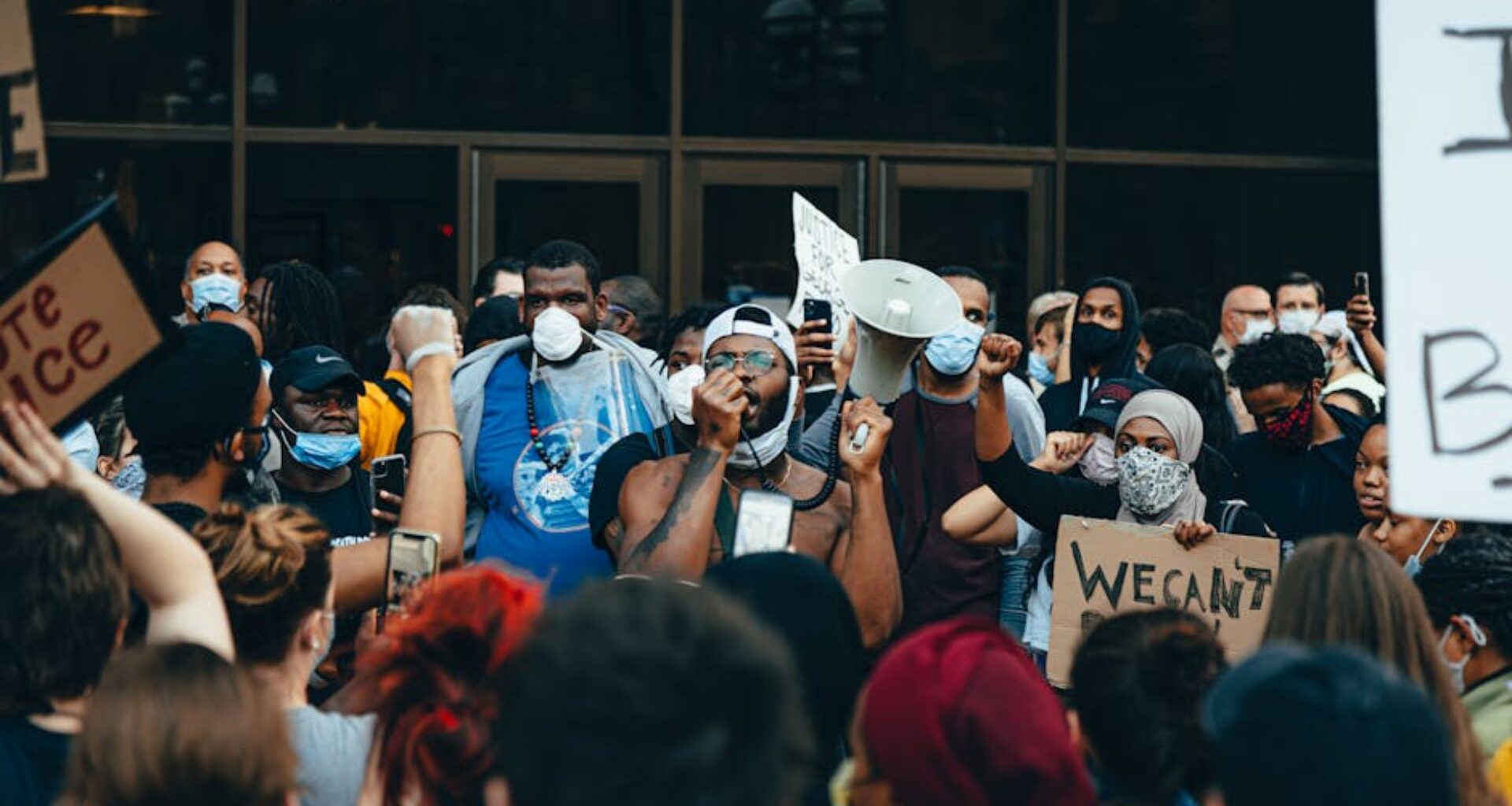
In Minneapolis, community activists have intensified their longstanding campaign against the Hennepin Energy Recovery Center, a trash incinerator, by initiating a hunger strike aimed at compelling local authorities to shut down the facility. The incinerator, which converts waste into energy, is located in a predominantly Black neighborhood that already suffers from disproportionately high rates of asthma and other respiratory illnesses. Residents and environmental advocates argue that the facility contributes significantly to toxic air pollution, exacerbating health disparities and environmental injustice in the area.
The Hennepin Energy Recovery Center has been a focal point of contention for decades, with community groups consistently raising concerns over the environmental and public health impacts of burning waste within city limits. Despite efforts to regulate emissions, the incinerator continues to emit pollutants that local activists claim undermine air quality and community well-being. The hunger strike represents an escalation in protest tactics, underscoring the urgency felt by residents who are demanding immediate action from city officials.
Environmental justice experts emphasize that facilities like the Hennepin incinerator often disproportionately affect marginalized communities, highlighting a broader pattern of systemic inequities in pollution exposure. According to data from the American Lung Association, asthma prevalence in Minneapolis’s Black communities is notably higher than the national average, a disparity linked in part to environmental factors including air pollution. Activists assert that transitioning away from waste incineration towards more sustainable and less harmful waste management practices aligns with several United Nations Sustainable Development Goals, notably SDG 3 (Good Health and Well-being) and SDG 11 (Sustainable Cities and Communities).
City officials have acknowledged the community’s concerns but have so far stopped short of committing to a shutdown, citing the incinerator’s role in waste management and energy generation. However, the hunger strike and mounting public pressure may catalyze renewed discussions about alternative waste solutions that prioritize community health and environmental sustainability. This ongoing struggle in Minneapolis highlights the intersection of environmental health, racial equity, and urban sustainability challenges faced by cities worldwide.
As this protest unfolds, it serves as a powerful reminder of the critical need for inclusive policy-making that addresses environmental burdens borne disproportionately by marginalized populations. The Minneapolis hunger strike not only demands the closure of a polluting facility but also calls attention to the broader imperative of achieving environmental justice as part of the global sustainable development agenda.