




 UN
UN
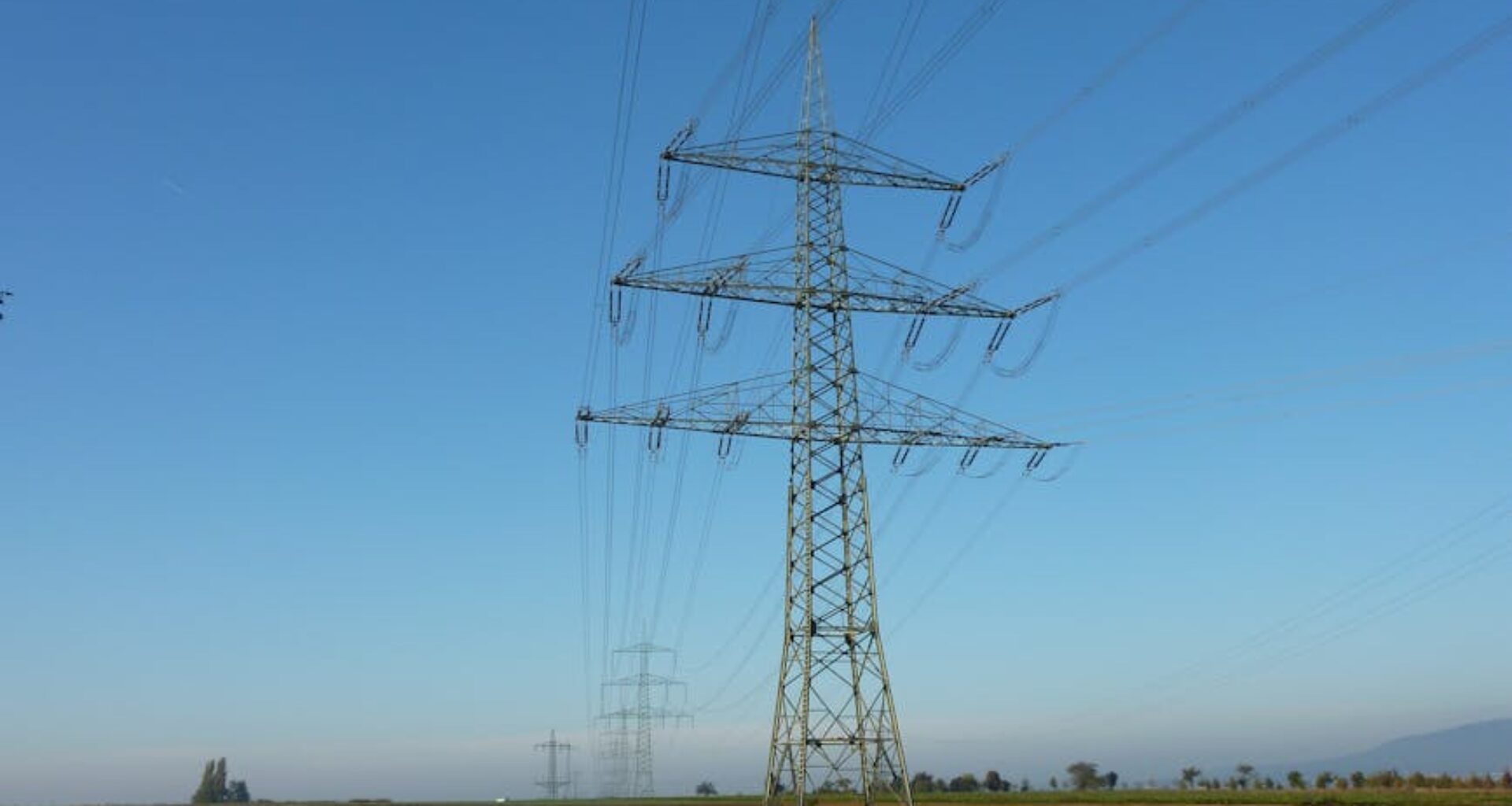
India has announced new targets for expanding green electricity capacity and reducing emissions intensity by 2035, marking a significant step in the country’s commitment to sustainable development and climate action. The goals reflect a balance between ambition and achievability, aiming to align India’s energy sector with its climate commitments under the Paris Agreement while recognizing the nation’s ongoing progress in renewable energy deployment.
The government’s targets include substantial increases in renewable electricity generation and a measurable reduction in carbon emissions intensity, which refers to emissions per unit of GDP. These targets are designed to help India transition away from fossil fuels toward cleaner energy sources, supporting both national energy security and global efforts to limit temperature rise.
While many analysts have praised the 2035 goals as realistic and attainable given India’s rapid expansion of solar and wind power in recent years, some experts caution that the targets may lack the necessary ambition to fully meet the urgent demands of climate mitigation. India has already made significant strides in renewable energy capacity, suggesting that these goals, while commendable, may be relatively modest compared to the country’s potential.
Despite differing perspectives on the level of ambition, India’s approach underscores the importance of setting clear, achievable milestones to maintain momentum in the energy transition. The targets also highlight the role of policy frameworks, investment incentives, and technological innovation in driving sustainable growth and reducing carbon emissions.
Achieving these objectives will be crucial for India, which remains one of the world’s largest emitters due to its growing population and industrial base. Progress in green electricity and emissions intensity reduction will contribute not only to global climate stabilization efforts but also to improving air quality and public health domestically.
As India moves forward, continuous monitoring and potential recalibration of targets will be essential to ensure alignment with both national development goals and international climate commitments, fostering a sustainable energy future that supports economic growth and environmental stewardship.