

 UN
UN
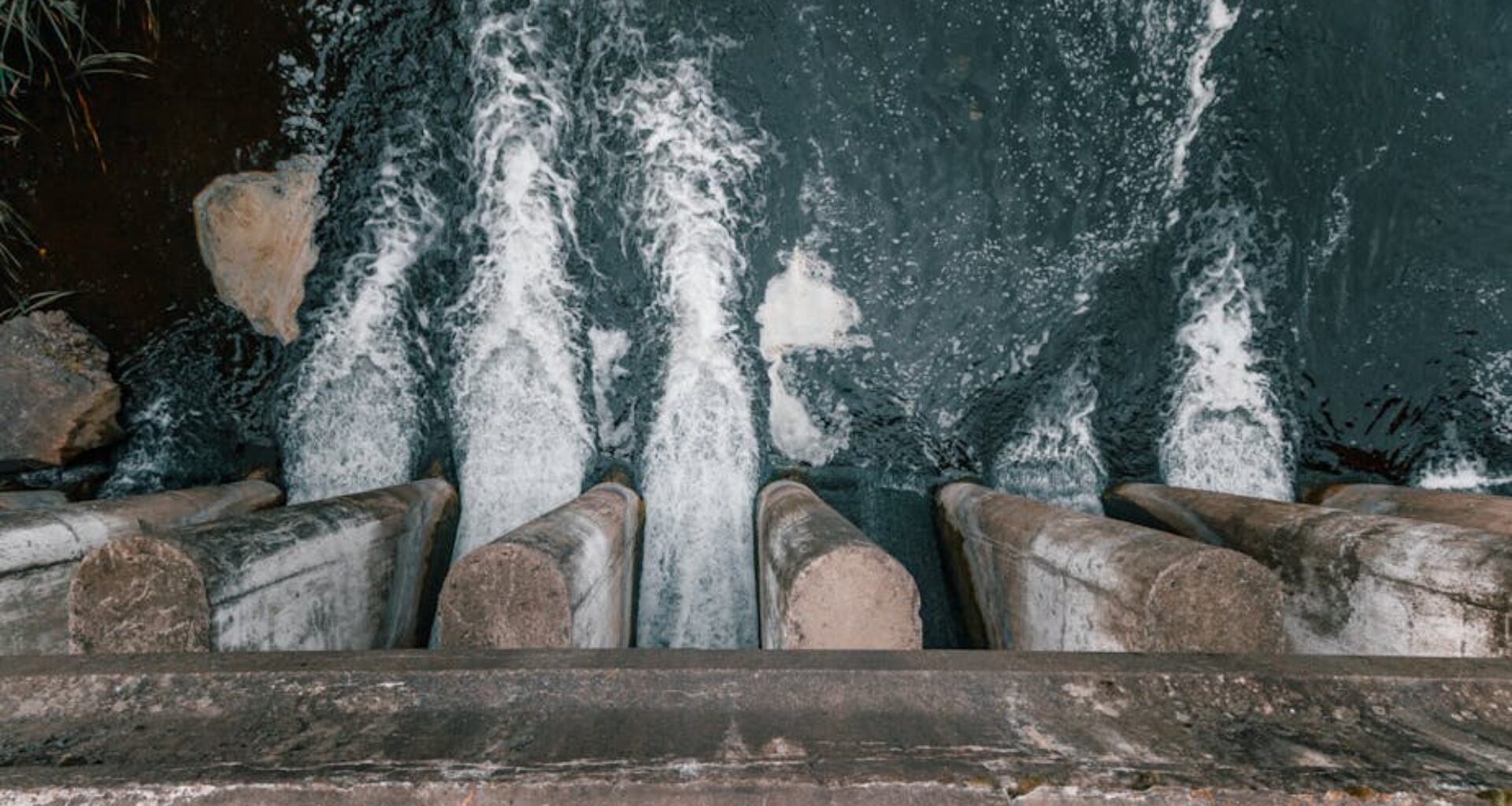
Once a vibrant and meandering waterway flowing through dense forests and tidal marshlands, the Bronx River has long supported migratory fish species such as river herring. These fish historically journeyed upstream from the East River and Long Island Sound to spawn, playing a crucial role in maintaining the aquatic ecosystem’s balance. However, the river’s current state is markedly different due to urbanization and the construction of numerous dams along its course.
Decades-old dams, many no longer serving any functional purpose, now act as barriers preventing migratory fish from reaching their traditional spawning grounds. The resulting disruption has led to a steep decline in river herring populations, which not only affects aquatic biodiversity but also undermines the ecological services these species provide. Experts warn that without intervention, the Bronx River’s ecosystem will continue to degrade, further impacting water quality and habitat resilience.
Efforts are underway by environmental groups and local authorities to assess the feasibility of dam removal or modification to restore fish passage. Removing obsolete dams aligns with broader goals under the United Nations Sustainable Development Goal 15, which emphasizes life on land and in freshwater ecosystems. Restoring natural river flow can revive habitats, enhance biodiversity, and improve flood management in urban areas.
This situation highlights a common global challenge: balancing infrastructure legacy with ecological restoration. As cities expand, many waterways have been altered in ways that compromise their natural functions. The Bronx River case underscores the importance of integrating sustainable water management and habitat conservation into urban planning to achieve long-term environmental sustainability.
“Reconnecting rivers to their natural state is vital for supporting migratory fish and the broader ecosystem,” says a freshwater ecologist involved in restoration efforts. “These actions not only benefit wildlife but also improve community resilience against climate change impacts.”
The restoration of the Bronx River offers a compelling example of how targeted interventions can reverse environmental degradation and contribute to the achievement of multiple SDGs, including clean water and sanitation (SDG 6), sustainable cities and communities (SDG 11), and life below water (SDG 14). It serves as a call to action for policymakers and stakeholders globally to prioritize river restoration in urban environments.