



 UN
UN
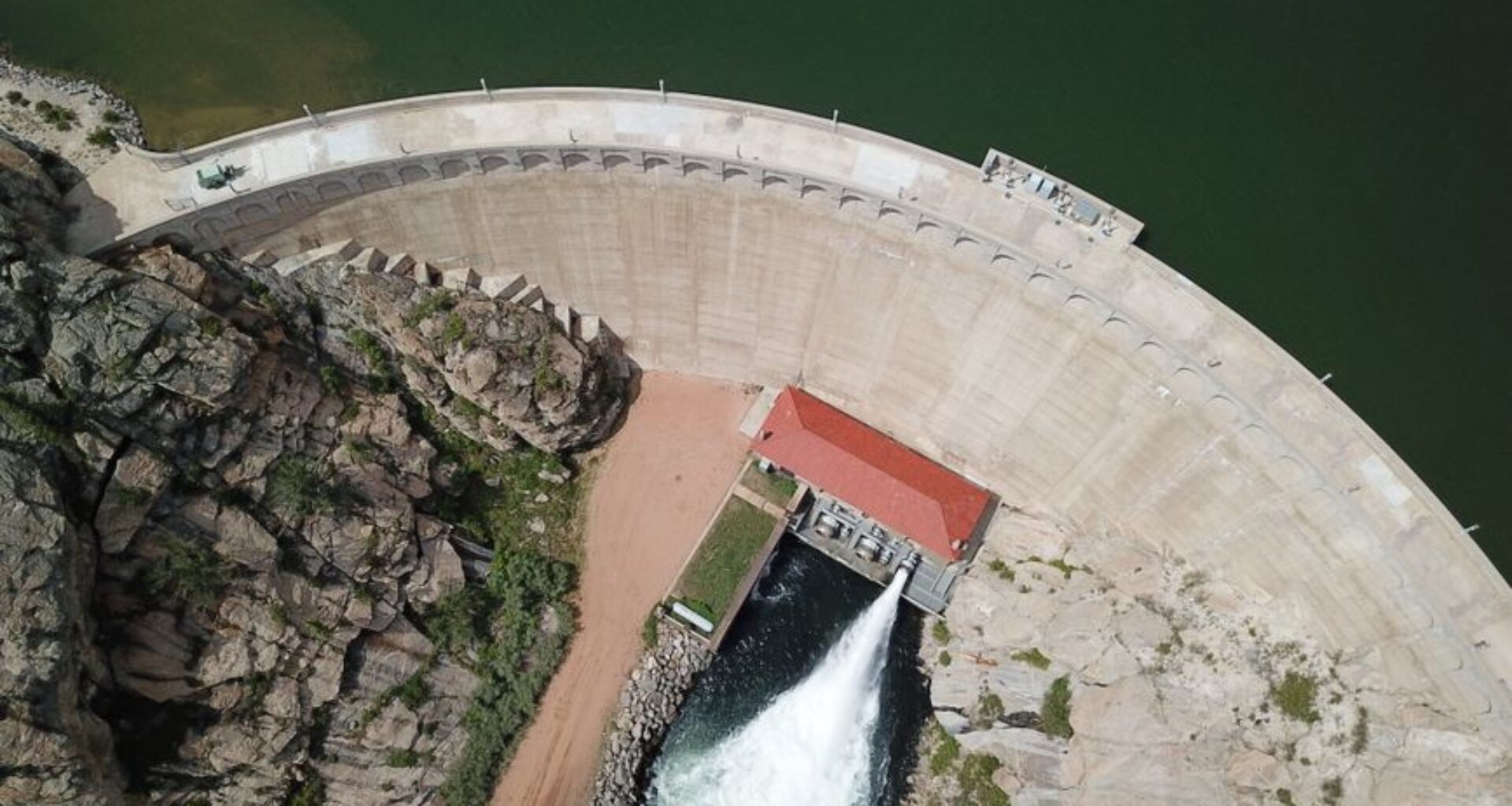
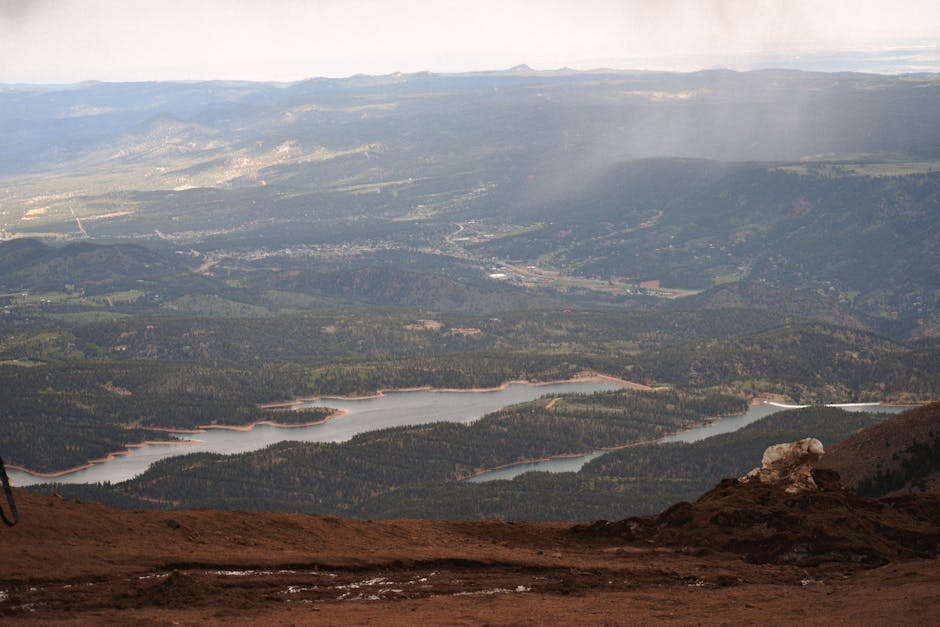
In southern Colorado, a persistent drought and declining groundwater levels have jeopardized the quality of drinking water for rural communities reliant on private wells. Residents in the San Luis Valley, a region dependent on the rapidly depleting confined aquifer beneath, report noticeable changes in their well water, including altered taste, odor, and color. These shifts are raising alarm about increased concentrations of harmful heavy metals such as arsenic, uranium, and selenium, which pose significant health risks.
Julie Zahringer, who operates an environmental laboratory in Alamosa, Colorado, frequently encounters concerned locals seeking answers about their changing well water. Many have consumed water from family-owned wells for decades without issue, only to find recent samples exceeding safe contaminant thresholds. The aquifer’s low water levels are believed to mobilize naturally occurring heavy metals from surrounding sediments into the water supply, exacerbating exposure risks.
This emerging crisis underscores the intersection of climate change, water scarcity, and public health challenges in rural America. The prolonged drought has not only reduced water availability but also intensified contamination risks, disproportionately affecting low-income and agricultural communities with limited access to centralized water treatment infrastructure. Experts emphasize the urgent need for expanded monitoring, remediation efforts, and support for affected households to ensure safe drinking water.
Addressing these threats aligns with Sustainable Development Goal 6, which aims to ensure availability and sustainable management of water and sanitation for all. Policymakers and environmental agencies are called upon to strengthen regulations, improve groundwater management, and invest in infrastructure upgrades. Community education about contamination risks and mitigation strategies remains vital to protect vulnerable populations now facing the compounded impacts of environmental and climatic stressors.
As Colorado and other arid regions grapple with the realities of climate-induced water scarcity, the situation in the San Luis Valley serves as a cautionary example of how dwindling aquifers can trigger secondary environmental health hazards. Coordinated action involving scientists, local stakeholders, and government bodies is essential to safeguard rural drinking water quality and uphold the human right to safe, clean water.