UN
UN
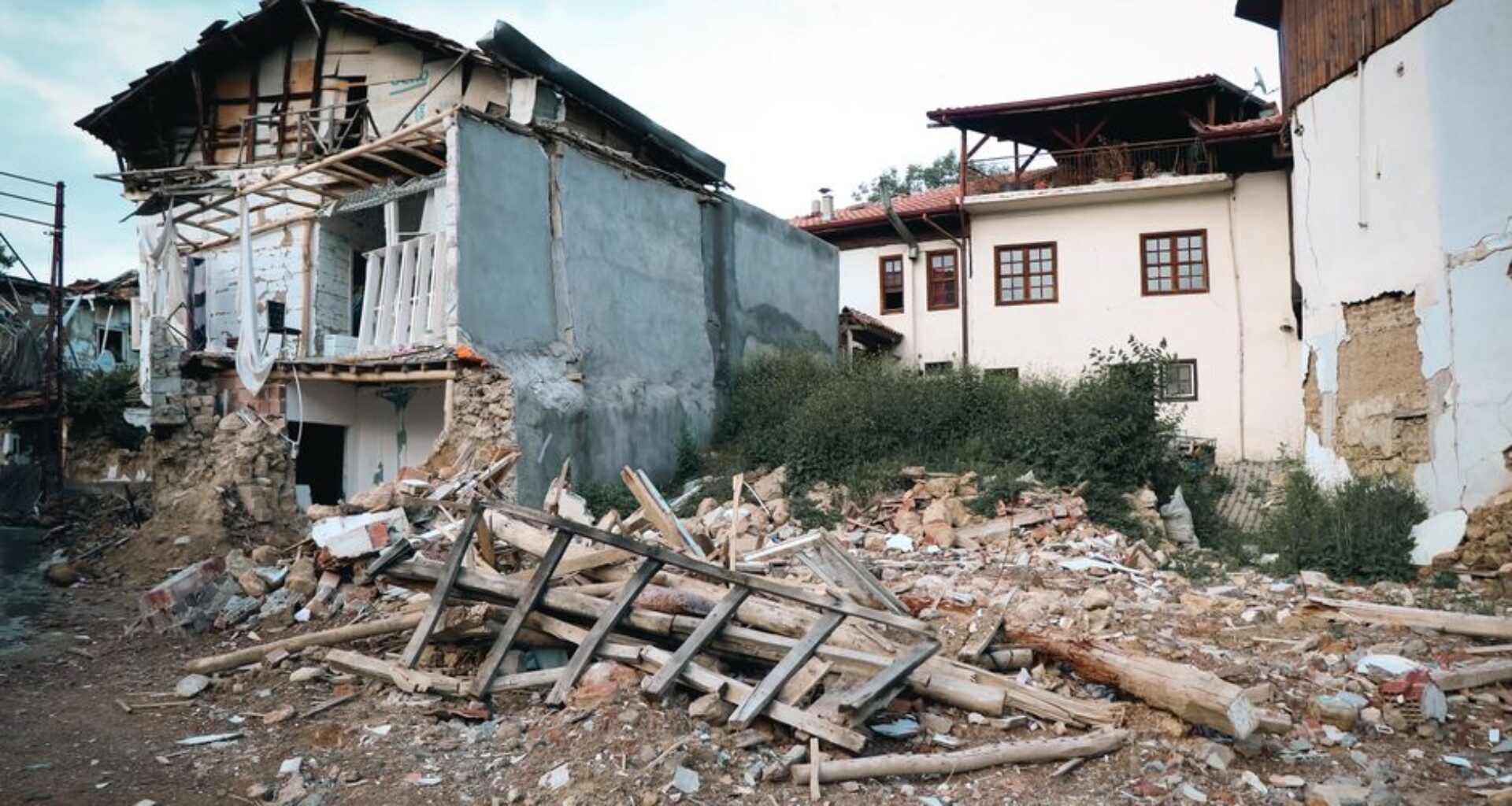
(SDGTALKING) – By Bunyamin Surmeli – Following the major earthquake that struck Colombia in early August, the United Nations and its partners have focused their reconstruction efforts on safer housing, schools, and strengthened local governments. The earthquake affected 16 regions and approximately 196,000 families, while nearly 4,000 educational facilities sustained damage.
In the wake of one of the largest earthquakes Colombia has experienced in recent years, search-and-rescue operations have given way to a long-term reconstruction process.
According to an assessment published on September 3 by the United Nations Sustainable Development Group, the earthquake in early August affected the country’s 16 administrative regions and approximately 196,000 families.
While homes, livelihoods, health centers, and hospitals were damaged in the earthquake, approximately 4,000 educational facilities were also damaged.
Aid has reached 72,000 people
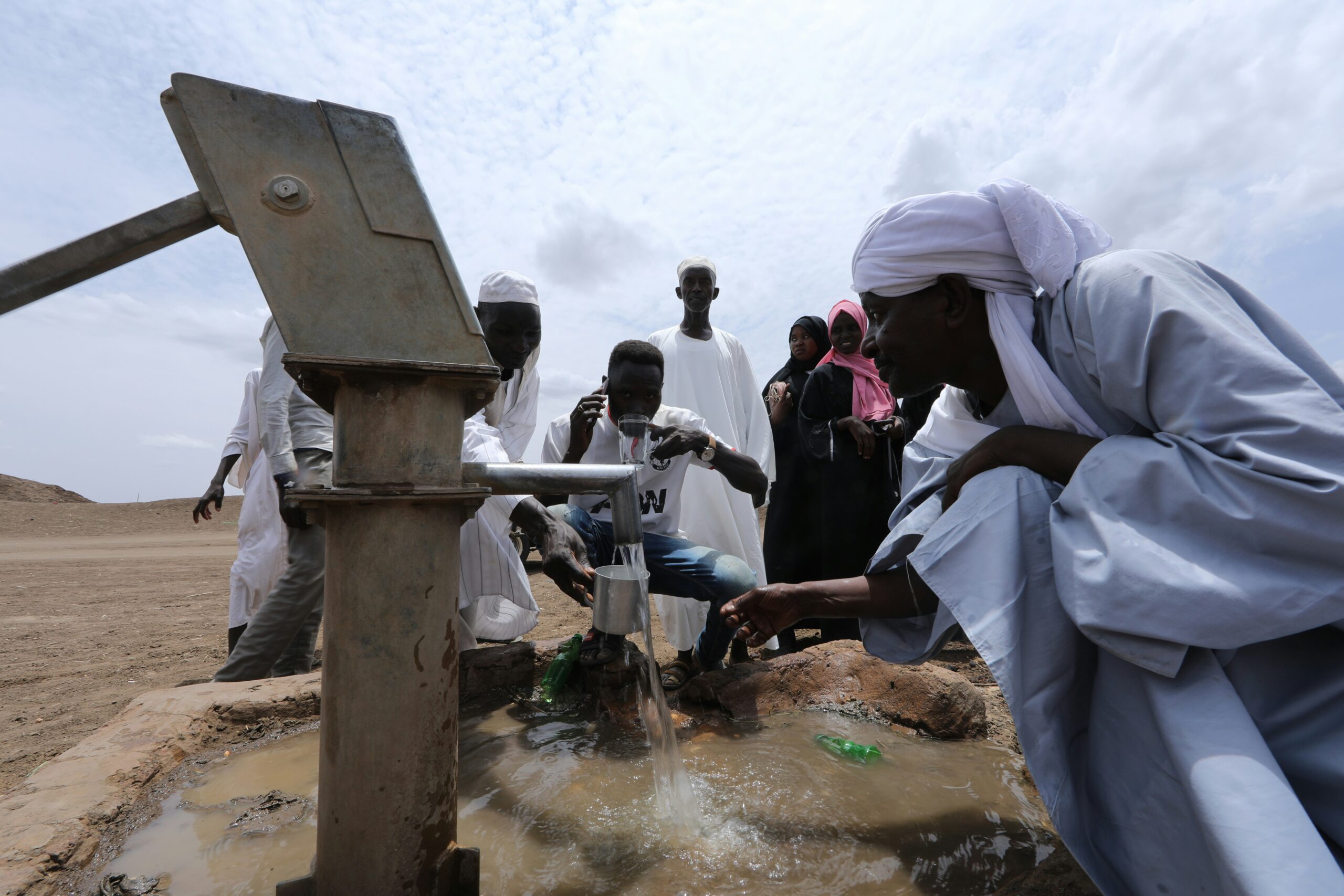
To date, the UN and its humanitarian partners have provided support in the areas of shelter, health, education, water, and sanitation to 72,000 people.
However, following the emergency response phase, efforts are now shifting toward a longer-term goal: ensuring that the vulnerabilities that existed before the disaster are not recreated.
The UN aims to create housing and public infrastructure that is more resilient to future disasters, rather than simply rebuilding damaged structures.
Local government capacity will be strengthened
Local governments constitute one of the key pillars of the reconstruction process.
It is reported that municipalities and local institutions have been severely strained as they are required to both manage reconstruction and restore essential services in the aftermath of the disaster.
For this reason, the UN is working with national disaster management agencies, the Office of the Vice President of Colombia, and the Ministry of Foreign Affairs to ensure that support provided at the national level reaches municipalities and affected communities directly.
The long-term goal is to build safer homes, reopen schools, restore livelihoods, and ensure that local governments are better prepared for future disasters.
These efforts once again highlight the importance of creating disaster-resilient settlements, particularly under SDG 11 – Sustainable Cities and Communities.