UN
UN 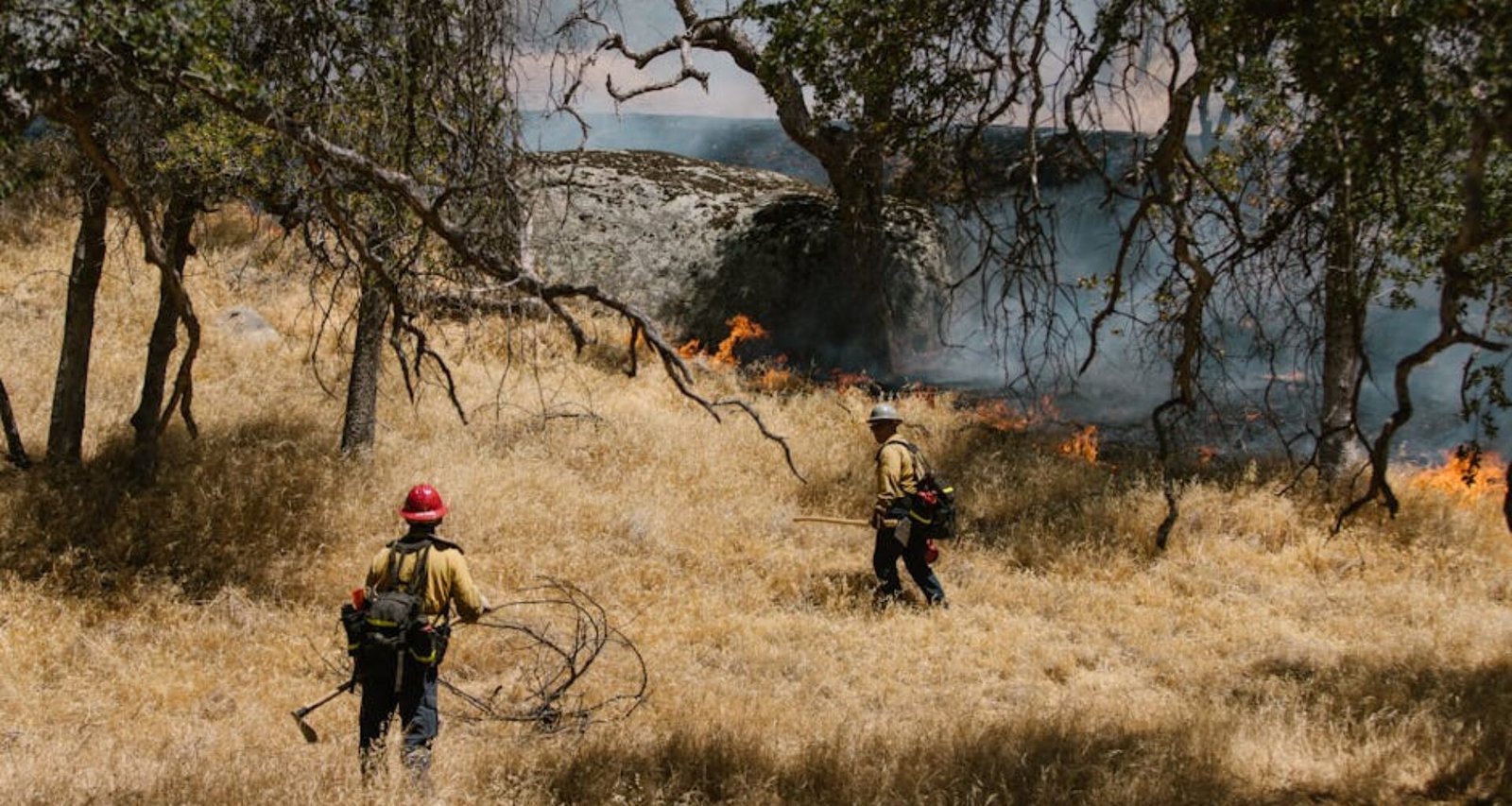
New Jersey is currently facing an elevated risk of wildfires following a snowy winter that delayed critical prescribed burns, according to the New Jersey Forest Fire Service. This month, conditions including lower humidity levels, temperatures soaring into the 80s Fahrenheit, and southwest winds gusting up to 30 miles per hour have created an environment conducive to rapid fire spread across parts of New Jersey and neighboring Delaware.
Prescribed burns are a key preventive tool used to reduce fuel loads in forests and grasslands, mitigating the intensity and likelihood of wildfires. However, the extended snow cover and wet conditions this past winter postponed these controlled burns, leaving vegetation denser and more flammable than usual. Experts warn that the combination of dry and windy weather increases the vulnerability of these landscapes to ignition and fast-moving fires.
The rising wildfire risk in a temperate northeastern state like New Jersey underscores the broader implications of shifting climate patterns. Warmer temperatures and altered precipitation cycles are extending fire seasons beyond traditional bounds, challenging existing forest management practices. Also, increased urban development near forested areas amplifies the potential human and economic impacts of wildfires.
Forest ecologists and fire management officials are calling for adaptive strategies that incorporate climate projections and prioritize early-season prescribed burns when conditions allow. Enhancing community preparedness, investing in fire detection technologies, and promoting public awareness about fire risks are also crucial components of a comprehensive approach to wildfire resilience.
As wildfire risks escalate in regions traditionally considered low-risk, New Jersey’s experience serves as a reminder of the interconnected nature of climate change, land management, and community safety. Coordinated efforts at the local, state, and federal levels will be essential to protect ecosystems, infrastructure, and lives from the growing threat of wildfires.