UN
UN 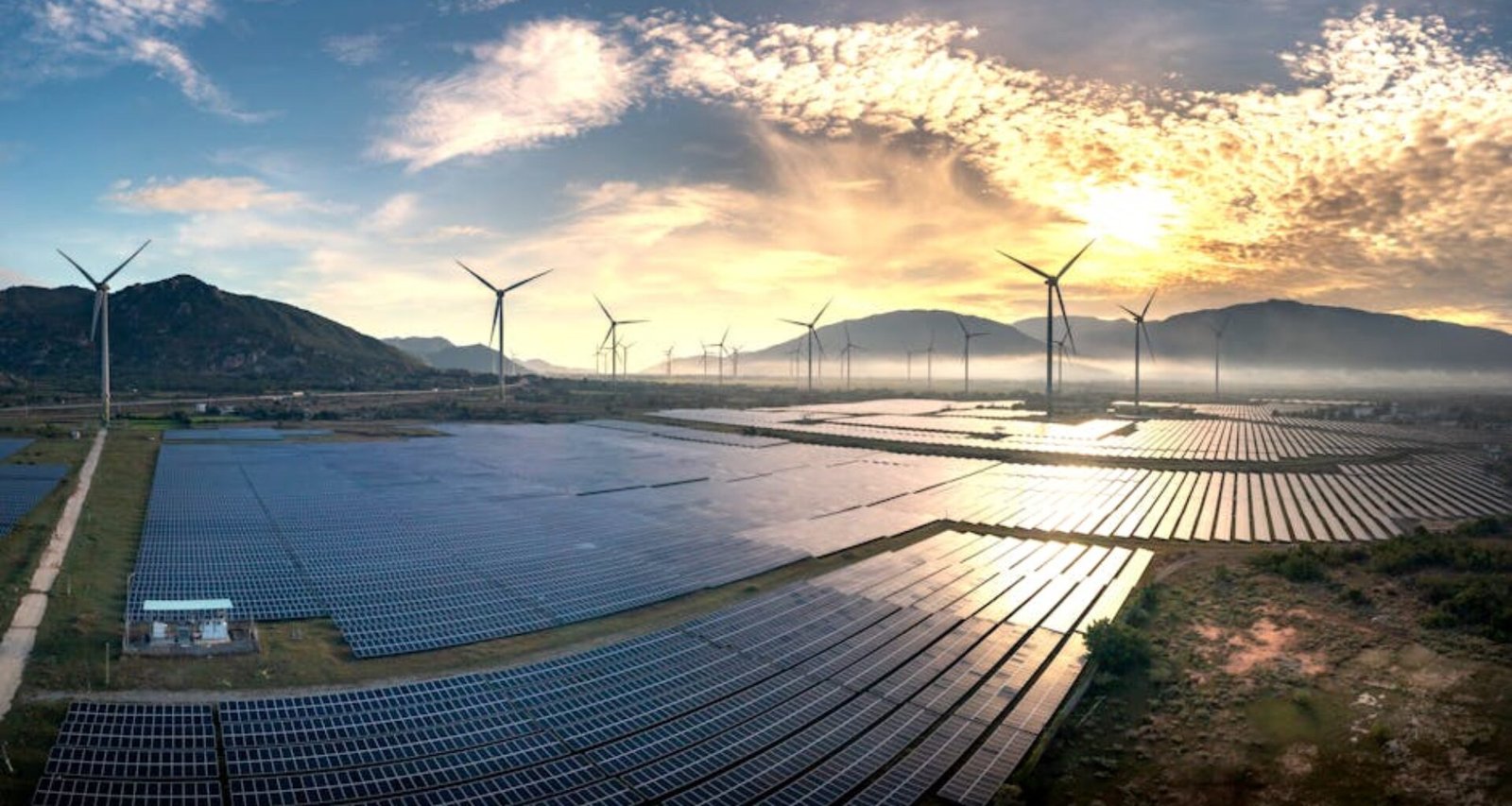
- Renewable energy capacity passed 4,000 GW globally as of mid-2024.
- Solar and wind power contribute nearly 80% of total renewable capacity.
- China, the United States, and the European Union lead in installed renewable capacity.
Global renewable energy capacity has grown steadily over the past decade, with the International Renewable Energy Agency (IRENA) reporting a cumulative total exceeding 4,000 GW worldwide by June 2024. This expansion is a critical component of efforts to meet SDG 7, which aims for affordable, reliable, sustainable, and modern energy for all. The milestone indicates more countries are investing in cleaner energy infrastructure to reduce reliance on fossil fuels and curb carbon emissions.
Solar photovoltaic (PV) and wind power have been the primary drivers of this growth, accounting for approximately 80% of new renewable installations. The rapid cost declines in solar panels and wind turbines, combined with supportive policies and financing mechanisms, have made renewable energy increasingly competitive with conventional energy sources. According to IRENA, solar capacity alone reached about 2,300 GW, underscoring its dominant role in the energy transition.
China remains the worldâs largest market for renewables, holding nearly 1,400 GW of installed capacity, followed by the United States with over 1,000 GW and the European Union with around 700 GW. These regions benefit from robust policy frameworks, significant investments in grid modernization, and commitments to net-zero carbon targets. Experts such as Francesco La Camera, Director-General of IRENA, emphasize that sustained global collaboration and investment are essential to maintain momentum and close the energy access gap in developing countries.
Despite this progress, challenges remain. Access to clean energy remains uneven, with nearly 770 million people lacking electricity in 2023, primarily in sub-Saharan Africa and parts of Asia. Financing remains a barrier for many low-income nations seeking to scale renewable infrastructure. Also, integrating variable renewable energy into existing grids requires technological upgrades and regulatory reforms. Nonetheless, the surpassing of 4,000 GW capacity symbolizes a turning point toward a more sustainable and resilient global energy system.
Frequently Asked Questions
What does surpassing 4,000 GW of renewable capacity mean for SDG 7?
Surpassing 4,000 GW indicates significant global progress toward SDG 7’s target of affordable and clean energy for all. It shows rapid adoption of renewables, helping reduce greenhouse gas emissions and expand energy access, though challenges remain in reaching underserved populations.
Which countries lead the renewable energy capacity race?
China is the leading country with nearly 1,400 GW installed renewable capacity, followed by the United States (over 1,000 GW) and the European Union (approximately 700 GW). These regions have invested heavily in solar, wind, and supportive energy policies.
What are the main obstacles to expanding renewable energy globally?
Challenges include financing gaps, especially in low-income countries, the need for grid modernization to integrate variable energy sources, and ensuring equitable access to clean energy technologies for all populations worldwide.