UN
UN 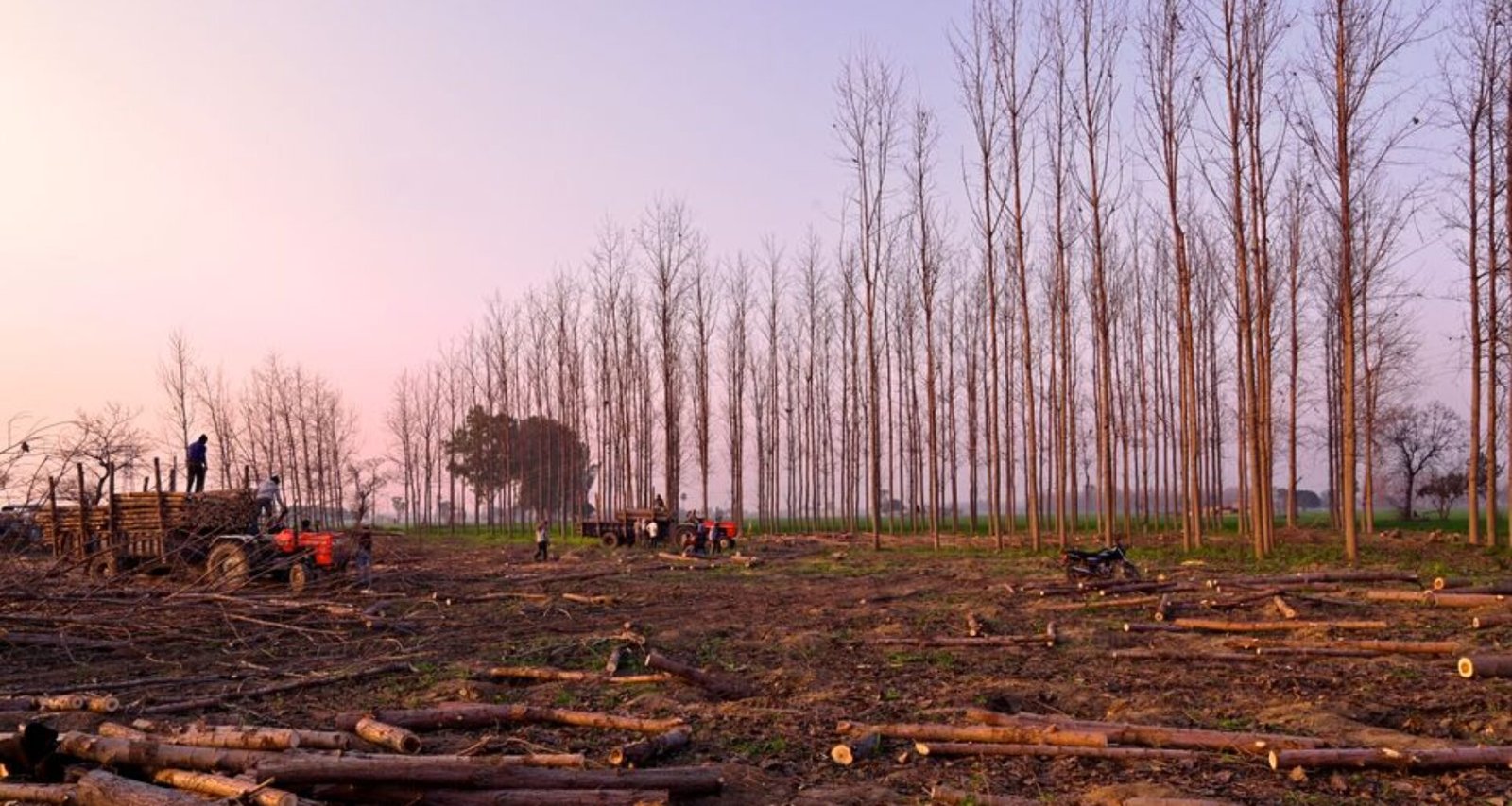
On a humid Thursday morning in Orange Walk District, heavy machinery belonging to Mennonite cooperatives carved new access roads into what was forest just months ago. This scene has become increasingly common across northern Belize, where agricultural settlements linked to Mennonite communities have accelerated land acquisitions throughout 2026.
Belize has lost approximately 20% of its forest cover—over 350,000 hectares—since the early 2000s, according to the Ministry of Sustainable Development. Satellite imagery from this June shows that much of this deforestation is concentrated around Mennonite enclaves such as Spanish Lookout and Blue Creek, where industrial-scale farming of soybeans, corn, and livestock continues to expand. Mennonite agricultural corporations, some with annual revenues exceeding $100 million, have leveraged collective purchasing and informal land networks to rapidly consolidate territory, often outpacing government oversight.
The Belize Forest Department, responding to renewed pressure from conservation NGOs, announced earlier this summer a review of land transfer policies. However, environmental watchdogs like the Belize Audubon Society remain skeptical. “We’ve seen multiple pledges for stricter enforcement over the past 18 months, but illegal clearings and unregulated land swaps are still happening,” said executive director Marisol Cocom during a field visit last week.
Mennonite leaders defend their practices, citing their role in Belize’s food security and rural employment. Yet with Belize’s 2030 National Biodiversity Strategy at risk, policymakers are weighing new monitoring technology and land registry reforms. As of August 2026, there is little evidence that deforestation rates are slowing, despite mounting international scrutiny and the government’s commitment to SDG 15: Life on Land.
For local communities and international partners, the next quarter will be critical. With the dry season approaching, forest loss is expected to spike unless regulatory gaps are closed and sustainable agriculture incentives reach the ground.
Frequently Asked Questions
How much forest has Belize lost due to deforestation since the early 2000s?
Belize has lost about 20% of its forest cover, which is over 350,000 hectares, since the early 2000s.
Which areas in Belize are most affected by Mennonite-driven deforestation?
Deforestation is concentrated around Mennonite communities such as Spanish Lookout and Blue Creek.
How much revenue do Mennonite agricultural corporations generate in Belize?
Mennonite agricultural corporations in Belize have annual revenues exceeding $100 million.
Is there evidence that deforestation rates in Belize are slowing as of August 2026?
As of August 2026, there is little evidence that deforestation rates are slowing despite government pledges.
What actions has the Belize government taken in response to deforestation concerns?
The Belize Forest Department announced a review of land transfer policies in response to pressure from conservation NGOs.