




 UN
UN 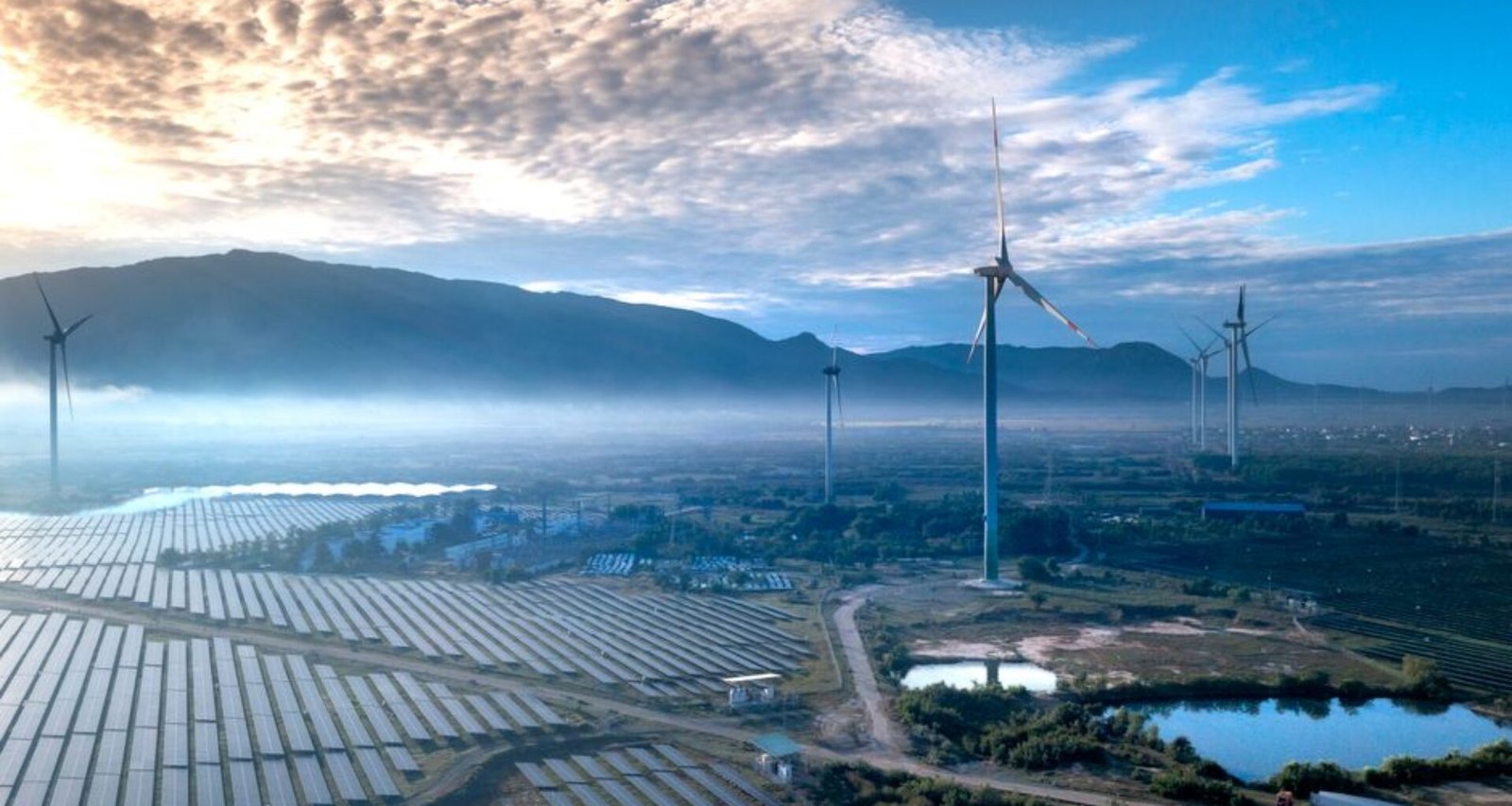
On Saturday afternoon in Manila, as temperatures hovered near 35°C and air conditioning demand surged, rolling brownouts again swept parts of the Philippines’ capital. Similar grid instability is playing out across Southeast Asia this summer, raising alarms among renewable energy developers and policy analysts tracking the region’s climate commitments.
According to the ASEAN Centre for Energy, more than $15 billion in utility-scale solar, wind, and battery storage projects are now facing delays or financing hurdles in Malaysia, Vietnam, and Indonesia due to unreliable transmission infrastructure. Developers cite repeated grid failures and a lack of clear, long-term energy planning as barriers to connecting new renewable capacity—a critical issue as ASEAN nations work to hit their 23% renewable energy target by the end of 2026.
Earlier this week, Singapore’s Energy Market Authority convened a regional summit urging neighbors to accelerate cross-border grid upgrades. Singapore’s Green Plan 2030 calls for quadrupling solar deployment and importing low-carbon electricity, but the city-state’s plans hinge on stable regional interconnections. “We see strong investor appetite, but without credible grid reforms, capital will flow elsewhere,” said Ng Wei Kiat, chief sustainability officer at a regional infrastructure fund, during Thursday’s session.
Despite a flurry of new policy announcements since May, measurable progress on grid modernization remains limited. Recent power outages in Ho Chi Minh City and Surabaya have reinforced skepticism among analysts about short-term improvements. While governments have promised streamlined permitting and public-private partnerships, most initiatives are still in preliminary stages with few projects breaking ground as of August 2026.
With energy demand expected to rise by 25% over the next three years, the disconnect between renewable project pipelines and grid reliability in Southeast Asia is emerging as a key test for SDG 7 (Affordable and Clean Energy) delivery. Industry leaders and NGOs are pressing for transparent reporting from both utilities and governments to distinguish headline commitments from on-the-ground progress before the next ASEAN Power Summit in November 2026.
Frequently Asked Questions
Why are renewable energy projects in Southeast Asia at risk?
Over $15 billion in solar, wind, and battery projects are at risk due to unreliable transmission infrastructure and slow grid modernization in countries like Malaysia, Vietnam, and Indonesia.
What is Southeast Asia’s renewable energy target for 2026?
ASEAN nations aim for a 23% renewable energy share by the end of 2026.
How does grid instability affect Singapore’s Green Plan 2030?
Singapore’s Green Plan 2030 depends on stable regional grid connections for increased solar deployment and importing low-carbon electricity, making grid instability a major obstacle.
Which cities have recently experienced power outages due to grid issues?
Manila, Ho Chi Minh City, and Surabaya have all recently experienced power outages linked to grid instability.
How much is energy demand expected to grow in Southeast Asia over the next three years?
Energy demand in Southeast Asia is projected to rise by 25% over the next three years.