


 UN
UN 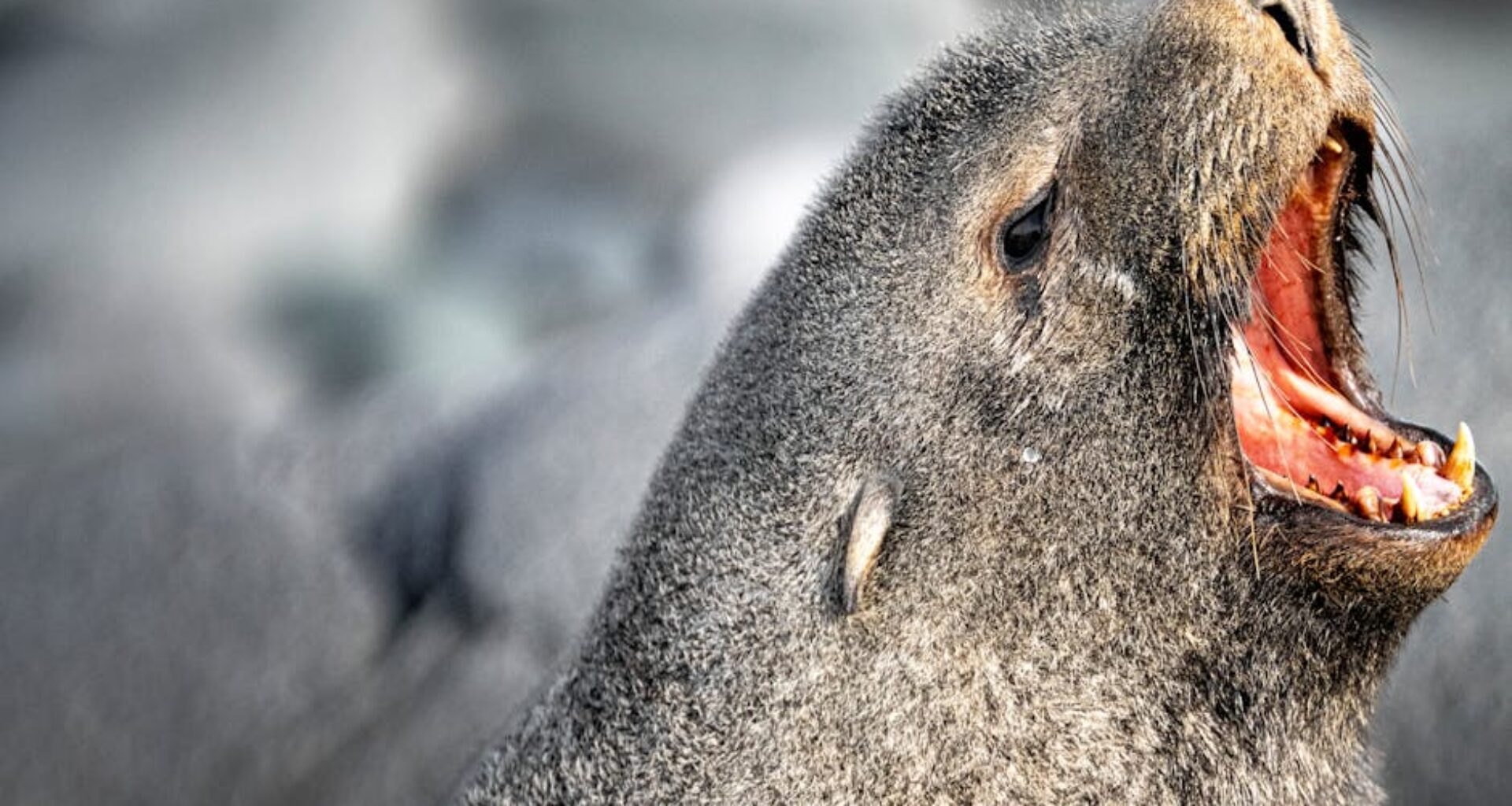
Antarctic fur seals, the smallest of the polar seal species, have recently been reclassified as endangered by the International Union for Conservation of Nature (IUCN) Red List. This update marks a significant shift from their previous status of least concern, last assessed in 2014, signaling mounting threats to their survival largely driven by climate change. These seals inhabit the remote island of South Georgia, relying heavily on Antarctic krill as a primary food source, especially for nourishing their pups.
Scientific studies have documented a worrying decrease in krill populations in the Southern Ocean, attributed to warming sea temperatures and changing ice conditions. Krill are a keystone species in the Antarctic ecosystem, serving as a critical food supply not only for fur seals but also for whales, penguins, and other marine animals. The decline in krill availability directly impacts the growth and survival rates of fur seal pups, undermining population stability.
Experts emphasize that the fur seals’ endangered status reflects broader ecosystem disruptions caused by climate change. Dr. Maria Fernandez, a marine biologist specializing in Antarctic fauna, notes, “The fur seals’ plight is a clear indicator of the cascading effects of oceanic warming on Antarctic food webs. Protecting these seals requires urgent climate action to preserve the entire marine ecosystem.”
Conservationists are calling for enhanced international cooperation to mitigate climate impacts and protect critical habitats in the Southern Ocean. Measures such as establishing marine protected areas, regulating fisheries to prevent krill overharvesting, and aggressively reducing greenhouse gas emissions are seen as essential steps. This development underscores the interconnected challenges within Sustainable Development Goal 13 (Climate Action) and SDG 14 (Life Below Water), highlighting the need for integrated approaches to safeguard vulnerable species and their environments.
As Antarctic fur seals face increasing risks, their status serves as a stark reminder of the tangible consequences of climate change on biodiversity. Continued monitoring and robust conservation strategies will be vital to prevent further declines and promote resilience within polar ecosystems.