UN
UN 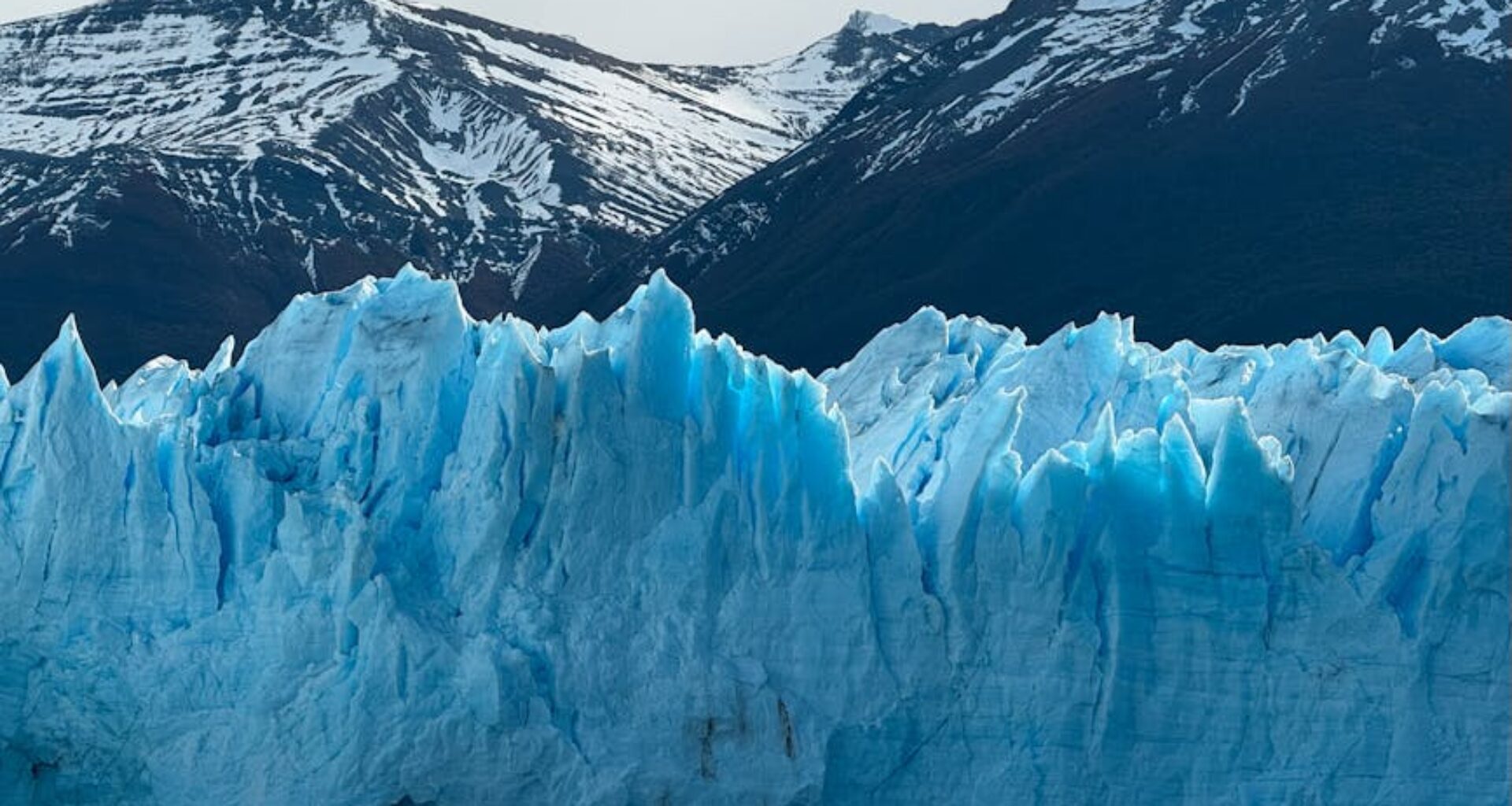
Argentina’s Congress has approved a controversial bill that reduces legal protections for glaciers, aiming to accelerate mining projects for critical metals. The legislation, championed by President Javier Milei and passed with 137 votes in favor against 111 opposing, reflects the administration’s push to stimulate economic growth through natural resource extraction. However, this move has sparked significant backlash from environmentalists and indigenous groups who warn it threatens fragile ecosystems and water security.
Glaciers in Argentina, particularly those in the Andes, serve as vital freshwater sources supporting biodiversity and local communities. The new law eases restrictions that previously limited mining activities near these glaciers, opening the door for expanded exploration and extraction of metals essential for technologies like batteries and electronics. Supporters argue that mining development is crucial for economic recovery and job creation in a country facing financial challenges.
Environmental organizations have pledged to challenge the legislation in courts, highlighting risks including glacier degradation, contamination of water supplies, and disruption of habitats. Scientists caution that glacier retreat is already accelerating due to climate change, and reducing legal safeguards could exacerbate environmental damage. The tension between economic interests and environmental protection underscores the complex trade-offs that Argentina faces in pursuing sustainable development goals.
This legislative change also raises questions about Argentina’s commitment to SDG 6 (Clean Water and Sanitation) and SDG 15 (Life on Land). Ensuring access to clean water and preserving terrestrial ecosystems are integral to sustainable growth and climate resilience. Experts emphasize the need for stringent environmental impact assessments and transparent governance to balance mining activities with conservation objectives.
As legal challenges unfold, Argentina’s approach will be closely watched by the international community, particularly in regions where glaciers play a critical role in hydrological cycles. The outcome could set precedents for other nations grappling with resource extraction amid environmental imperatives and economic pressures.