UN
UN 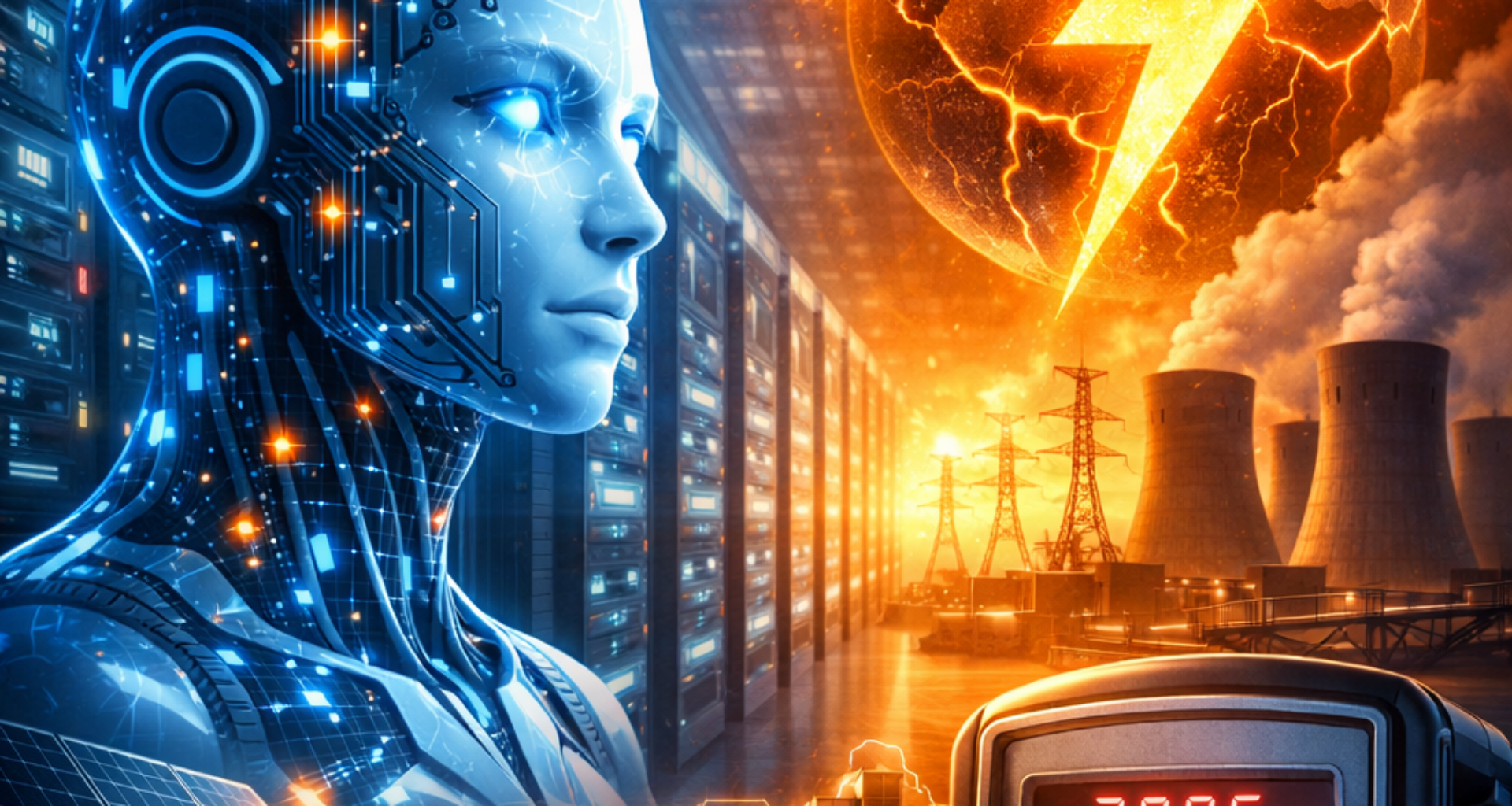
As artificial intelligence technologies continue to evolve rapidly, the infrastructure supporting them—massive data centers—has also expanded dramatically. Large language models, generative AI systems, and advanced analytics platforms require enormous computational power to operate.
This growing demand has triggered a new debate around energy consumption and sustainability in the AI era.
According to international studies, data centers are becoming one of the fastest-growing sources of electricity demand worldwide. Training advanced AI models requires large clusters of high-performance GPUs, which consume significantly more power than traditional computing systems.
Experts suggest that by 2030, data centers could account for a substantial share of global electricity consumption if current trends continue.
However, technology companies and researchers are already working on solutions.
More Efficient AI Models
New optimization techniques allow AI systems to achieve similar performance using fewer computational resources. Methods such as model compression, optimized training pipelines, and smaller AI architectures can significantly reduce energy usage.
Renewable-Powered Data Centers
Major technology companies are investing heavily in renewable energy projects to power their data centers. Solar and wind energy, combined with large-scale battery storage, are helping reduce the carbon footprint of AI infrastructure.
Advanced Cooling Technologies
Cooling systems account for a significant share of data center energy consumption. New approaches—including liquid cooling, natural cooling environments, and energy-efficient facility designs—are helping improve efficiency.
Edge AI and Distributed Computing
Running AI models directly on devices, rather than sending all computations to centralized data centers, may reduce both energy use and network demand.
Conclusion
Artificial intelligence has the potential to transform industries and accelerate innovation, but it also raises important sustainability questions. With advances in energy-efficient computing, renewable energy integration, and smarter infrastructure design, AI could evolve into a key part of the global sustainability transition rather than a threat to it.
International Energy Agency (IEA)
https://www.iea.org/reports/electricity-2024
Nature – AI Energy Consumption Research
https://www.nature.com/articles/d41586-024-00478-x
MIT Technology Review – AI and Energy Demand
https://www.technologyreview.com
Goldman Sachs AI Power Demand Report
https://www.goldmansachs.com/insights/articles/ai-power-demand
International Energy Agency – Data Centres
https://www.iea.org/reports/data-centres-and-data-transmission-networks