UN
UN 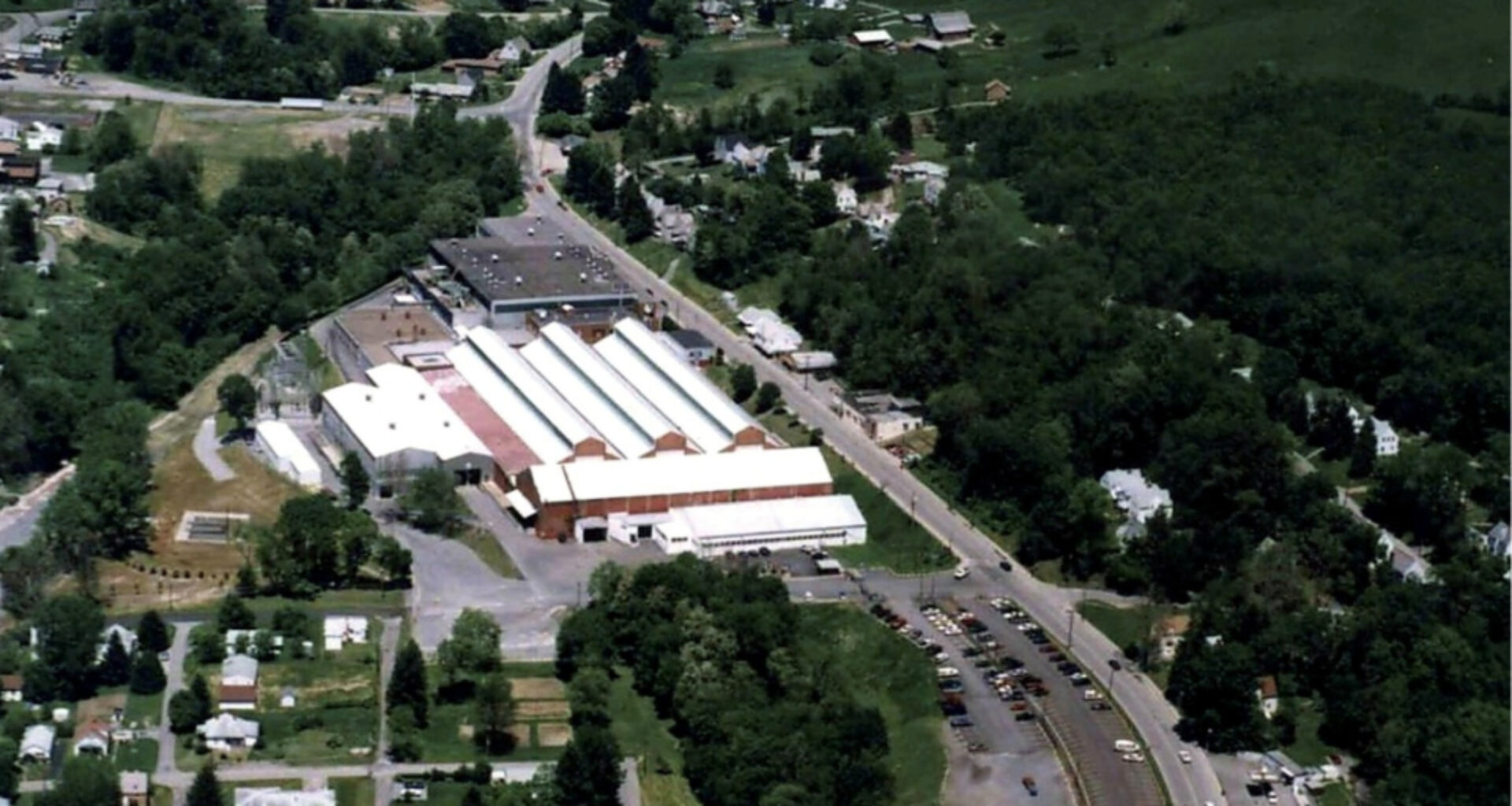
Key Point
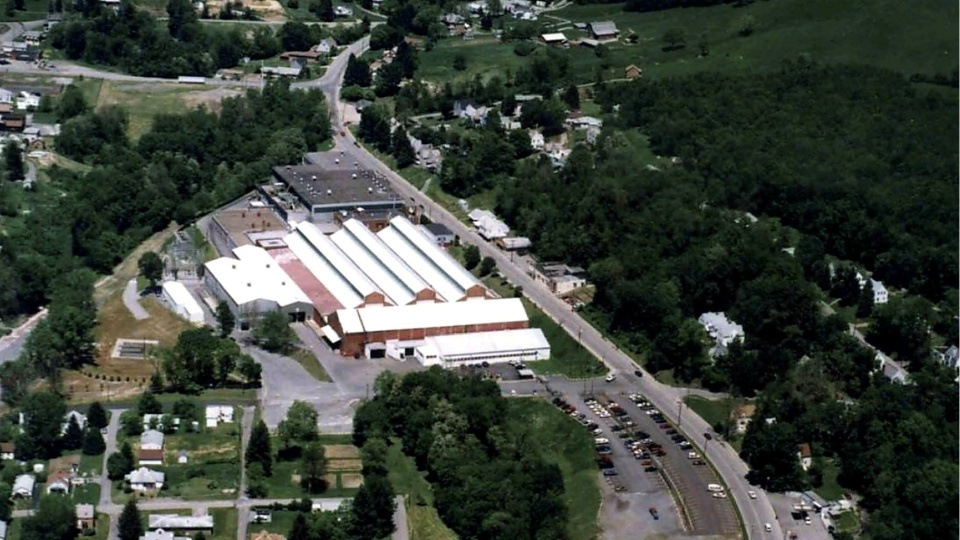
Assan Aluminum’s purchase of a foil manufacturing plant in Fairmont, West Virginia, is not only a sign of international growth. It also reflects a broader industrial shift toward producing closer to the customer, shortening supply lines where possible, and building a business model that can hold together when trade routes, shipping costs and policy conditions become less predictable.
There is a practical kindness in that logic, even in a hard-edged business decision. Supply chains are often discussed in the language of margins and throughput, but they are also about people: workers trying to keep factories running, communities depending on stable production, and customers living with the consequences when systems break down. A more resilient industrial footprint can be more than efficient. It can be more dependable.
Why It Matters
From a sustainability perspective, the deal matters because industrial resilience and environmental performance are becoming harder to separate. Producing nearer to demand can reduce some transport intensity, increase flexibility and make operations less vulnerable to shocks. That does not automatically make a facility low-carbon, and local production should not be romanticized without looking at its energy mix and material efficiency. But it does change the risk model.
This is part of a wider pattern in manufacturing. Companies increasingly want to be present inside their strategic markets rather than serving them only from afar. In a world shaped by disruption, that can mean fewer fragile links, faster adjustment and a better chance of keeping production steady when conditions turn difficult.
Evidence and Sources
Bloomberg HT reported on April 1, 2026 that Assan Aluminum completed the purchase of an aluminum foil production plant in Fairmont, West Virginia. The transaction was carried out via Kibar Americas and the asset was acquired from Novelis. Company executives described the move as part of a broader international growth strategy and said the plant would support production across segments including automotive, HVAC, food-related applications and industrial foil.
The sustainability case still depends on details that are not yet fully visible in the announcement, including plant upgrades, energy sourcing and long-term operating intensity. But the strategic meaning is already clear: this is a bet on being closer, steadier and more embedded in the market the company wants to serve.
What Happens Next
The next real test is not the acquisition headline itself but what the company does with the asset. If the plant is modernized thoughtfully and integrated into a more efficient operating model, the deal could become an example of how industrial expansion and resilience planning can move together. If not, it will remain just another cross-border transaction. The difference will be measured in operations, not in announcements.
Sources
- Bloomberg HT, April 1, 2026: Assan Aluminum’s completion of the Fairmont, West Virginia foil plant acquisition