UN
UN 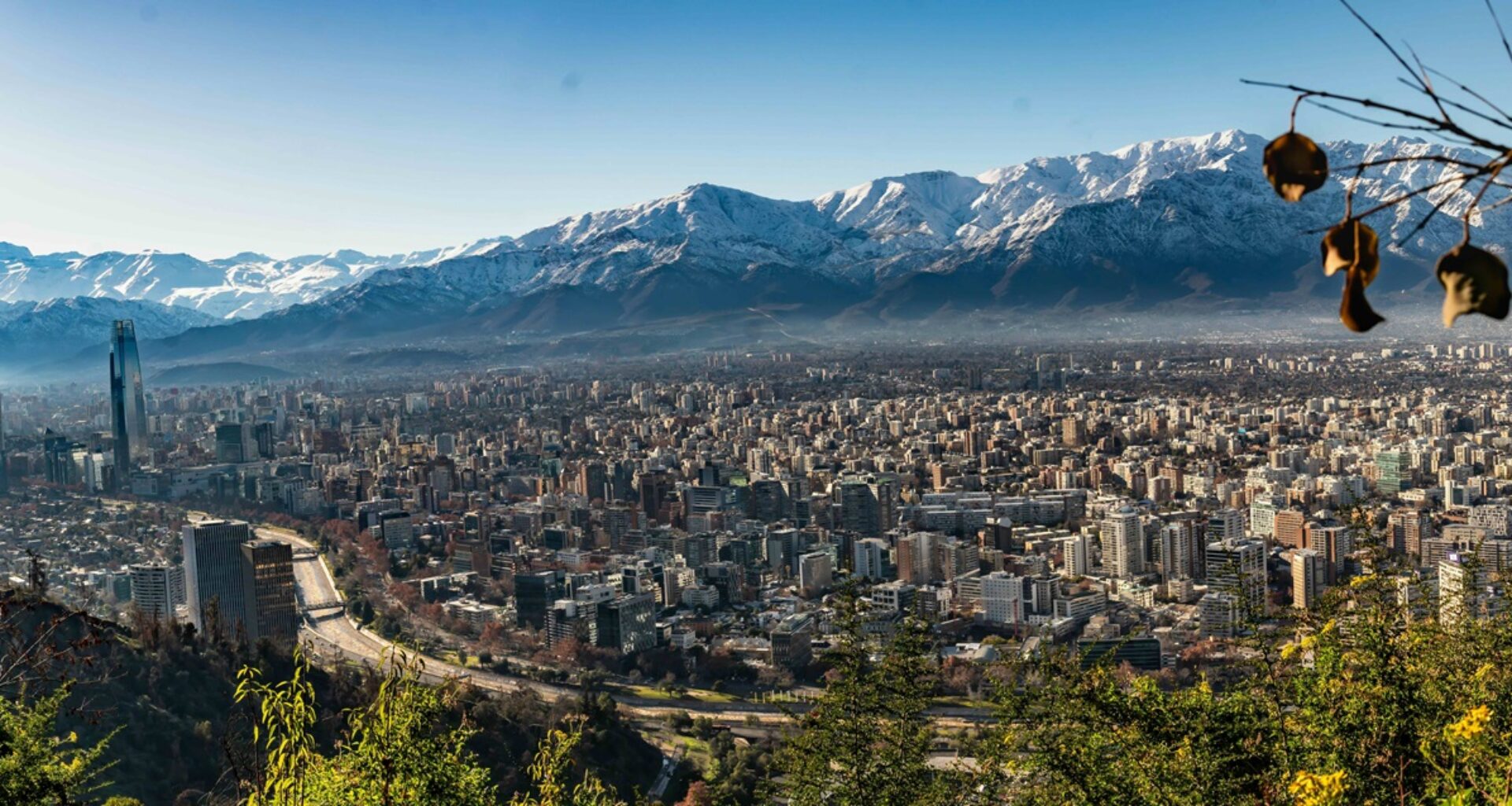
Featured photo: Mauricio Farias/Unsplash via WHO.
Clean air is being reframed as a rights issue
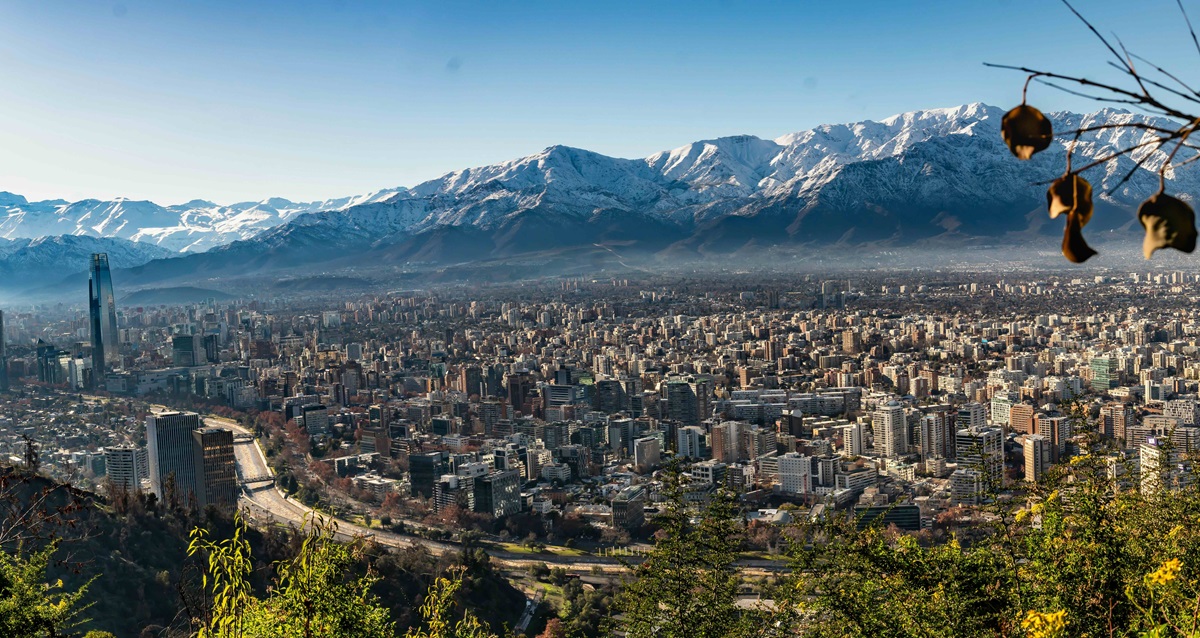
On 27 February 2026, the World Health Organization said a new Santiago de Chile Declaration was calling for urgent, coordinated action on air pollution and environmental justice across Latin America and the Caribbean. That may sound like standard multilateral language, but the framing is more important than it first appears.
The declaration places clean air alongside health equity and treats it as a basic human right rather than only a technical emissions problem. That is a meaningful shift because it changes the center of gravity of the issue. Air quality is no longer being discussed only through regulation, fuel standards, or industrial compliance. It is being linked directly to who gets sick, who is left exposed, who has access to data, and whose neighborhoods carry the heaviest environmental burden.
The health burden still justifies a harder policy line
WHO’s air pollution fact sheet makes clear why this reframing matters. In 2019, 99% of the world’s population lived in places where WHO air quality guideline levels were not met. Ambient outdoor air pollution was estimated to cause 4.2 million premature deaths worldwide in that year alone, while the combined effects of ambient and household air pollution were associated with 6.7 million premature deaths annually. WHO also says 89% of those premature deaths occurred in low- and middle-income countries.
Those numbers explain why clean air policy is increasingly moving out of the environmental margin and into mainstream health policy. Air pollution is not only about emissions inventories. It is a driver of cardiovascular disease, stroke, respiratory illness, acute lower respiratory infections, and cancers. Once that burden is treated as a health systems issue, governments have a harder time treating pollution as a secondary externality.
Latin America is trying to connect science, justice, and regional action
The Santiago Declaration emerged from the Latin American Conference on Air Quality and Health in Chile and builds on momentum from the second WHO Global Conference on Air Pollution and Health. According to WHO, the declaration calls for stronger monitoring, evidence-based and participatory decision-making, and the integration of environmental health into primary health care. It also pushes for greater transparency and access to environmental and health data, and for a Latin American Network on Air Quality and Health linking experts, civil society, academia, and policymakers.
That combination matters because environmental justice problems are often data problems as well as pollution problems. Communities that are most exposed may also be the least visible inside formal monitoring systems. WHO’s framing suggests that better governance depends not only on cleaner energy and transport but also on who gets counted, who gets heard, and whether public institutions can show where harm is concentrated.
The declaration also calls for specific attention to high-altitude Andean cities, where geographic and atmospheric conditions can intensify health risks. That is a reminder that the region’s air quality challenge is not uniform. It is shaped by altitude, transport patterns, urban growth, industrial activity, and energy access.
A regional action plan gives the declaration more weight
WHO says PAHO and health ministries across the Americas have already made significant progress on a Regional Action Plan on Air Quality and Health for Latin America and the Caribbean for 2026-2031. The plan aims to strengthen health-sector leadership, improve monitoring and data systems, advance integrated policy, expand communication and participation, and secure more durable financing and regional cooperation.
That makes the Santiago Declaration more than a symbolic statement. It starts to look like a political wrapper for a broader institutional push. WHO also ties the regional effort to its voluntary target of reducing mortality attributable to anthropogenic air pollution by 50% by 2040, compared with 2015 levels. The scale of that goal suggests the region is moving from general concern to measurable implementation.
What happens next
The real test is whether ministries of health, environment, transport, energy, and urban development can act on the declaration as a shared agenda instead of leaving it inside one policy silo. Cleaner buses, cleaner power, stronger waste management, better monitoring, and more transparent local data all shape whether air quality improves in practice.
If Latin America can turn clean air into a rights-based public health agenda with real financing and enforcement behind it, the region could become a model for how climate, health, and justice policy can converge. If it cannot, the declaration will join a long list of statements that described the problem accurately but changed too little on the ground.
Sources
- WHO, Santiago de Chile Declaration launched to advance clean air and environmental justice in Latin America
- WHO, Ambient (outdoor) air pollution