


 UN
UN 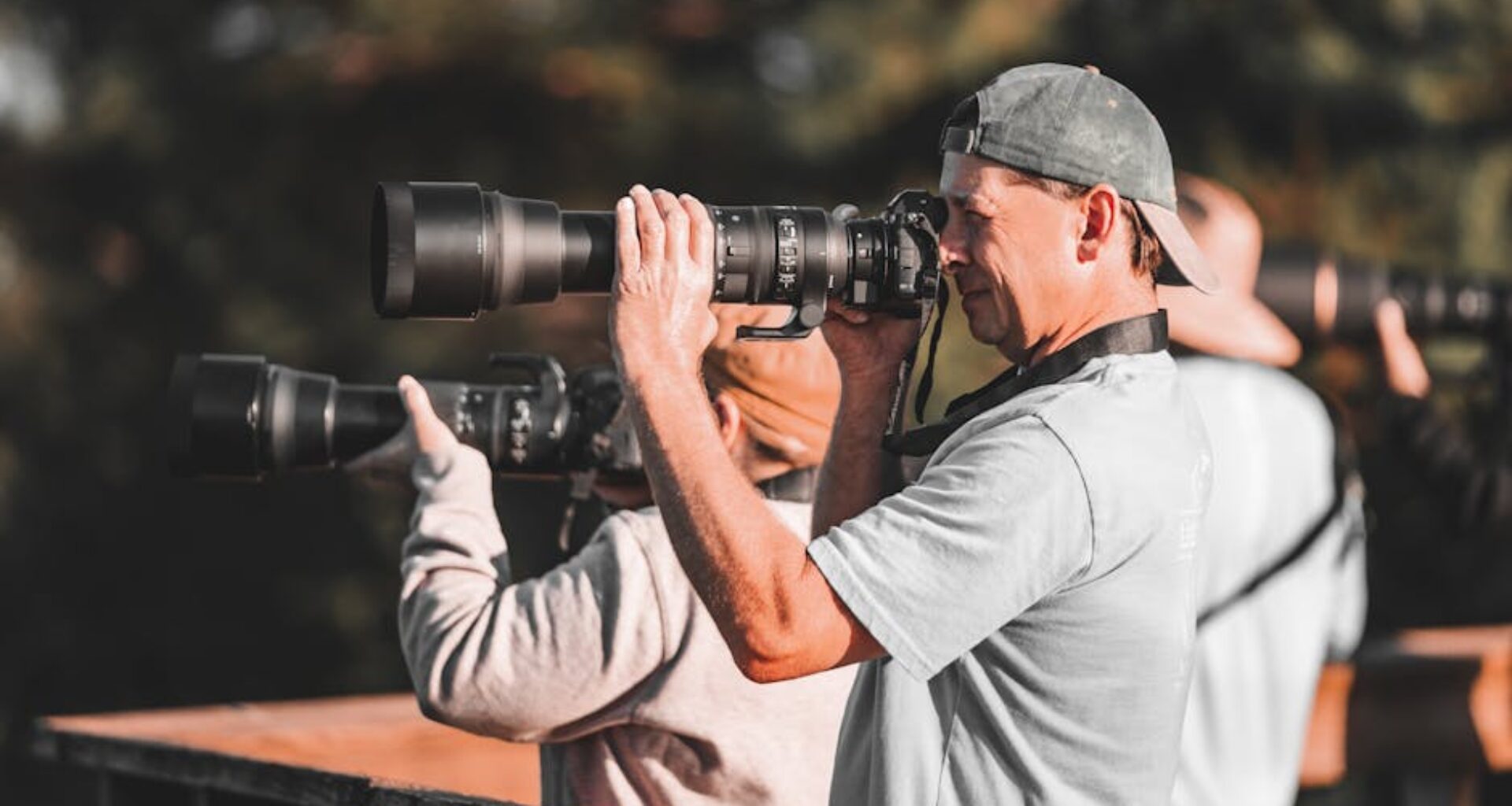
Doug Allan, a renowned wildlife cameraman, has spent decades filming animals in some of the planet’s most extreme and fragile environments. His work offers rare glimpses into the intimate lives of polar bears, seals, and orcas, often revealing moments that appear startlingly close on screen — a polar bear’s breath fogging a camera lens or the watchful eye of a seal. These images are not mere artistic illusions but the result of immense patience, meticulous judgment, and profound respect for the natural world.
Filming in polar regions and icy waters presents extraordinary challenges. Temperatures plunge well below freezing, weather conditions shift unpredictably, and wildlife movements can be elusive. Allan’s approach emphasizes minimal disturbance, ensuring that the presence of the camera does not alter animal behavior or habitat. This ethical commitment aligns closely with global efforts to promote biodiversity and protect vulnerable ecosystems, as outlined in Sustainable Development Goal 15 (Life on Land) and Goal 14 (Life Below Water).
Beyond the breathtaking visuals, Allan’s footage serves a crucial role in raising awareness about the impacts of climate change on these delicate ecosystems. Melting sea ice threatens the survival of species like orcas and polar bears, while shifting habitats challenge the resilience of entire food webs. By bringing these realities to global audiences, Allan’s work underscores the urgency of climate action (SDG 13) and the need for international cooperation to safeguard biodiversity.
Experts in conservation and sustainability praise Allan’s contributions for bridging science and storytelling. His films do more than document; they inspire empathy and motivate action. As governments and organizations push for stronger environmental policies, visual narratives like Allan’s remind us that protecting wildlife and their habitats is not only a moral imperative but essential for the planet’s health and humanity’s future.
In an era marked by rapid environmental change, Doug Allan’s camera remains a vital tool for education and advocacy. His patient lens captures the resilience and vulnerability of life in extreme environments, offering hope and a compelling call to preserve the natural wonders that sustain us all.