



 UN
UN 
The rapid rise of artificial intelligence is not only transforming the technology sector but also reshaping global energy strategies. One of the most talked-about developments in Europe this week is France’s plan to power future AI data centers with nuclear energy.
French President Emmanuel Macron announced that France intends to leverage its strong nuclear power infrastructure to support the growing energy demand of artificial intelligence systems. As AI models become more complex and data centers expand, electricity consumption has become one of the biggest challenges facing the industry.
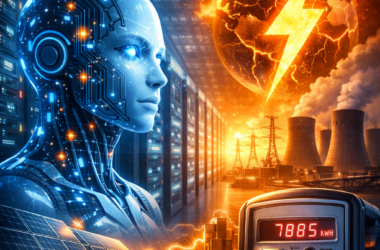
Large-scale data centers that run advanced AI models require enormous computational power. Experts estimate that some facilities can consume as much electricity as a small city. Governments and technology companies are therefore searching for reliable and low-carbon energy sources to sustain this growth.
France believes nuclear energy could offer a solution. The country already produces a significant portion of its electricity from nuclear power plants, which generate energy with relatively low carbon emissions compared to fossil fuels. By using this infrastructure, France hopes to support the expansion of AI technologies while maintaining its climate commitments.
However, the proposal has also sparked debate. Environmental groups warn that the rapid expansion of data centers could significantly increase overall energy demand. Others argue that nuclear energy—because of its stable and low-carbon characteristics—may actually be one of the most practical options for powering the digital economy.
Beyond France, the decision highlights a broader global challenge: how to balance the explosive growth of artificial intelligence with sustainability goals. As the United States and China accelerate their AI investments, Europe is increasingly focused on building its own technological infrastructure.
France’s strategy could therefore become a key example of how advanced technology and energy policy may intersect in the coming years. The question now facing policymakers is clear: how can the digital future be powered without compromising climate targets?