UN
UN 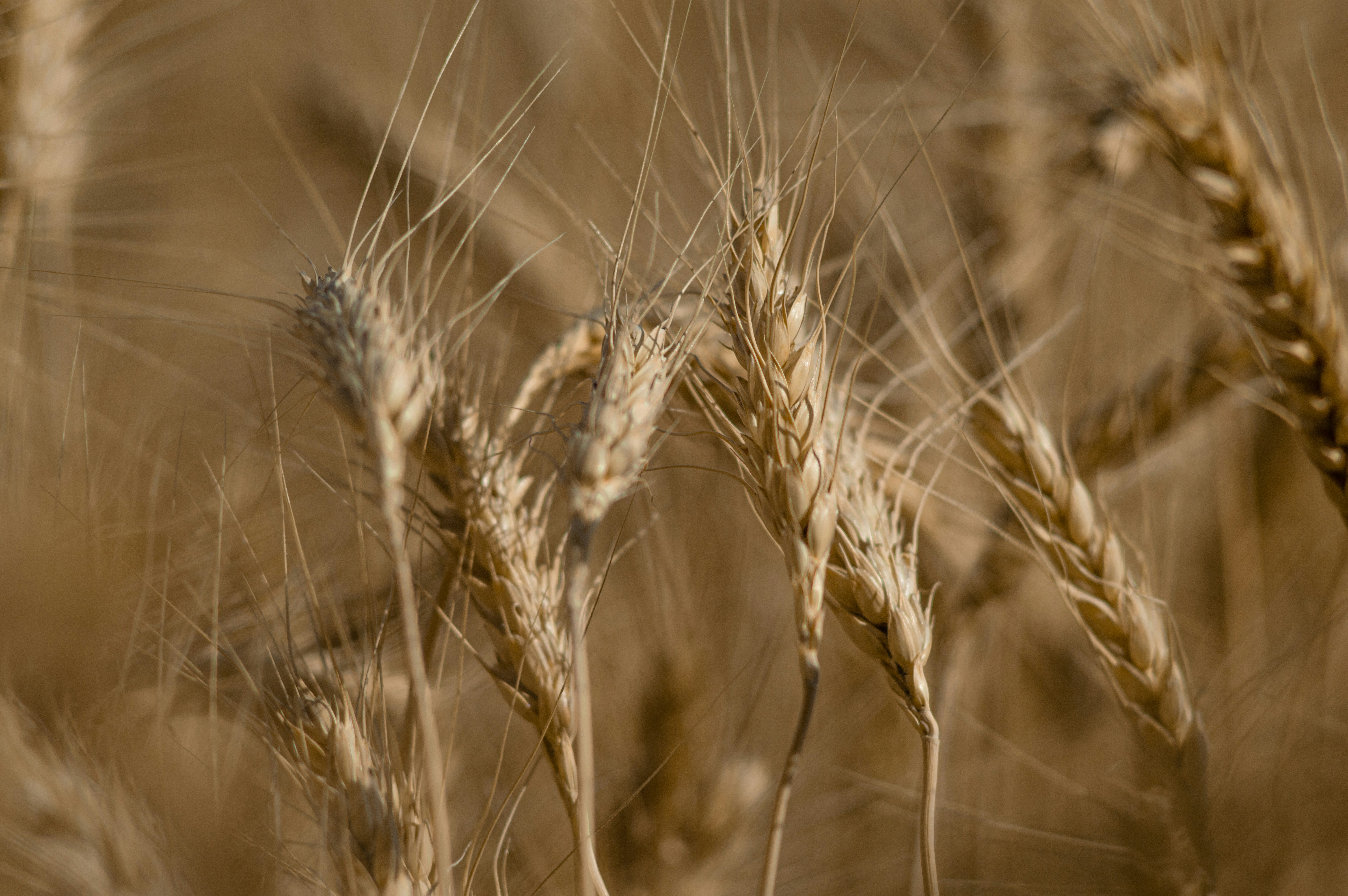
(SDGTALKING) – The University of Essex in the UK is conducting groundbreaking research into the effects of climate change on agriculture. The university has developed a specially designed “drought chamber” to measure how staple grains such as wheat and barley respond to drought and heat stress.
A Controlled Micro World
In this new research facility, light, temperature, and humidity conditions can be precisely adjusted. Researchers observe the development processes of grains by recreating climate scenarios from different regions in a laboratory setting.
- The root development, leaf productivity, and water consumption of wheat and barley are monitored.
- They are determining which genetic lines are more resistant to water stress.
- The goal is to select varieties that consume less water during drought periods but still yield high productivity.
Adaptation to Climate Change
Global warming is expected to increase drought and extreme heat events. This poses a serious risk to grain production. The project in Essex provides a scientific basis for developing agricultural adaptation strategies suitable for future climate conditions.
Project managers note that such research will enable farmers to use more resilient seeds and agricultural techniques against the climate crisis.
Critical Measures for Global Food Security
This work concerns not only the UK but also food security worldwide. The Food and Agriculture Organization of the United Nations (FAO) emphasizes that grain production will be one of the sectors most affected by climate change in the coming decades.
Developing more resilient varieties of wheat, barley, and corn could reduce the risk of hunger, particularly in African, Middle Eastern, and Asian countries with high drought risk.
From Science to Field: Application Potential
Researchers aim to ensure that the findings obtained in the drought chamber are not limited to academic articles.
- Field trials will be conducted on the developed seeds.
- They are planned to be integrated with sustainable irrigation methods and precision farming technologies.
- Agricultural policies and support mechanisms can be shaped in light of these scientific data.
The Key to Sustainable Agriculture
According to experts, such projects are important not only for increasing yields but also for conserving water resources and reducing environmental impacts. The seeds developed using the drought chamber will be able to produce more with less water, thereby reducing agriculture’s water footprint.