

 UN
UN 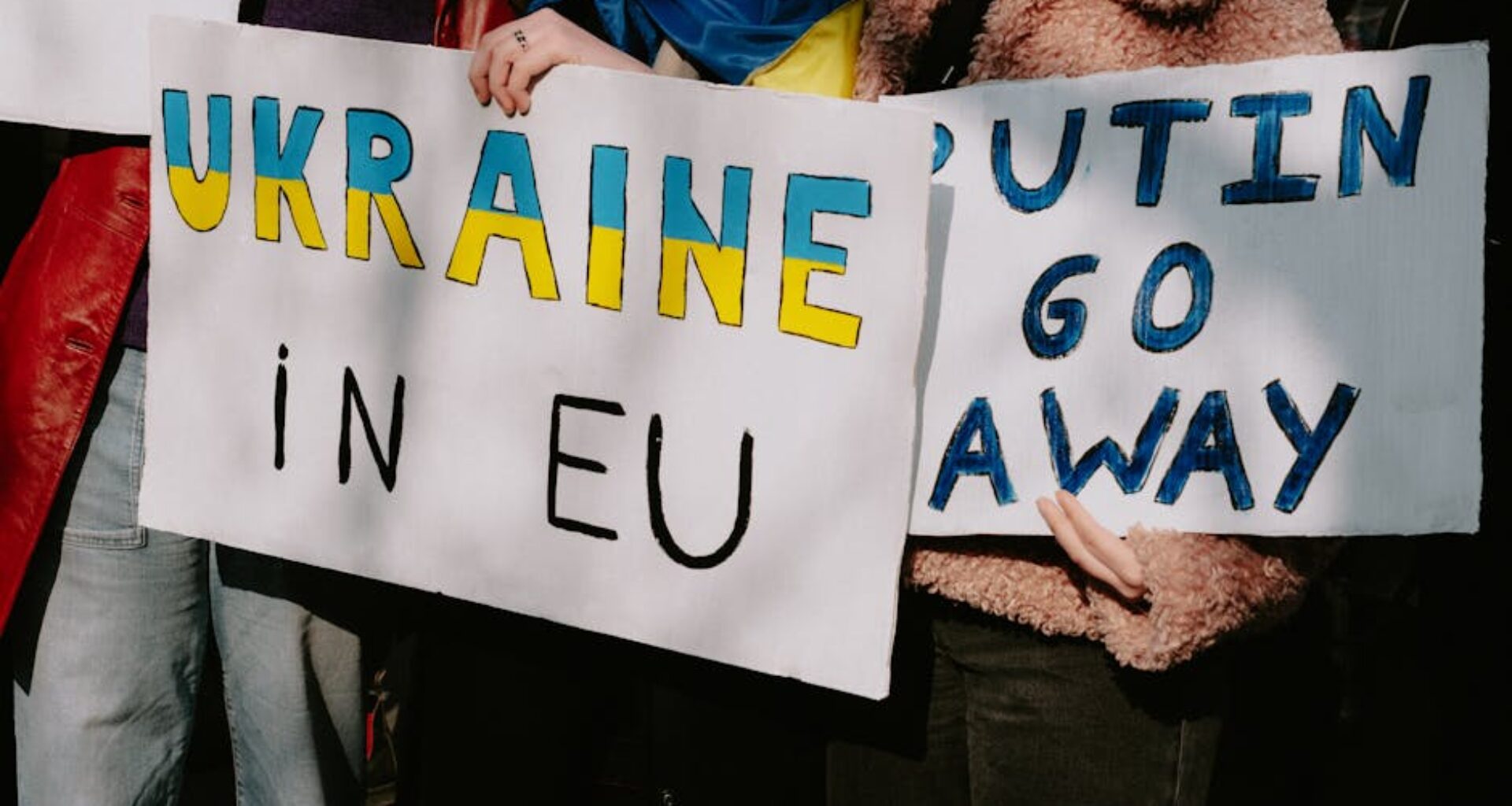
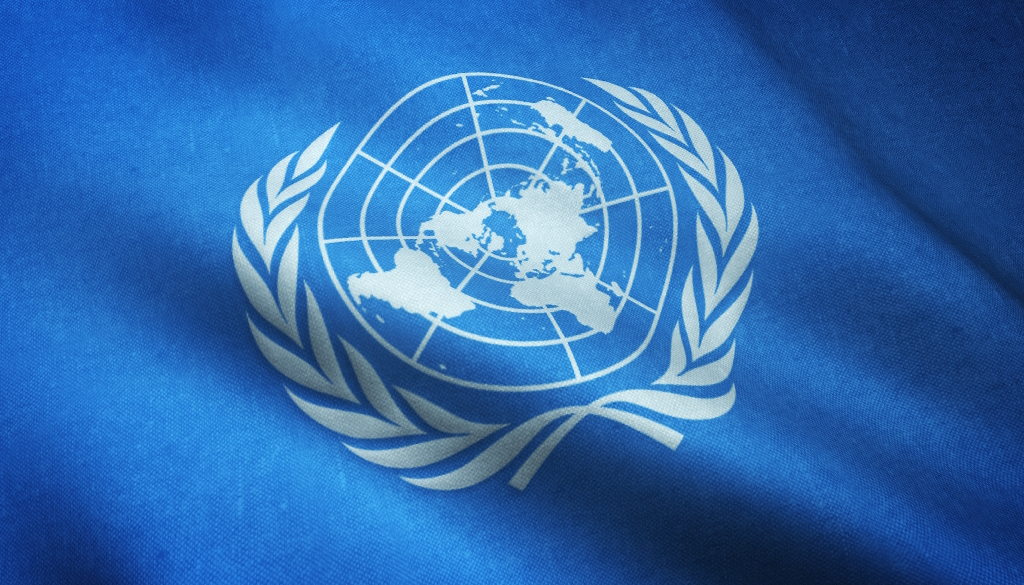
The 2023 United Nations General Assembly, intended to spotlight the pressing social and economic challenges facing the Global South, has been overshadowed by deepening divisions stemming from the ongoing conflict in Ukraine. This year’s summit was expected to refocus international attention on issues such as poverty reduction, infrastructure development, and equitable growth within the world’s poorer nations. However, the geopolitical rifts between Western nations and Russia continue to dominate discussions, complicating efforts to advance the Sustainable Development Goals (SDGs) agenda.
The Group of 77 (G77), representing over 130 developing countries, had hoped to reclaim the narrative after last year’s assembly was largely preoccupied with the fallout from Russia’s invasion of Ukraine. Many members of the G77 argue that their development priorities have been marginalized amid the heightened focus on security and geopolitical alignments. This tension reveals a growing challenge for the UN: balancing urgent global security concerns with the long-term development needs of vulnerable populations.
Western powers, including the United States and European Union members, recognize that maintaining broad support within the UN for their stance against Moscow requires addressing the development priorities of the G77 more substantively. Yet, disagreements persist over framing and resource allocation, with some developing countries wary of being drawn into geopolitical conflicts that detract from their economic and social advancement.
Experts warn that these divisions threaten to stall crucial progress on the SDGs. “When geopolitical disputes eclipse development dialogues, the most vulnerable countries bear the brunt,” said Dr. Amina Hassan, a development policy analyst. “The UN must navigate these tensions carefully to ensure that the crises of the Global South remain at the forefront, especially as the world faces interconnected challenges such as poverty, inequality, and climate change.”
As the summit proceeds, it remains to be seen whether the UN can bridge these divides to foster a unified approach to sustainable development. The stakes are high, as failure to do so risks prolonging the very inequalities and crises the SDGs aim to eradicate.