


 UN
UN 
One month into the escalating conflict involving the United States, Israel, and Iran, the international community faces mounting challenges linked to global energy security. The war has disrupted critical oil and gas supplies, triggering a ripple effect across international markets and prompting diverse responses from at least 60 nations worldwide. This situation has underscored the vulnerabilities inherent in the global energy system and raised pressing questions about the resilience and sustainability of current energy frameworks.
Countries have adopted varied strategies to mitigate the impact of the crisis. Many energy-importing nations have accelerated efforts to diversify their energy sources, seeking alternatives to traditional fossil fuels to reduce dependence on volatile regions. Some have turned to increased imports from stable suppliers, while others have ramped up domestic production or invested in strategic reserves. These measures reflect a growing recognition of the need to bolster energy security as a fundamental component of national stability and economic resilience.
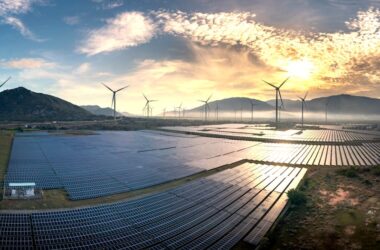
The conflict also spotlights the critical importance of transitioning to clean and renewable energy. Experts argue that reliance on fossil fuels not only exacerbates geopolitical tensions but also hinders progress toward the Sustainable Development Goals, particularly SDG 7 (Affordable and Clean Energy) and SDG 13 (Climate Action). “This crisis is a stark reminder that energy diversification and decarbonization are not merely environmental imperatives but essential for global peace and security,” says Dr. Leila Hassan, an energy policy analyst.
International organizations and partnerships have called for coordinated responses to stabilize markets and support vulnerable nations disproportionately affected by rising energy costs. The situation has catalyzed discussions on accelerating energy transitions, enhancing energy efficiency, and investing in resilient infrastructure. While immediate relief measures are necessary, the broader lesson emphasizes the urgency of sustainable energy policies to mitigate future crises.
As the conflict continues, the global community’s response will be a crucial test of multilateral cooperation and commitment to sustainable development. Ensuring energy access while advancing climate goals remains a delicate balance requiring innovation, diplomacy, and collective action.