UN
UN 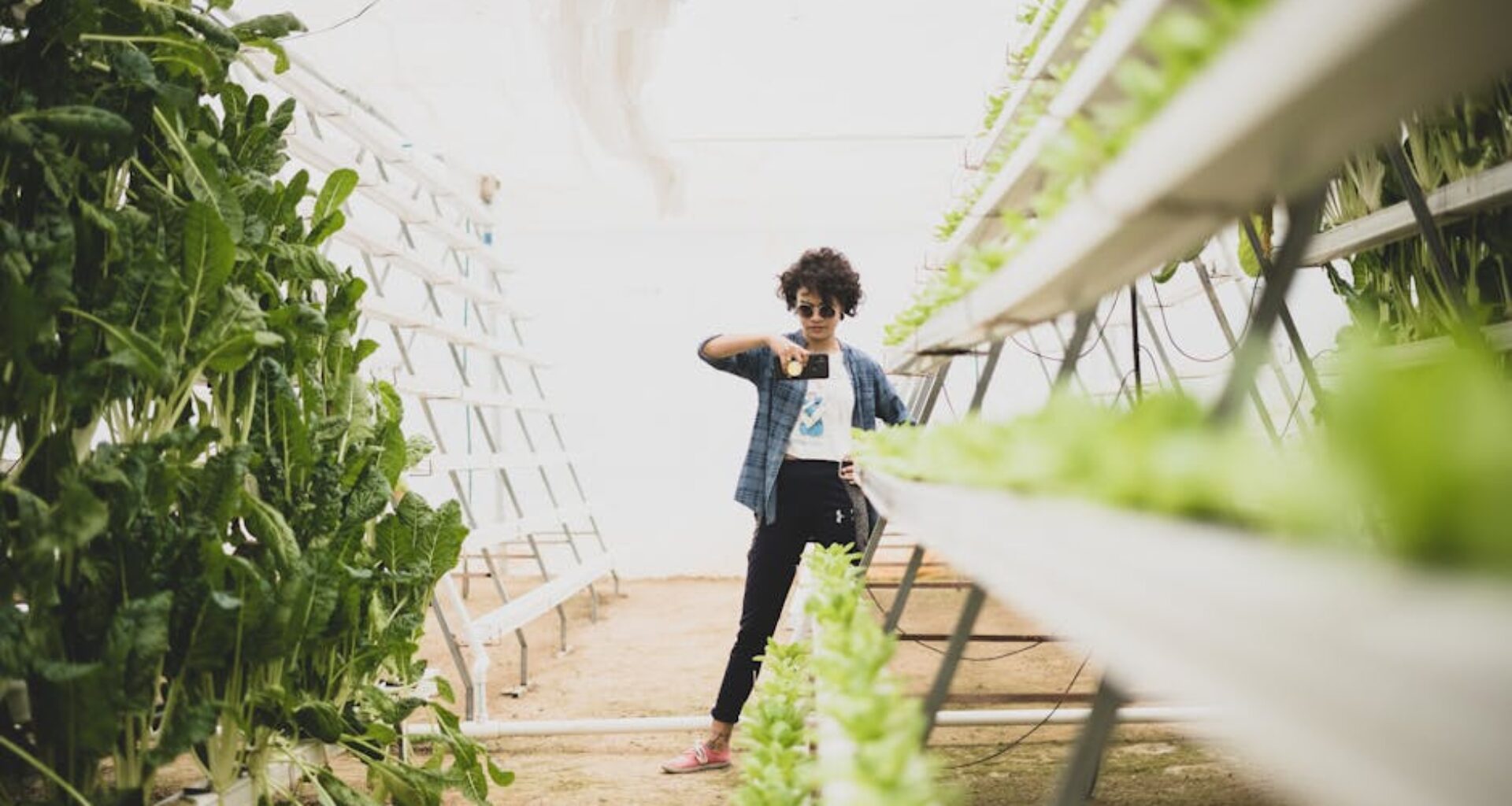
Emerging urban agriculture initiatives are gaining traction as effective tools to enhance food security in low-income urban communities across multiple continents. These projects integrate vertical farming, hydroponics, and community gardens to produce fresh, nutritious food locally, reducing reliance on long supply chains.
In cities like Nairobi, Dhaka, and Buenos Aires, local governments and NGOs have partnered to support small-scale farmers with training and access to sustainable farming technologies. These efforts contribute directly to SDG 2 (Zero Hunger) and SDG 11 (Sustainable Cities and Communities) by addressing malnutrition and urban food deserts.
Research indicates that urban farming not only improves dietary diversity but also creates employment opportunities and fosters social cohesion. However, challenges such as land tenure issues, water scarcity, and financing remain barriers to scaling these initiatives.
Stakeholders emphasize the need for integrated urban planning policies that prioritize green spaces and support sustainable food systems to build resilient cities.