UN
UN 
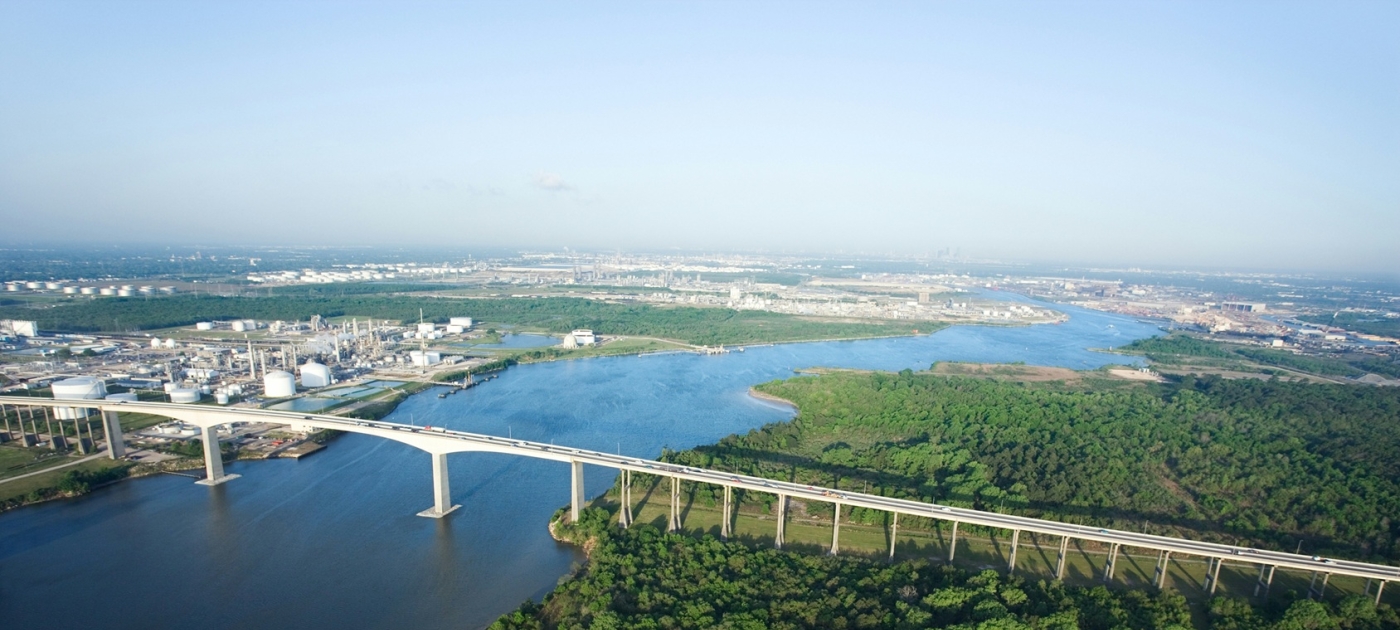
Featured image: Getty Images/Unsplash+ via UNEP.
Follow the money
On 22 January 2026, the UN Environment Programme released its State of Finance for Nature 2026 report with a blunt headline: for every USD 1 the world invests in protecting nature, it spends USD 30 destroying it. The numbers behind that ratio are what make the story hard to dismiss. UNEP says global nature-negative finance flows reached USD 7.3 trillion in 2023.
Of that total, USD 4.9 trillion came from private sources concentrated in sectors such as utilities, industrials, energy, and basic materials. Publicly backed harmful subsidies added another USD 2.4 trillion across fossil fuels, agriculture, water, transport, and construction. That is a scale problem, not a messaging problem.
Nature-based solutions are still badly underfunded
By comparison, UNEP says finance flows into nature-based solutions reached only USD 220 billion. Nearly 90 percent of that came from public sources. Private finance accounted for just USD 23.4 billion, or about 10 percent of total investment in nature-based solutions.
That gap matters because nature-based solutions are increasingly treated as economic infrastructure, not optional green spending. Urban tree cover can reduce heat stress. Wetlands and restored watersheds can lower flood and water treatment risk. Mangroves and coastal ecosystems can reduce storm damage. If those systems remain underfunded, the bill shows up somewhere else – in insurance losses, disrupted supply chains, food volatility, and public health costs.
The target is not unreachable, but capital is misaligned
UNEP says annual investment in nature-based solutions needs to rise 2.5 times to USD 571 billion by 2030. Framed another way, that is only about 0.5 percent of global GDP in 2024. The report’s argument is not that the money does not exist. It is that current incentives still reward environmental damage much more aggressively than environmental repair.
That is why the report introduces what it calls a Nature Transition X-Curve: a framework for phasing out harmful subsidies and destructive investment while scaling up high-integrity nature-positive finance. UNEP points to practical applications already underway, including greener cities to reduce heat-island effects, embedding nature into road and energy infrastructure, and producing emissions-negative building materials using carbon dioxide.
This is now a competitiveness story
The important shift is political and financial. Nature loss is no longer only a conservation issue. It is becoming a competitiveness issue for countries and companies exposed to water stress, land degradation, climate risk, and biodiversity-related supply shocks. Businesses may say they understand nature dependencies, but UNEP’s figures suggest most capital markets still price destruction as normal and restoration as marginal.
That imbalance will become harder to defend as adaptation costs rise and governments search for cheaper ways to reduce risk. Financing nature is not a charitable add-on to the economy. UNEP is effectively arguing that it is part of how a functional economy protects itself.
What happens next
The test now is whether policymakers will do the more difficult part: redesign subsidies, regulation, disclosure, and procurement so that nature-positive investment stops being the exception. If they do not, the world will keep paying for environmental damage several times over – first through destructive finance, then through climate losses, and finally through expensive attempts to restore what was allowed to degrade.
Sources
- UNEP, Harmful investments outpace nature protection by 30 to 1 – new UNEP report