UN
UN 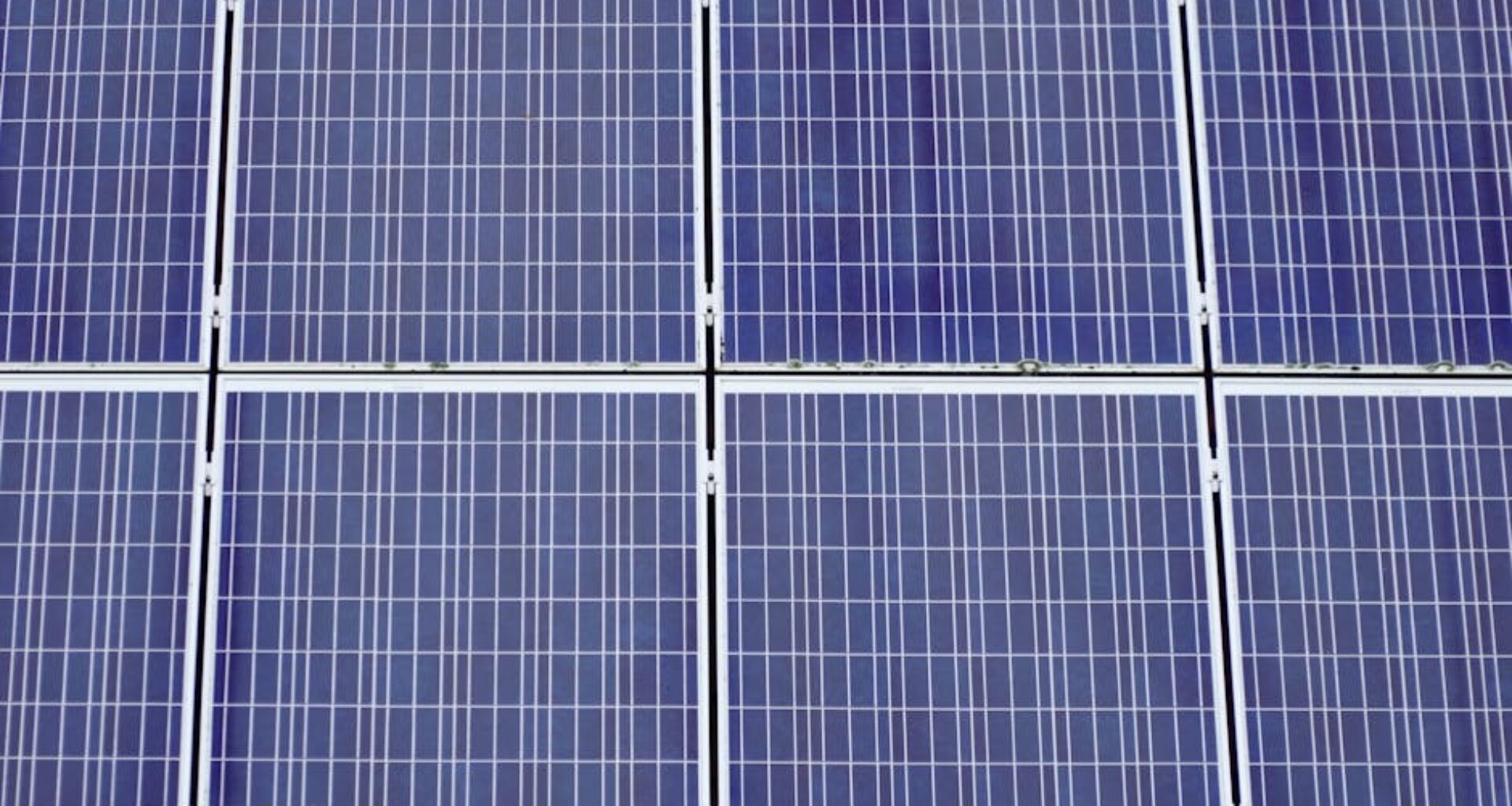
As global oil prices soar and electricity supply becomes increasingly unreliable, Nigerian households and businesses are turning to solar energy as a sustainable alternative to traditional fuel-powered generators. The country has long struggled with frequent power outages, forcing many to rely on diesel or petrol generators for backup electricity. However, the recent spike in fuel costs—exacerbated by global market shocks—has made generator use prohibitively expensive for many, prompting a shift toward solar solutions.
Solar power systems, once considered a costly investment, are now gaining traction due to declining technology prices and growing awareness of their long-term economic and environmental benefits. Nigerians are increasingly installing rooftop solar panels and battery storage systems to secure consistent energy access while reducing dependence on fossil fuels. This transition aligns with Nigeria’s broader commitments under the United Nations Sustainable Development Goals, particularly SDG 7, which aims to ensure access to affordable, reliable, sustainable, and modern energy for all.
Experts note that expanding solar adoption in Nigeria not only mitigates the financial strain caused by fuel price volatility but also addresses critical environmental challenges. The country is Africa’s largest oil producer, yet its electricity grid remains underdeveloped and heavily reliant on fossil fuels, contributing to greenhouse gas emissions and air pollution. By investing in decentralized solar power, communities can improve energy resilience and reduce carbon footprints simultaneously.
Despite the positive trends, barriers remain, including limited financing options, regulatory hurdles, and the need for enhanced technical capacity. Policymakers and development partners are urged to support frameworks that promote solar technology deployment, such as subsidies, tax incentives, and public-private partnerships. These measures could accelerate Nigeria’s energy transition, improve quality of life, and contribute to global climate goals.
As Nigerians increasingly bet on solar energy, their experience underscores the critical role of clean energy innovation in building sustainable, equitable energy systems amid global economic and environmental uncertainties.