



 UN
UN 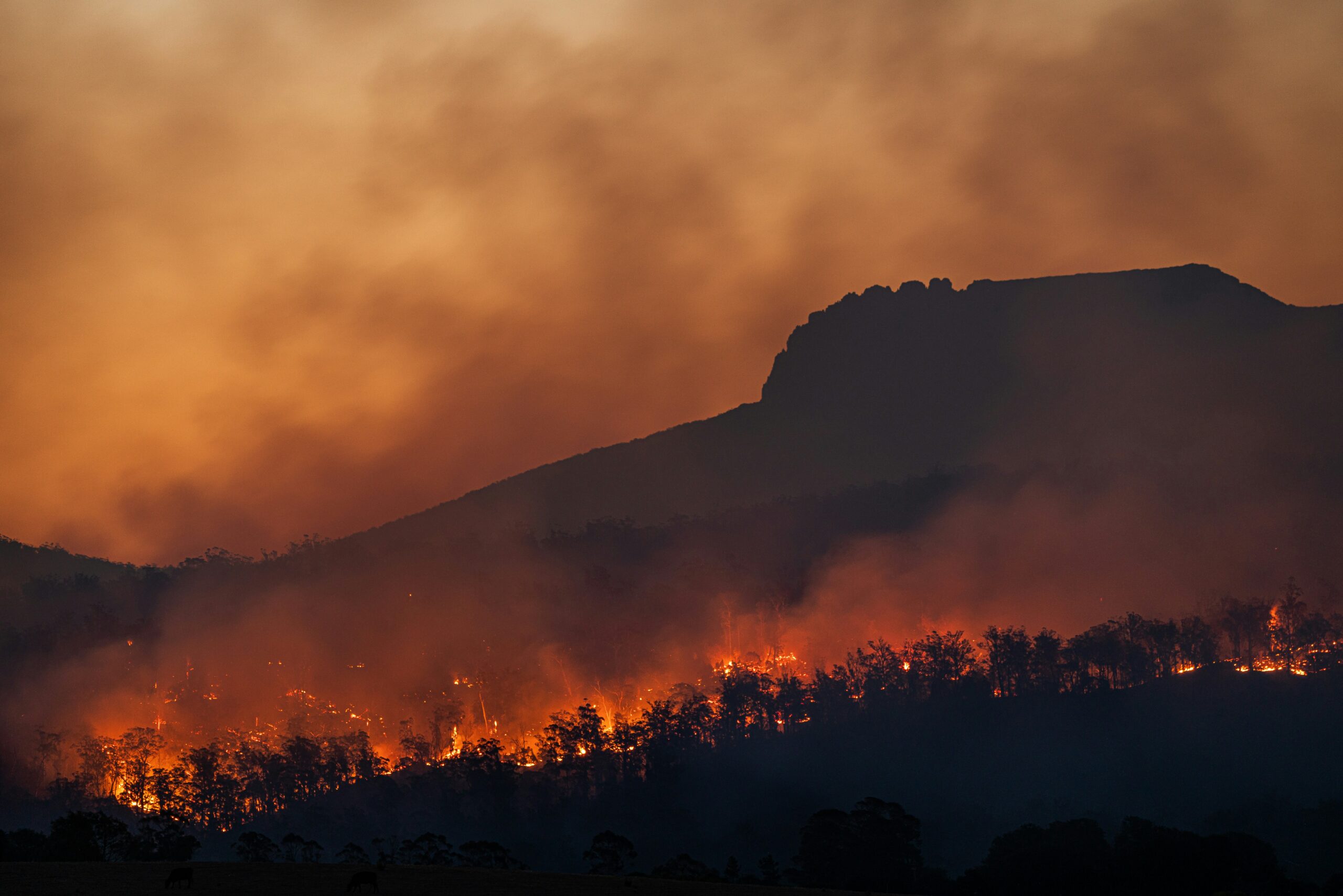
Thousands of hectares of forest have burned in Portugal, Spain, and Turkey, prompting calls for urgent action against the climate crisis
(SDGTALKING) – Portugal and Spain in southwestern Europe, along with Turkey, are battling forest fires that broke out one after another at the end of July. Rising temperatures, prolonged drought, and strong winds have caused widespread destruction across a vast area stretching from the Iberian Peninsula to Anatolia. Thousands of hectares have been reduced to ashes in the three countries, with thousands of personnel and dozens of aircraft mobilized to bring the fires under control.
State of emergency declared in northern Portugal
The Portuguese Civil Protection Agency announced that a state of emergency has been declared in some areas due to large-scale fires in northern regions such as Vila Real, Bragança, and Viseu. In areas where temperatures exceeded 40°C, the winds caused the flames to spread rapidly, prompting over 1,000 firefighters, helicopters, and firefighting planes to respond. Dozens of homes were evacuated, roads were closed, and communication infrastructure collapsed in some areas.
Spain: 20,000 hectares reduced to ashes
In neighboring Spain, fires in many regions, particularly in Castilla y León and Extremadura, have become the country’s biggest environmental crisis this year. It has been announced that more than 20,000 hectares have been reduced to ashes. Hundreds of people have been evacuated in some areas where the flames are threatening residential areas. While the agriculture and livestock sectors suffered heavy losses, natural habitats were also seriously damaged.
The toll rises in Turkey: forest fires in nine provinces
Similarly, Turkey was rocked by forest fires in many provinces, including Adana, Mersin, Antalya, Muğla, İzmir, Aydın, Kahramanmaraş, Çanakkale, and Balıkesir, during the last week of July. According to data from the Ministry of Agriculture and Forestry, approximately 13,000 hectares were burned in just one week. Over 3,500 personnel, 20 helicopters, and 12 planes responded to the fires.
The fires that broke out in Dalaman and Köyceğiz in Muğla, Manavgat and Alanya in Antalya, and Bayramiç in Çanakkale grew due to the wind and threatened residential areas. Some houses and barns were burned down, and animals were killed. Authorities reported that the risk continues and that the heat wave will continue.
Climate crisis intensifies wildfires
Experts emphasize that the wave of wildfires in both Europe and Turkey is a direct result of climate change. The European Union’s Copernicus Climate Service noted that temperatures in the Iberian Peninsula exceeded the average of the past 50 years, while Turkey’s Meteorology General Directorate issued “extreme heat warnings.”
Climate scientists say that rising temperatures, falling humidity levels, and drying forests are making them more susceptible to fires, with fire seasons becoming longer and more destructive.
Coordination efforts between the EU and Turkey
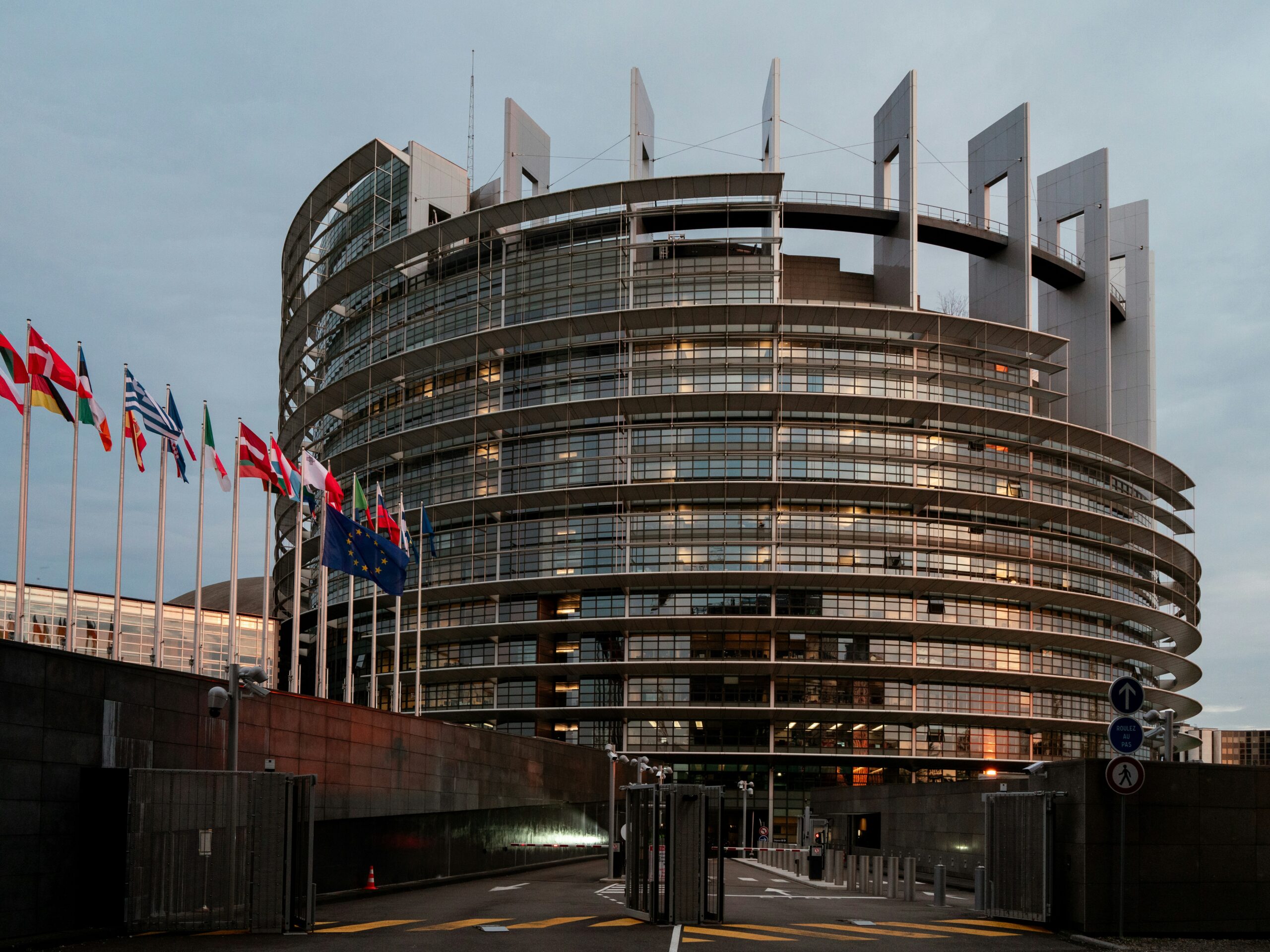
The European Commission announced that it has provided firefighting aircraft and technical support to Portugal and Spain. In Turkey, the General Directorate of Forestry, AFAD, and local municipalities are continuing their coordinated efforts. The Presidency of Communications announced that “all resources have been mobilized to fight the fires.”
Public urged to exercise caution
Authorities have urged citizens in both Europe and Turkey to comply with evacuation and warning calls from authorities, and to avoid lighting fires, barbecues, or burning stubble in forested areas. Meteorological agencies have warned that the heatwave is expected to continue in the coming days.