UN
UN 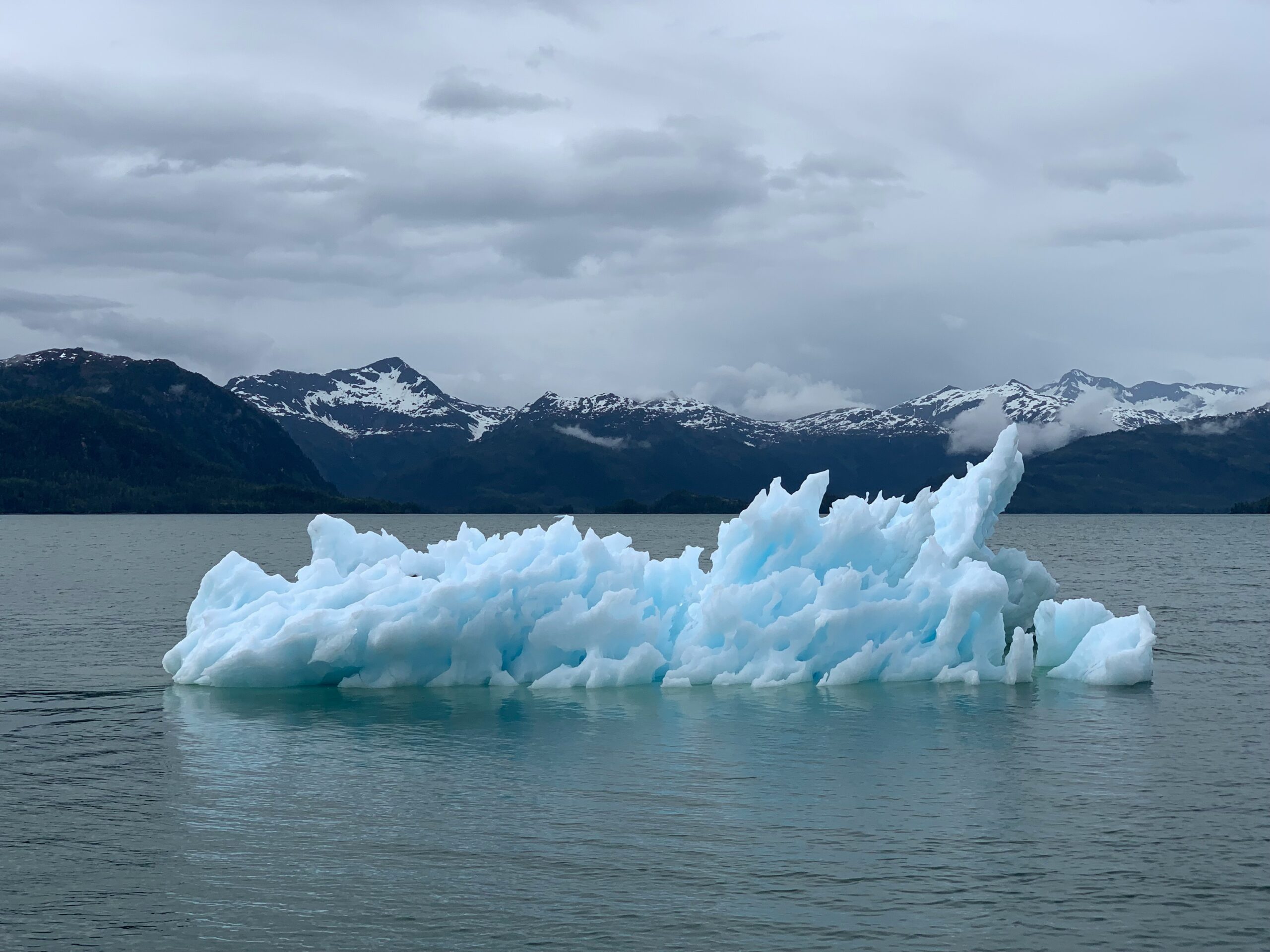
(SDGTALKING) By Bunyamin Surmeli – According to the latest report prepared by over 60 leading climate scientists from around the world, the chance of limiting global temperature rise to 1.5°C with current carbon dioxide emission levels could disappear within just three years. The researchers warned that “without swift and stringent action, the critical threshold set by the Paris Agreement will be crossed.” According to the new report, if current emission levels continue, the Paris Climate Goal will fail.
“Everything is moving in the wrong direction”
Prof. Piers Forster, Director of the Priestley Centre for Climate Future at the University of Leeds and lead author of the report, noted that the data recorded in climate systems is alarming. Forster said, “We are observing some unprecedented changes. The warming of the world and the rise in sea levels have accelerated. This is directly linked to high emissions.”
Scientists had previously set the remaining carbon budget to keep the 1.5°C target achievable at 500 billion tons of CO2 in 2020. However, according to the new study, this figure has dropped to 130 billion tons by the start of 2025. With annual CO2 emissions of approximately 40 billion tons, this budget will be exhausted in just three years.
2023 was the first year the 1.5°C threshold was exceeded
Last year, global average temperatures exceeded pre-industrial levels by 1.5°C for the first time. Although this is currently a temporary 12-month average, scientists have stated that this increase is largely due to human activity. Average global temperatures have now risen by 1.36°C and are increasing by approximately 0.27°C per decade.
Crossing the 1.5°C threshold will make it harder to reverse
Prof. Joeri Rogelj from Imperial College London said that removing excess CO2 from the atmosphere is theoretically possible even if the 1.5°C limit is exceeded, but that this becomes less likely as the degree of warming increases. “Every bit of warming matters.
Every 0.1°C increase means more damage, especially for poor and vulnerable communities,” he said.
The world is retaining more energy: oceans are warming, sea levels are rising
Another striking finding of the study was the rapid increase in the world’s energy imbalance. Over the past decade, the rate of energy accumulated in the Earth’s atmosphere has doubled compared to the 1970s and 1980s, and is 25% higher than in the late 2000s. This energy accumulation is largely absorbed by the oceans, threatening marine life and raising sea levels.
Dr. Matthew Palmer from the University of Bristol stated, “Such a high increase in energy in such a short time is extremely concerning. This not only affects air temperatures but also directly impacts glacier melting and sea levels.” Global sea levels are rising at twice the rate they were in the 1990s.
There is hope, but time is running out: “The transition to clean technology must accelerate”
Although the report paints a bleak picture, it notes that the rate of emissions growth has slowed somewhat due to the spread of clean energy technologies. However, experts emphasize that this is insufficient and urge governments and the private sector to implement “rapid and significant” emissions cuts.
The importance of the Paris Agreement was emphasized
Scientists reiterated that the 1.5°C target set in the 2015 Paris Climate Agreement is scientifically grounded, stating that “even a 1.5°C warming target instead of 2°C would significantly reduce the impacts of extreme weather events, ice loss, and sea level rise.”