

 UN
UN 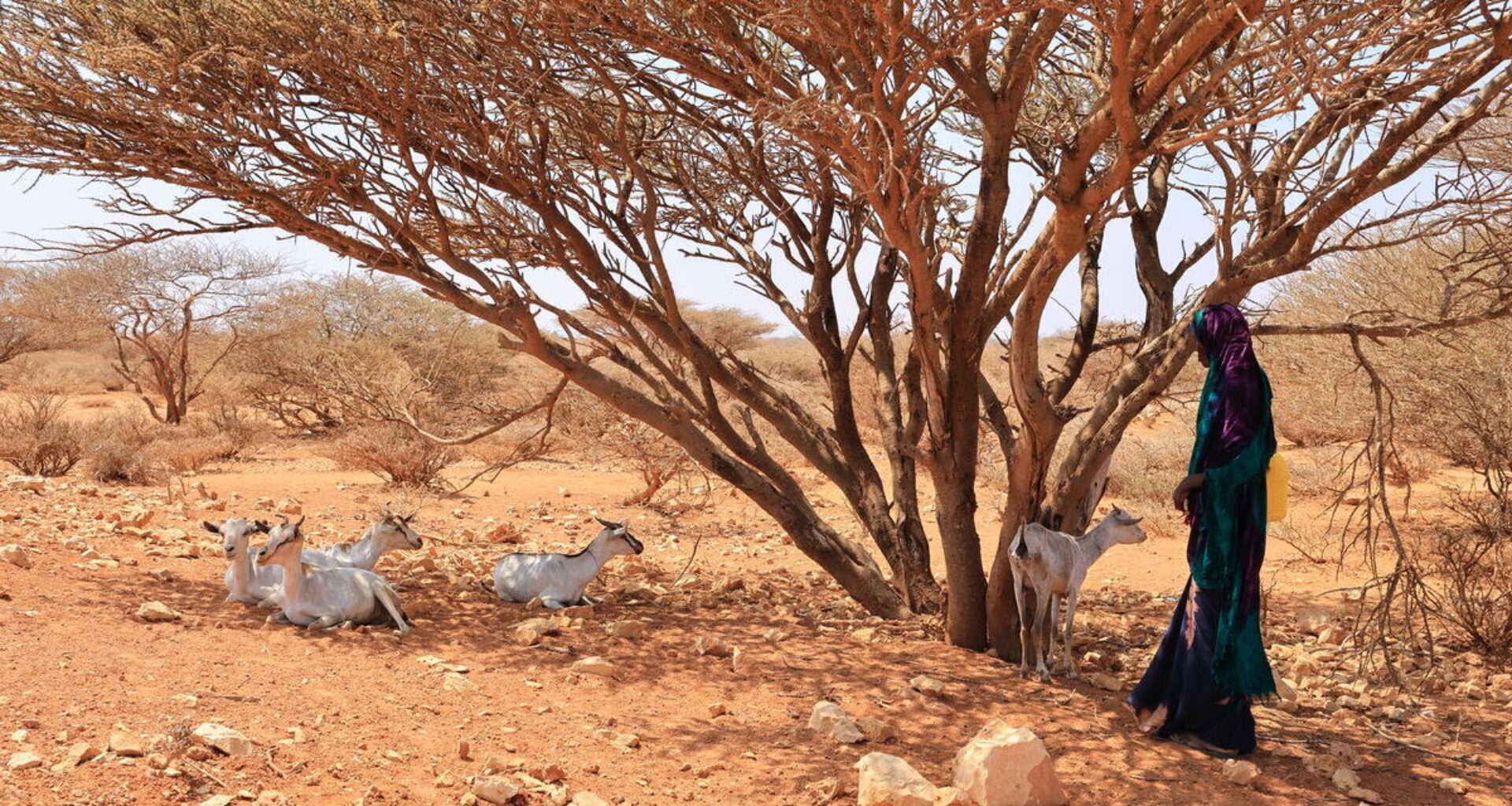
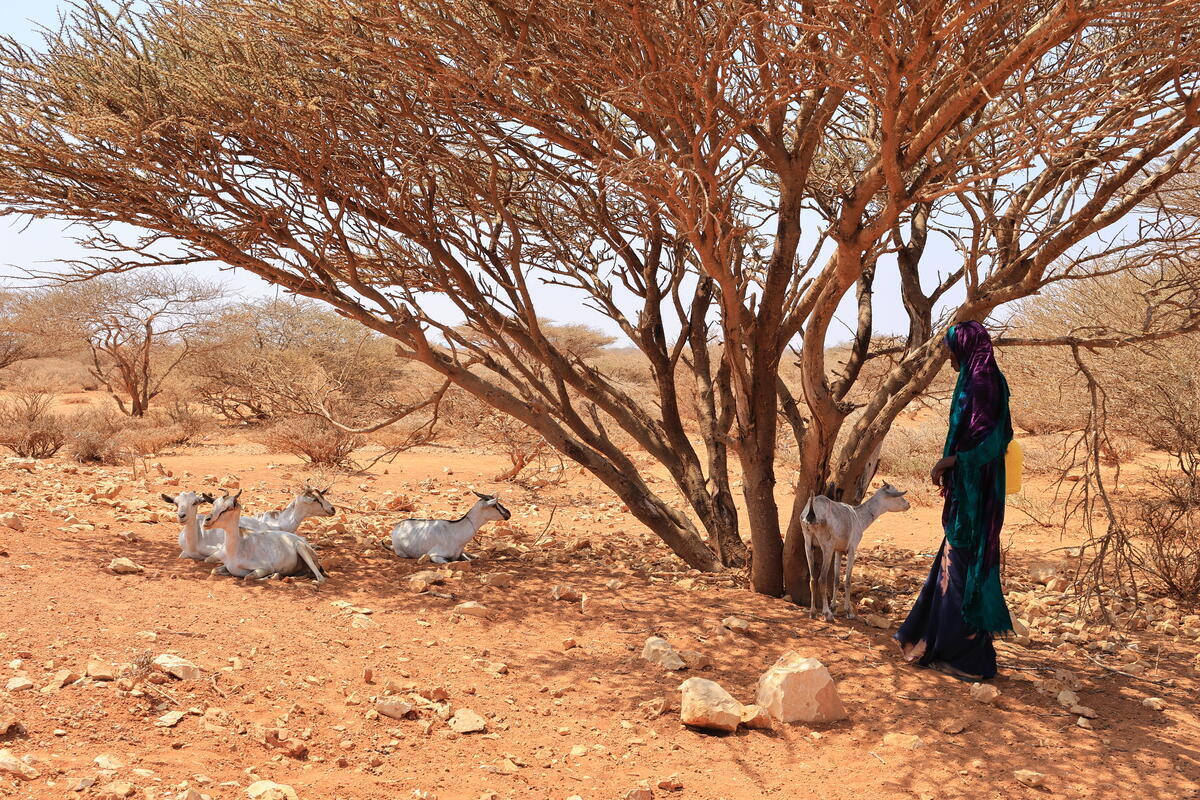
Featured photo: WFP/CRC/Mohamed Abdirisak Ali.
Why the warning is back
On 28 January 2026, the Food and Agriculture Organization warned that Somalia’s 2025-26 drought was intensifying rapidly and was likely to be as severe and widespread as the major droughts of 2022, 2017, and 2011. FAO said the failed Deyr rains between October 2025 and January 2026 had accelerated moisture stress, damaged crops, and deepened water shortages across rural areas. In key producing zones, FAO estimated that 70-85% of cropland was under severe drought.
This matters because Somalia’s vulnerability is cumulative. When rains fail after years of repeated shocks, the crisis is no longer only about one bad season. It becomes a story about collapsing recovery capacity for farmers, herders, and households that were already living close to the edge.
The hunger numbers deteriorated fast
The clearest signal came from the IPC Acute Food Insecurity and Acute Malnutrition Analysis published on 24 February 2026. It projected that 6.5 million people in Somalia would face IPC Phase 3 or above between February and March 2026, up from 4.8 million people already in crisis-level hunger or worse in January 2026. The same analysis said more than 2 million people were projected to be in IPC Phase 4, while 1.84 million children aged 6-59 months were expected to suffer acute malnutrition in 2026, including 483,000 severe cases requiring lifesaving treatment.
The report also showed how thin the safety net has become. Humanitarian food security assistance in January 2026 reached only 17% of the 4.8 million people in need, and IPC said coverage was expected to fall to only 9% of people in Phase 3 and above during February and March. That is the kind of gap that turns a bad season into a wider emergency.
Funding cuts are now part of the emergency itself
On 20 February 2026, the World Food Programme warned that its emergency food and nutrition assistance in Somalia was at imminent risk of grinding to a halt without new funding. WFP said it had already reduced the number of people receiving emergency food assistance from 2.2 million in early 2025 to just over 600,000. Nutrition programmes had also been cut from nearly 400,000 pregnant and breastfeeding women and young children in October 2025 to 90,000 in December.
WFP said it urgently needed USD 95 million to continue support between March and August 2026. Five days later, a joint Somali government and UN press release said the broader 2026 funding requirement for lifesaving assistance in Somalia stood at USD 852 million. In other words, this is not only a drought story. It is also a funding failure unfolding in real time.
Climate stress is colliding with water, disease, and displacement
The joint 25 February 2026 warning from the Somali government, FAO, UNICEF, WFP, and OCHA added more evidence that the crisis is multi-systemic. It said the Deyr cereal harvest in southern Somalia was 83% below the long-term average from 1995 to 2025. It also pointed to soaring water prices, large-scale displacement, and worsening child illness. The IPC report separately noted that poor water, sanitation, and hygiene conditions were amplifying disease risks, while outbreaks of cholera, measles, and diphtheria were still active in southern and central regions.
That combination is what makes this more than a humanitarian headline. Somalia sits at the intersection of climate vulnerability, weak public systems, and unstable aid financing. Failed rains reduce food production and livestock health. Water scarcity raises disease and protection risks. Funding cuts then weaken the very systems that are supposed to stop those shocks from cascading into mass hunger.
What happens next
There is still a narrow policy window. IPC said the Gu rains from April to June 2026 could bring some modest improvement in pasture, water availability, and agricultural labour. But it also warned that acute food insecurity would remain widespread even in that more favorable scenario, with 5.5 million people still projected to face IPC Phase 3 or above between April and June.
The practical test is straightforward: whether donors and agencies treat Somalia’s drought response as emergency relief alone, or as a resilience challenge that also requires water access, nutrition services, local livelihoods, and predictable funding. Without that broader response, Somalia risks repeating the same cycle of drought, hunger, and late humanitarian scrambling.
Sources
- FAO, Intensifying Somalia drought likely to be as severe as previous prolonged dry periods, FAO warns
- FAO, Somalia’s humanitarian crisis worsening with 6.5 million people facing high levels of hunger, Federal Government and United Nations warn
- IPC, Somalia Acute Food Insecurity and Acute Malnutrition Analysis, January-June 2026
- WFP, WFP warns of catastrophic shortfalls in Somalia with millions at risk of deepening hunger crisis