



 UN
UN 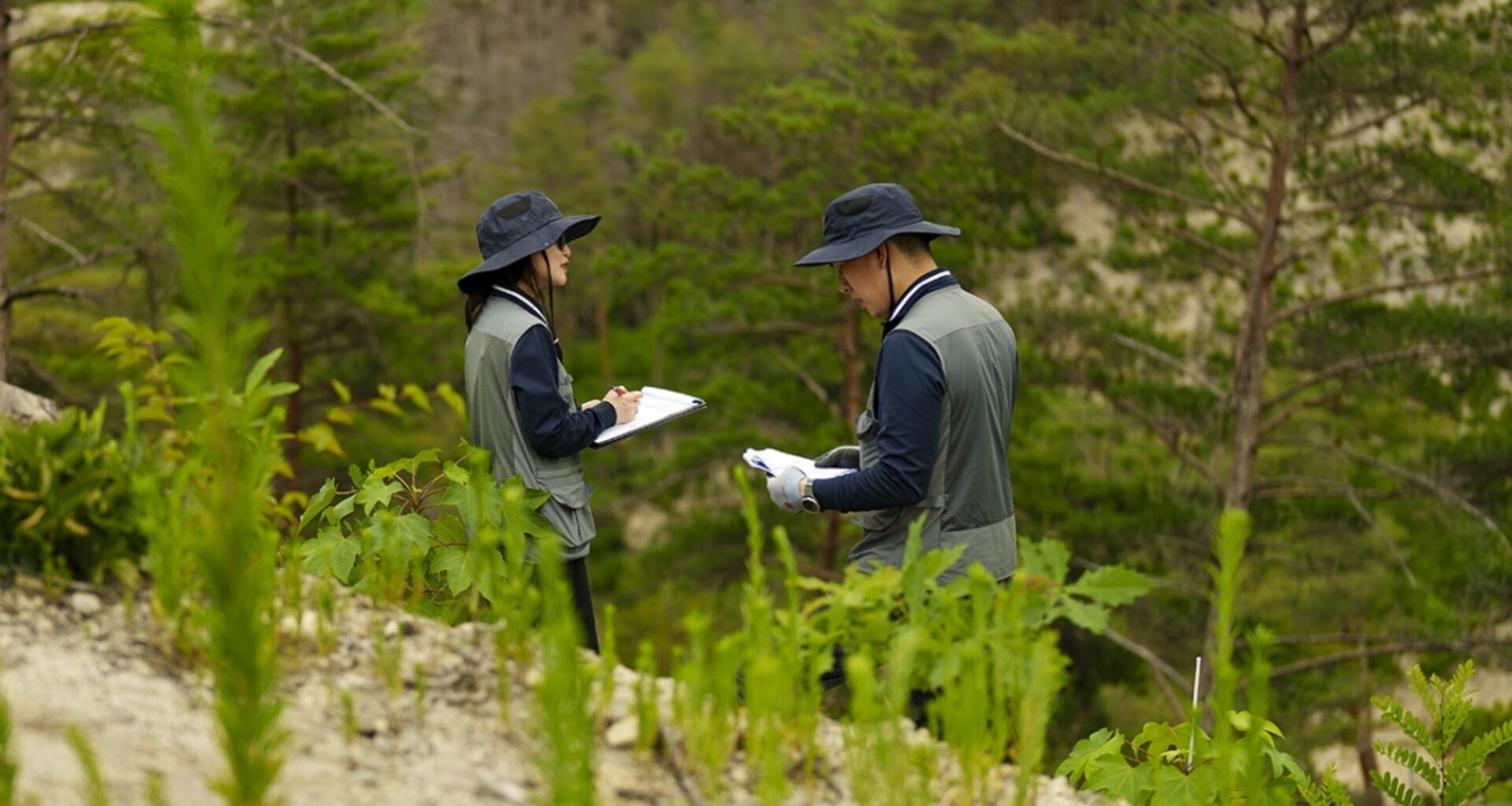
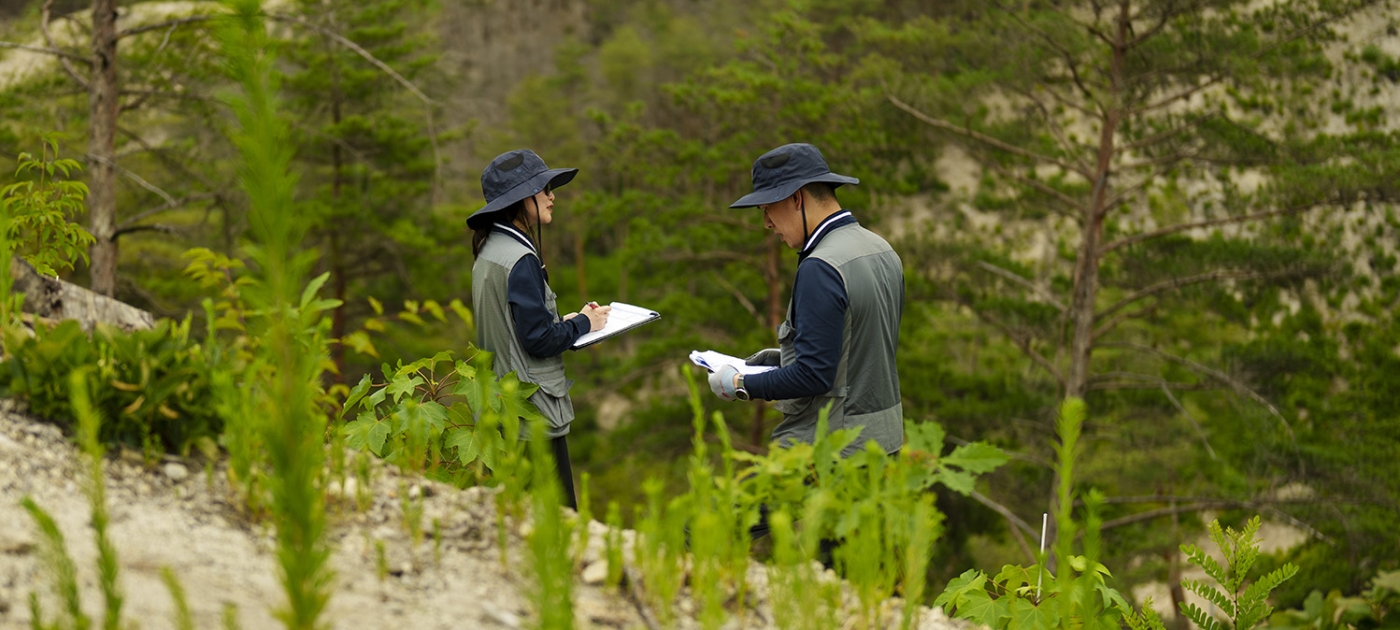
Featured photo: Todd Brown / UNEP.
Rebuilding after fire is becoming a climate strategy
A new UNEP story published on 18 March 2026 shows how the Republic of Korea is turning wildfire recovery into a broader climate adaptation project. The case study comes from Uljin, where a 2022 blaze destroyed an estimated 20,000 hectares of forest in what UNEP describes as the country’s second-worst wildfire on record.
The significance of the response is that it moves beyond a simple replanting campaign. Officials, scientists, civil society groups, and residents are treating restoration as an exercise in future-proofing landscapes and communities against the next climate-driven fire.
The model is ecological and economic at the same time
According to UNEP, the restoration plan was designed through a joint governance process after a detailed assessment of ecosystem damage. The result is a five-year masterplan to revive about 4,700 hectares of high-conservation-value forest by 2027.
That plan mixes several objectives. Some areas near homes are being re-vegetated to reduce soil erosion and landslide risk. Belts of fire-resistant native broad-leaved species are being planted to help protect the wider forest from future conflagrations. Large sections are being left to regenerate naturally, with scientists monitoring what succeeds and where ecological intervention is still needed.
UNEP says local livelihoods were built into the design from the start. Species such as kalopanax were selected partly because residents harvest the young shoots as edible plants. Other work is tied to local forestry, seed collection, and nursery production. That turns restoration into more than an environmental repair job. It becomes part of rural resilience and income generation.
Why this matters beyond Korea
The Uljin project offers a useful correction to the idea that restoration is mainly about replacing what was lost. UNEP’s reporting suggests that climate-era restoration has to be more selective and more strategic. Fire-prone monocultures may be familiar and politically easy to replant, but they are not necessarily resilient. In a warming world, restoration increasingly has to account for fire behavior, slope stability, biodiversity, and community needs all at once.
The Korean model also shows how restoration can become institutional infrastructure. UNEP reports that the Korea Forest Service has set up two Native Plant Supply Centers, with four more planned, to grow resilient native species sourced near affected areas. Officials are also pursuing a National Uljin Forest Ecological Institute for education, research, tourism, and fire-awareness work. Monitoring in the area is expected to continue until at least 2037.
A broader lesson in adaptation
The deeper lesson is that climate adaptation is not only about walls, warning systems, and emergency response. It is also about what kinds of ecosystems countries choose to rebuild after disaster. Forests that are more diverse, more locally rooted, and more fire-resistant can function as protective infrastructure just as much as engineered assets do.
That is why the Uljin project matters internationally. It shows what post-disaster recovery can look like when the goal is not to restore the past exactly as it was, but to build a landscape that can survive the future.
Sources
- UNEP, In the wake of fire, how the Republic of Korea is climate-proofing its forests and communities