UN
UN 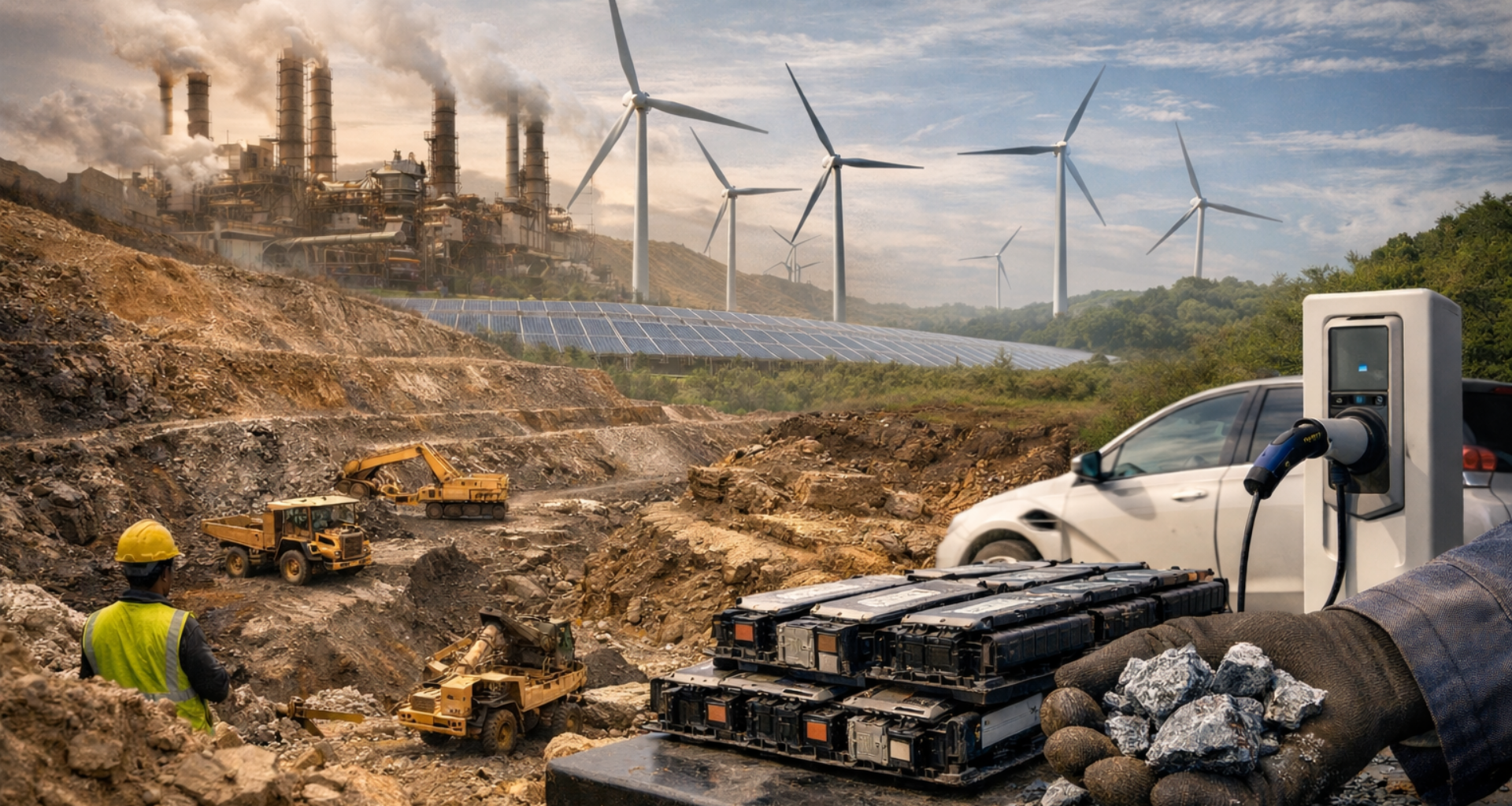
As the world accelerates its transition toward clean energy, one of the most strategic components of this transformation is critical minerals. Technologies such as electric vehicle batteries, wind turbines, and solar panels depend heavily on materials like lithium, cobalt, nickel, and rare earth elements.
However, the limited availability and geographic concentration of these resources are turning the clean energy transition into a new arena of geopolitical competition.
Energy market analyses suggest that demand for critical minerals used in clean energy technologies could increase three- to four-fold by 2040. Electric vehicles are expected to drive a significant portion of this demand. A typical EV battery requires around six times more mineral inputs than a conventional internal combustion vehicle.
China’s Dominance in the Supply Chain
China currently holds a powerful position in the global critical mineral supply chain. The country is not only a major producer of certain minerals but also dominates processing and refining capacity.
This has pushed both the European Union and the United States to diversify their supply chains. The EU’s Critical Raw Materials Act aims to reduce dependence on foreign resources, while the U.S. Inflation Reduction Act promotes domestic clean-energy manufacturing and mineral supply resilience.
The Sustainability Paradox
Ironically, technologies designed to fight climate change rely heavily on intensive mining operations.
Mining activities can lead to:
- ecosystem degradation
- water contamination
- displacement of local communities
These challenges highlight a key paradox: while clean energy reduces carbon emissions, the extraction of critical minerals can create new environmental and social pressures.
Emerging Solutions
To address these challenges, several strategies are gaining momentum:
Battery recycling
Recovering lithium, cobalt, and other valuable metals from used batteries.
Alternative battery chemistries
Developing technologies such as sodium-ion batteries that rely on more abundant materials.
Transparent supply chains
Companies are increasingly required to prove responsible sourcing and ethical mining practices.
The Future of Energy Policy
Experts argue that the next phase of the energy transition will not only focus on reducing emissions but also on resource security and sustainable mining practices.
The clean-energy revolution may reduce dependence on fossil fuels, but it also raises a crucial question:
How sustainable is the transition itself?