UN
UN 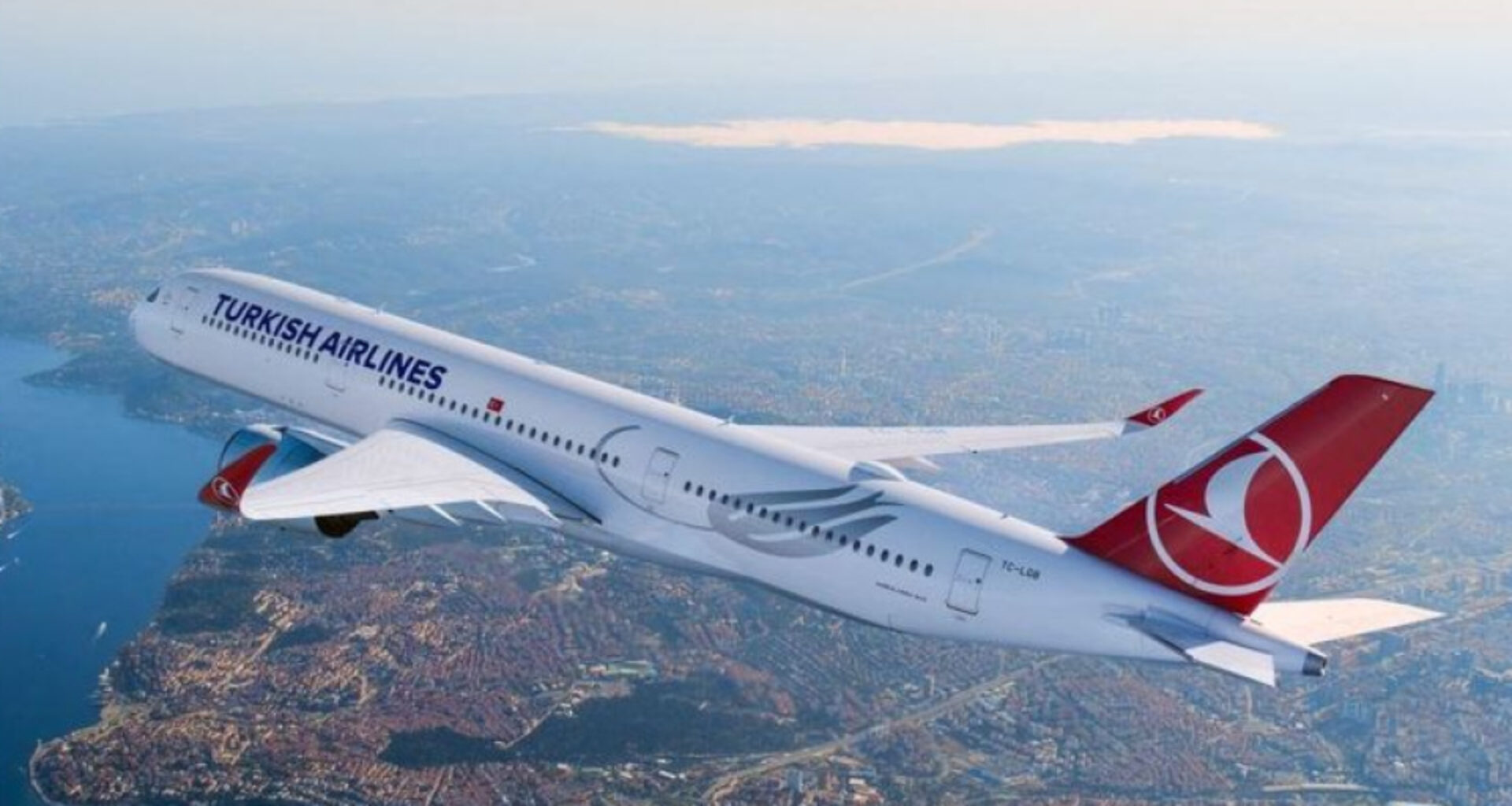
Key Point
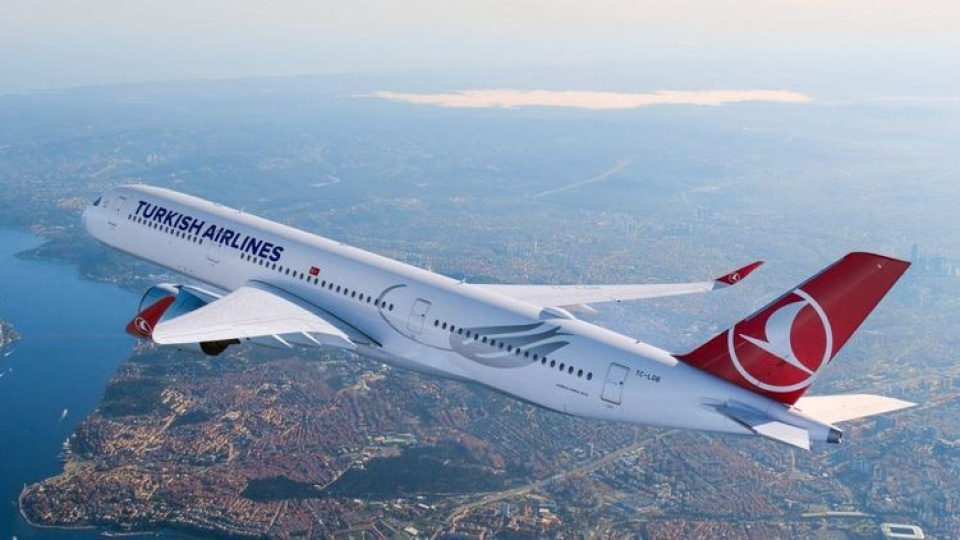
Turkish Airlines’ decision to invest around $42 million in DB Tarimsal Enerji deserves to be read as more than a routine partnership. At a time when aviation is under growing pressure to confront its climate footprint, this is a sign that one of the region’s largest carriers is trying to prepare for a harder but more necessary future.
There is something quietly human in that shift. For years, the airline industry has grown by promising speed, reach and convenience. Now it also has to reckon with responsibility. Sustainable aviation fuel will not solve aviation’s emissions problem on its own, but moves like this suggest that some carriers understand they cannot keep asking the planet for patience without changing how they operate.
Why It Matters
The deeper story here is about supply security and transition readiness. Sustainable aviation fuel remains limited, expensive and unevenly distributed. That means airlines are no longer only customers in an energy market. They are becoming early participants in the infrastructure that could eventually make lower-emissions flying more real.
That matters for climate strategy, but it also matters for fairness. Aviation connects people, families, trade and opportunity. Yet those benefits have long come with environmental costs carried by everyone. If major airlines begin to support cleaner fuel production earlier in the chain, the sector may move from vague climate promises toward more practical accountability.
Evidence and Sources
Bloomberg HT reported on April 1, 2026 that Turkish Airlines had launched a binding process to invest roughly $42 million in Izmir-based DB Tarimsal Enerji and aims to hold a 40% stake. The planned facility is expected to begin operating in 2029 with annual sustainable aviation fuel output of around 100,000 tonnes.
The numbers are still best understood as an early-stage transition signal rather than proof of transformation. Much will depend on execution, production economics, feedstock sourcing and whether the fuel can be integrated at meaningful scale. Still, the intent matters. In climate transition stories, early capacity often matters before volume does.
What Happens Next
The next phase to watch is whether this investment leads to real production, credible sourcing and sustained SAF availability rather than a symbolic green headline. If it does, THY may not only strengthen its own transition planning. It could also help show that cleaner aviation begins long before a plane leaves the runway.
Sources
- Bloomberg HT, April 1, 2026: THY’s planned investment in DB Tarimsal Enerji and the expected SAF facility timeline