UN
UN
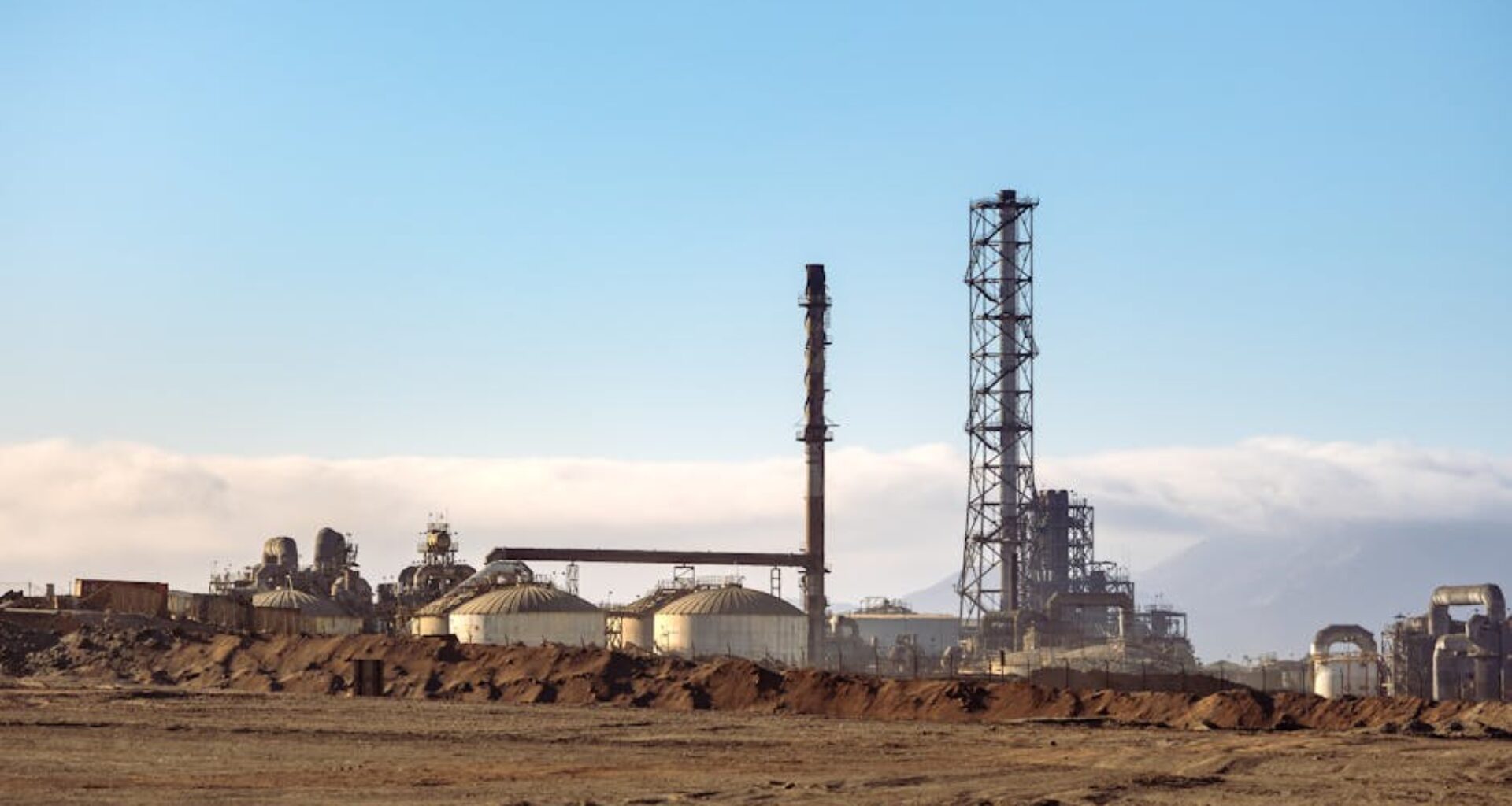
The ongoing conflict in Iran has significantly disrupted global food markets, leading to a sharp increase in food prices worldwide. Analysts warn that the war’s impact on regional agriculture and supply chains is exacerbating food insecurity in vulnerable populations, undermining progress towards the United Nations Sustainable Development Goal 2: Zero Hunger. Experts emphasize the urgent need for international cooperation to stabilize food systems and support affected communities.
Meanwhile, two major international conferences focusing on biodiversity and nature conservation have recently concluded, highlighting renewed commitments to protect ecosystems and promote sustainable land use. Key outcomes from these talks include enhanced frameworks for integrating nature-based solutions into climate policies, aligning closely with SDG 15: Life on Land. Delegates stressed the importance of cross-sector collaboration and increased funding to safeguard natural habitats and biodiversity.
In a positive development for wildlife conservation, the UK has reported the return of the country’s tallest bird species, signaling a successful outcome of long-term habitat restoration efforts. This resurgence is a testament to effective conservation strategies and community engagement, offering hope for reversing biodiversity loss. The event underscores the critical role of habitat protection in achieving global sustainability targets.
Together, these stories illustrate the complex interplay between conflict, environmental stewardship, and biodiversity recovery. They serve as a reminder that addressing the intertwined challenges of food security, climate change, and ecosystem health requires holistic approaches and sustained global commitment.