


 UN
UN
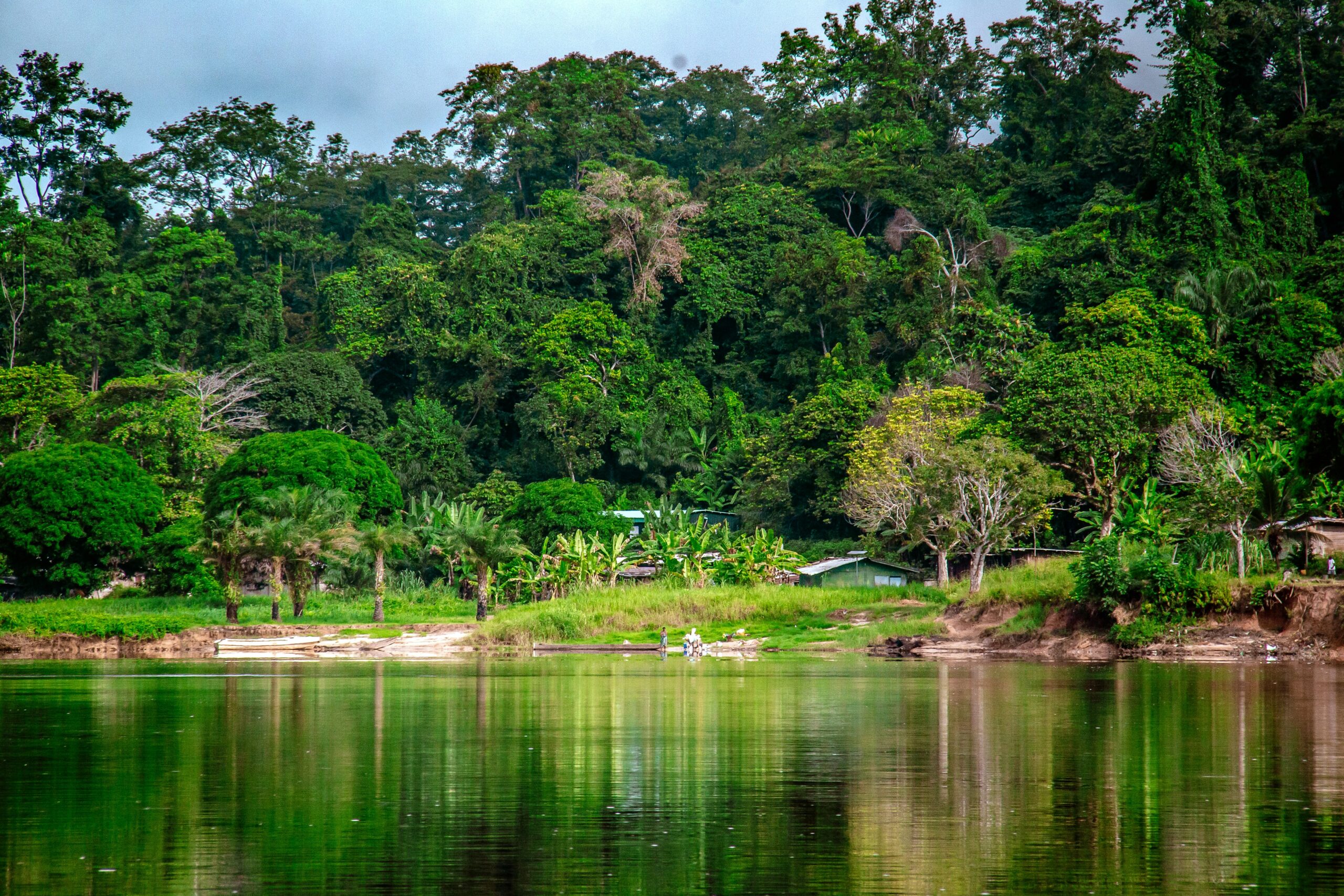
(SDGTALKING) – By Bunyamin Surmeli – United Nations volunteers are documenting knowledge about nature and the environment—passed down orally through generations—in rural communities in southern Gabon. The initiative aims to ensure that centuries-old traditional knowledge regarding forests, rivers, wetlands, and local species is passed on to future generations.
A UN project currently underway in Gabon demonstrates that sustainable development can be supported not only by new technologies but also by local knowledge passed down through generations.
In the initiative announced by the United Nations Sustainable Development Group on August 31, UN Volunteers are documenting the traditional knowledge about nature held by rural communities in the southern part of the country.
Under the GEF7 project, supported by UNDP, 22 UN Volunteers are working in 17 rural communities.
The volunteers are gathering traditional knowledge from local residents on a wide range of topics, from the medicinal uses of plants to the identification of seasons, and from agricultural and harvesting methods to the use of natural resources.
A significant portion of the documented knowledge had never before appeared in any written source and was passed down from generation to generation through stories, rituals, observations, and daily life.
The project also highlights the participation of people with disabilities in social life. UN Volunteers with disabilities working in the field are contributing to changing entrenched social perceptions by conducting research and interviews in rural communities.
The project is being carried out in direct alignment with the goals of SDG 10: Reduced Inequalities, SDG 11: Sustainable Cities and Communities, SDG 15: Life on Land, and SDG 17: Partnerships for the Goals.