UN
UN
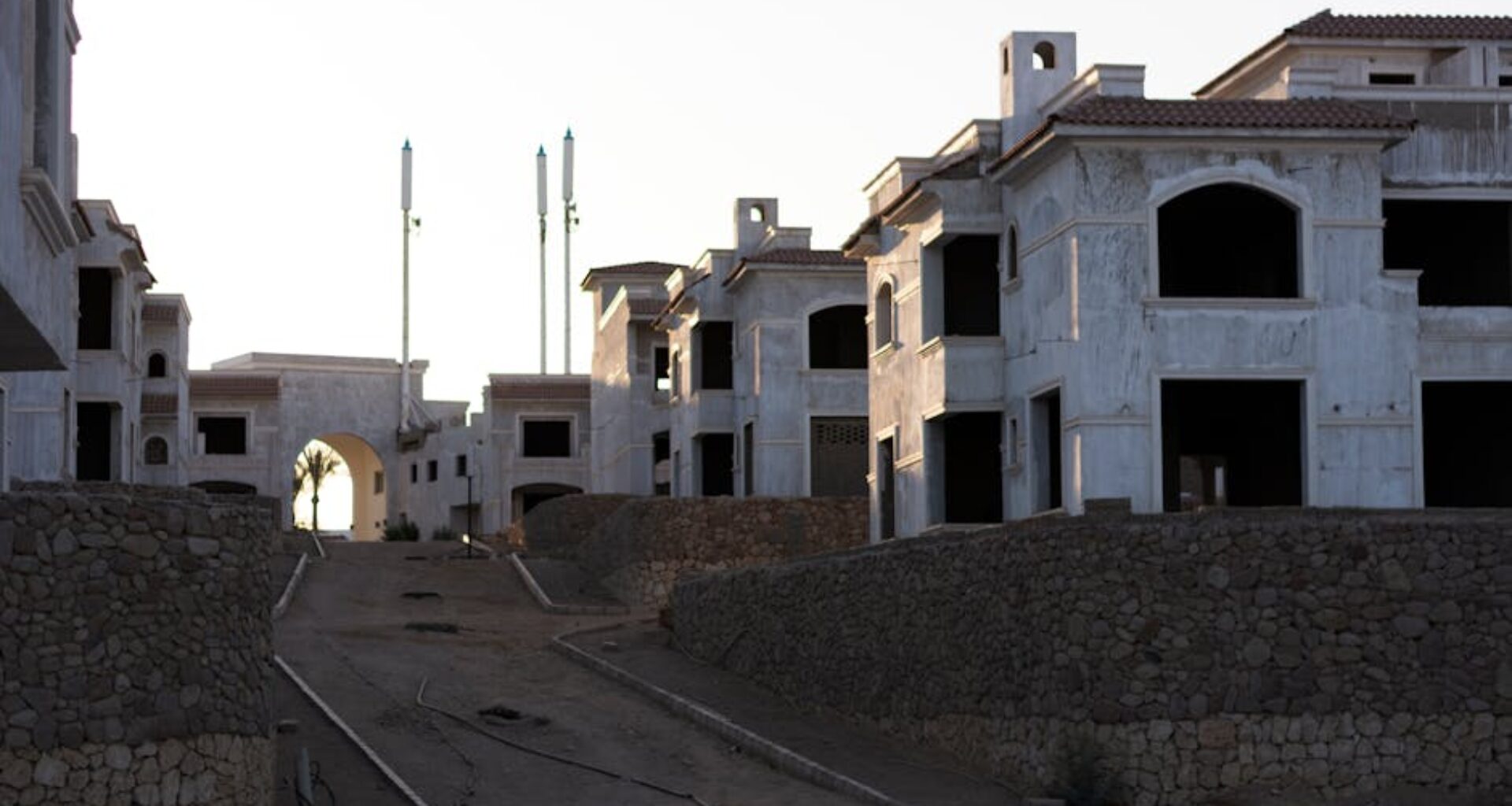
In the Raposa Serra do Sol Indigenous Territory in northern Brazil, an unfinished water project has left several Indigenous villages without access to safe and reliable drinking water. Located approximately 300 kilometers from Boa Vista, the capital of Roraima state, the Bem Viver community exemplifies the ongoing challenges faced by Indigenous peoples in securing basic water infrastructure. A large water tank, left overturned on the dirt floor near a local flour mill, symbolizes the stalled initiative and the unmet needs of the community.
Access to clean water is a fundamental human right and a critical component of Sustainable Development Goal 6 (Clean Water and Sanitation). However, in many Indigenous territories across Brazil, infrastructural projects aimed at improving water access are often delayed, underfunded, or abandoned. This leaves communities vulnerable to waterborne diseases and exacerbates existing inequalities in health and well-being.
Experts highlight that Indigenous populations frequently face systemic barriers, including bureaucratic inefficiencies and limited political representation, which hinder the completion of essential public services. According to recent data, nearly 20% of Indigenous households in Brazil lack access to adequate water supply, a figure that underscores the urgency of addressing these disparities.
Local Indigenous leaders have called for greater governmental accountability and increased investment in culturally appropriate and sustainable water solutions. They emphasize that community involvement in project planning and execution is vital to ensure the infrastructure meets their specific needs and environmental contexts.
The unfinished water project in Raposa Serra do Sol not only reflects a localized failure but also points to broader challenges in achieving equitable access to water for Indigenous peoples. Addressing these issues is essential for advancing SDG 6 and improving health outcomes, reducing poverty, and promoting social inclusion in Indigenous territories across Brazil and beyond.