




 UN
UN
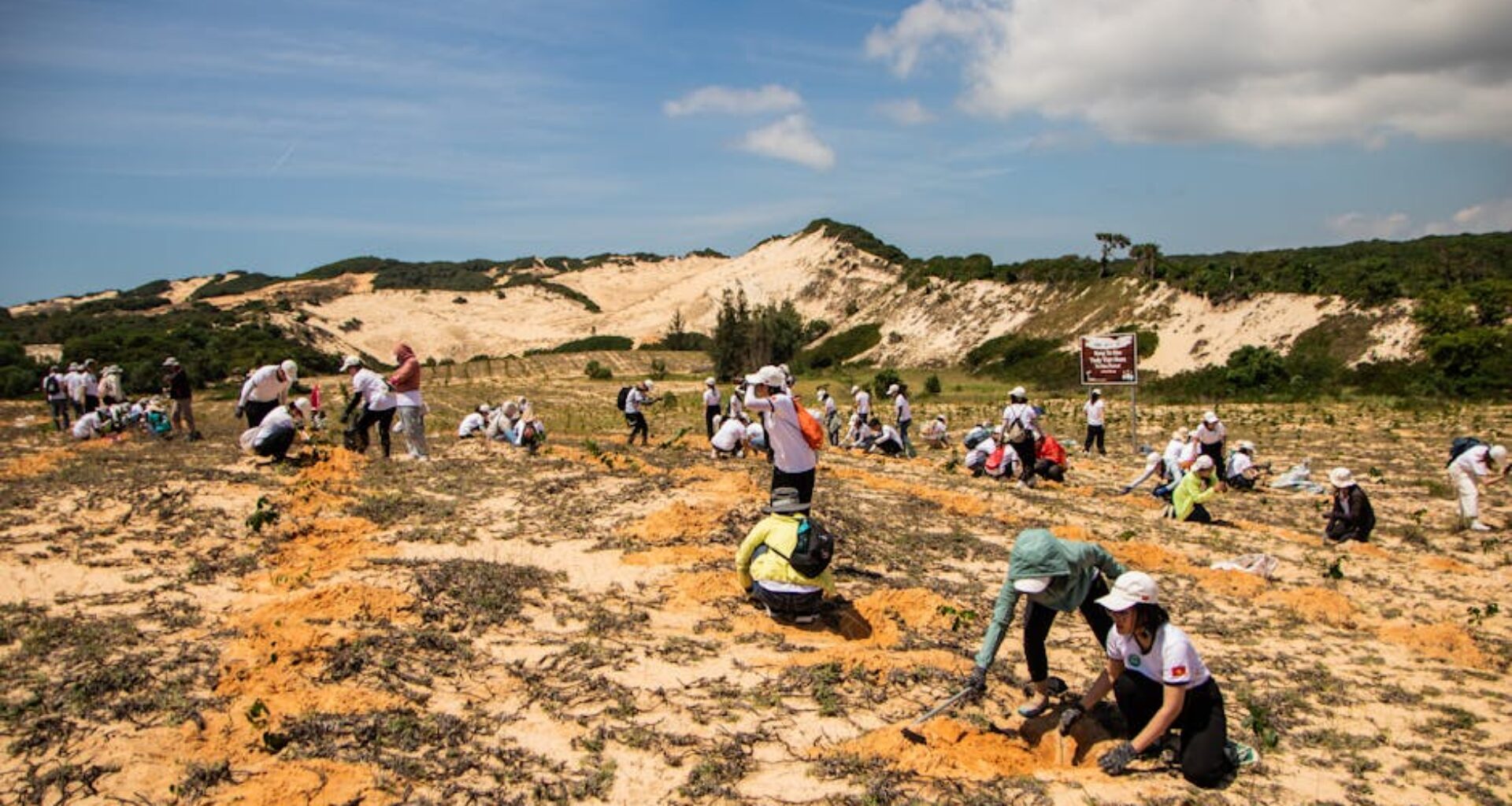
In the eastern rainforests of Madagascar, a vital ecological restoration project is reconnecting fragmented habitats to protect the island’s unique biodiversity and bolster local livelihoods. The Andasibe-Mantadia National Park and the Analamazoatra Special Reserve, home to approximately a dozen lemur species and numerous endemic plants and animals, once formed a continuous rainforest landscape. However, since the 1960s, expansive deforestation for agricultural expansion has fractured this critical habitat, threatening both wildlife and the communities that depend on the forest.
To address this, conservationists and local stakeholders have embarked on creating a reforestation corridor aimed at linking these two protected areas. This corridor not only facilitates the movement and genetic exchange of lemurs and other species but also helps restore ecosystem functions such as water regulation and soil protection. The initiative embodies the principles of sustainable development by integrating biodiversity conservation with socio-economic benefits for the surrounding villages.
Lemurs, many of which are classified as endangered or critically endangered, face severe risks from habitat loss and fragmentation. By restoring forest connectivity, the corridor enhances their chances of survival and resilience against climate change impacts. Experts highlight that such landscape-level approaches are essential for preserving Madagascar’s extraordinary natural heritage, which cannot be safeguarded through isolated protected areas alone.
Beyond ecological gains, the reforestation efforts provide local communities with new opportunities. Sustainable agroforestry projects, eco-tourism, and employment in tree planting and forest management contribute to poverty alleviation and food security. This aligns with several Sustainable Development Goals, including SDG 15 (Life on Land), SDG 1 (No Poverty), and SDG 13 (Climate Action). The project demonstrates how conservation initiatives can be designed to support both environmental and human well-being in tandem.
As global attention intensifies on protecting biodiversity hotspots, Madagascar’s reforestation corridor serves as a promising model. Continued investment, community engagement, and scientific monitoring will be crucial to scale up these efforts and ensure that both lemurs and local people thrive in a restored, resilient landscape.