

 UN
UN
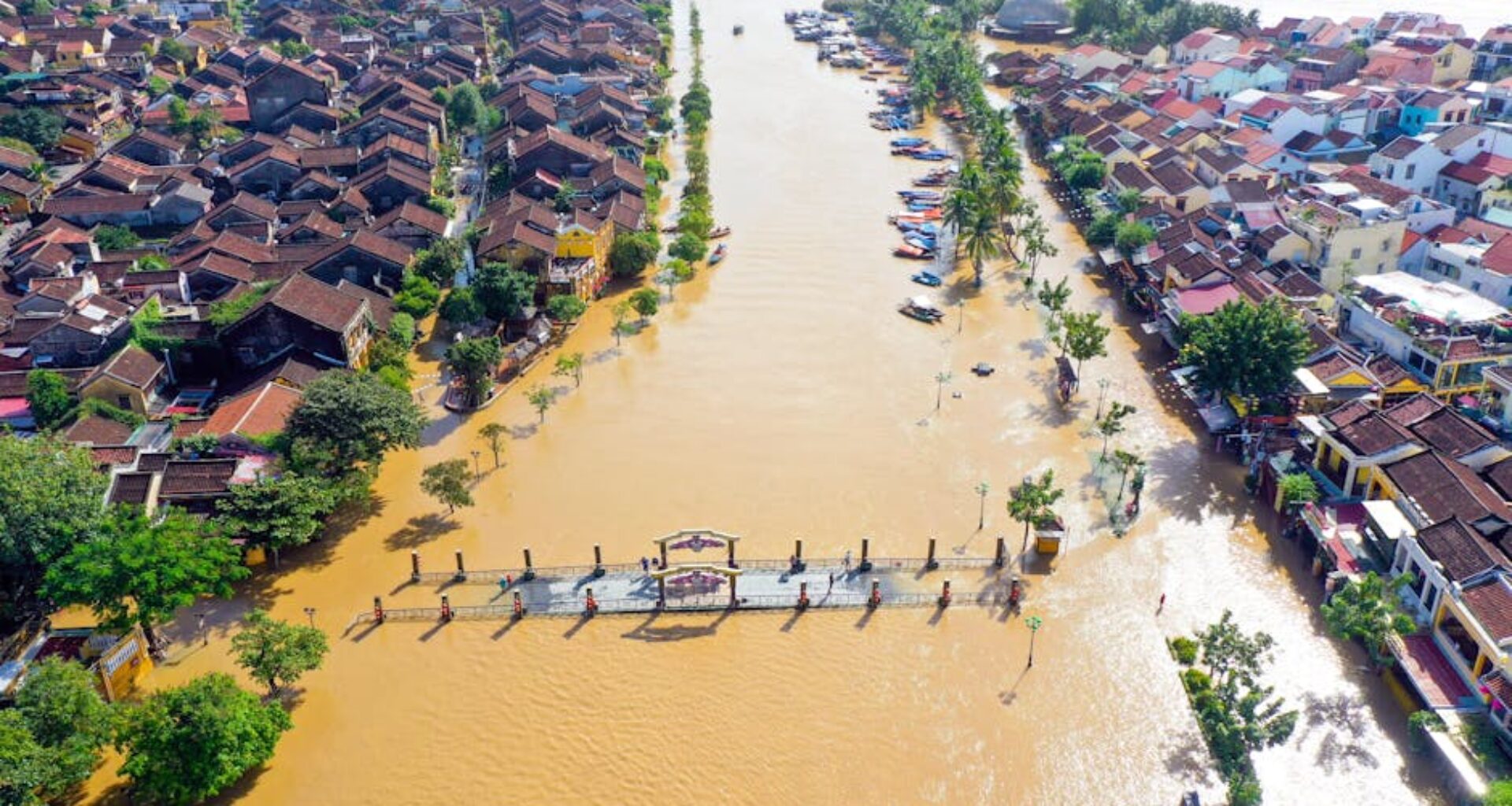
In northeast Bangladesh, where the monsoon season unleashes devastating floods year after year, communities are pioneering innovative approaches to housing that withstand extreme water levels. Bulbul, a newlywed who recently moved to a small village along the Jamuna River, reflects the resilience of families who face the relentless challenges of floodwaters that inundate homes, destroy crops, and disrupt daily life. For decades, rebuilding after each flood has been a costly and exhausting cycle for millions.
Recognizing the urgent need to break this cycle, local engineers, architects, and NGOs have collaborated to develop flood-resilient housing designs tailored to Bangladesh’s unique riverine environment. These homes are elevated on sturdy stilts or floating platforms, constructed from locally sourced, durable materials that can resist water damage. This approach not only safeguards physical structures but also protects livelihoods by preserving household assets during floods.
Experts emphasize that such climate-adaptive housing solutions align closely with multiple Sustainable Development Goals, including SDG 11 (Sustainable Cities and Communities), SDG 13 (Climate Action), and SDG 1 (No Poverty). By reducing vulnerability to floods, these homes improve community stability, reduce displacement, and foster economic security. “Investing in resilient infrastructure is critical for countries like Bangladesh, where climate change intensifies flood risks,” says Dr. Amina Rahman, a climate resilience specialist.
While challenges remain, including scaling up these initiatives and ensuring affordability for the poorest households, the success stories emerging from villages along the Jamuna River offer a hopeful blueprint. Government programs are increasingly supporting such adaptive housing, integrating traditional knowledge with modern engineering to build a safer, more sustainable future. As climate impacts intensify globally, Bangladesh’s flood-resilient housing models provide valuable insights into practical solutions for vulnerable communities worldwide.