



 UN
UN
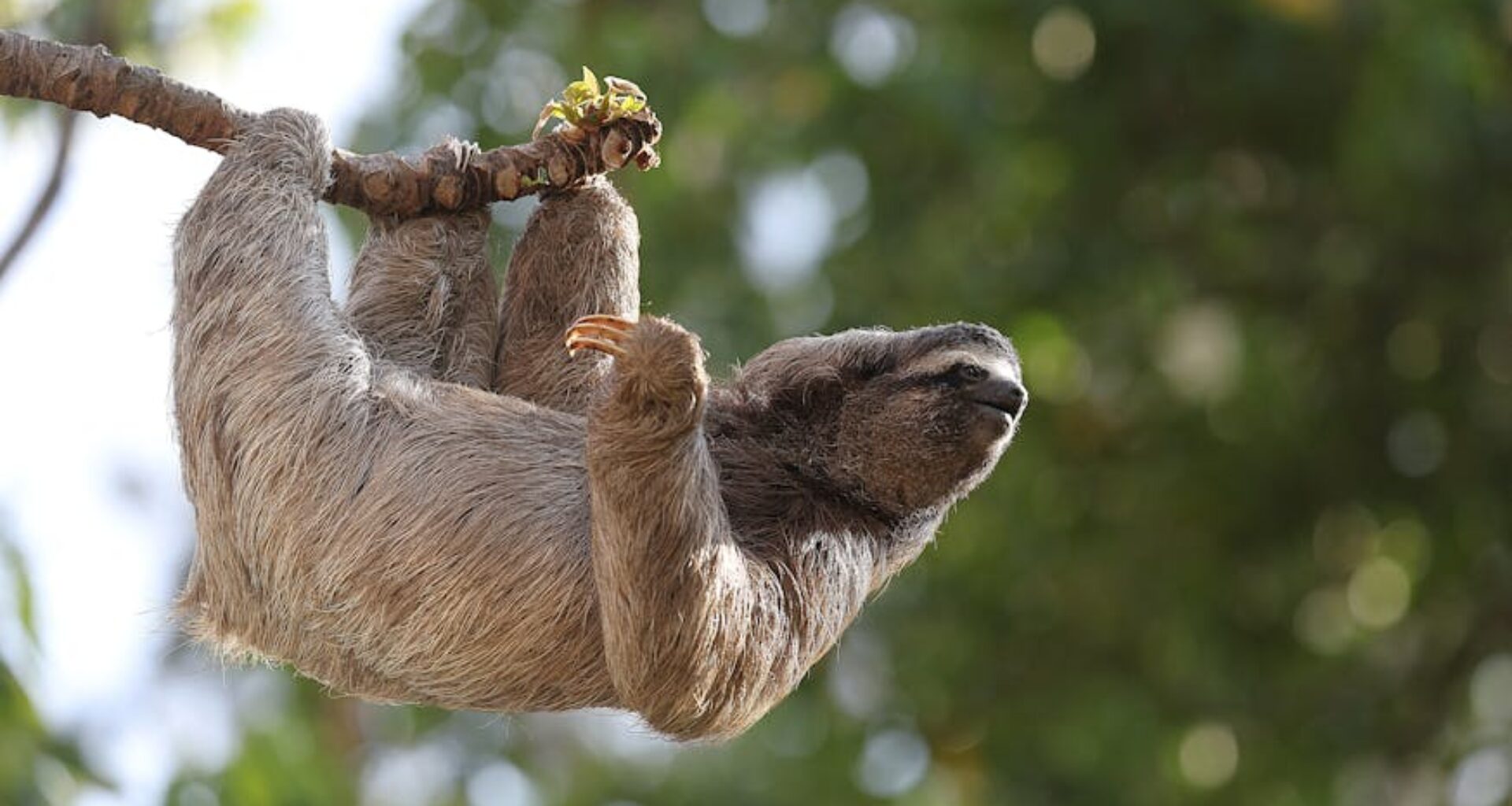
In the wake of a devastating loss of wildlife at a Florida-based animal attraction, 13 surviving sloths have been transferred to a local zoo for specialized care. The Orlando facility, known as Sloth World, had imported dozens of wild sloths to create an exhibit but faced intense scrutiny after an investigative report revealed that over 31 sloths had died while under its care. This tragic outcome has ignited public concern and raised urgent questions about the welfare standards within privately operated wildlife attractions.
The deaths, which occurred within a short timeframe, prompted animal rights advocates and conservation experts to call for increased oversight and stricter regulations regarding the treatment of exotic species in captivity. Sloths, native to Central and South American rainforests, require highly specific environmental conditions and veterinary care that are challenging to replicate outside their natural habitats. Experts warn that improper handling and inadequate facilities can lead to severe stress and mortality among these vulnerable animals.
The transfer of the surviving sloths to a reputable Florida zoo marks a critical step to ensure their well-being and recovery. Zoos accredited by recognized organizations generally adhere to higher standards of animal care, including expert veterinary support and enriched environments that cater to the species’ biological needs. This move also highlights the importance of responsible wildlife management and the ethical considerations involved in exhibiting wild animals for tourism or entertainment purposes.
This incident underscores broader concerns related to the exotic pet trade and the commercialization of wildlife, which can undermine conservation efforts and threaten biodiversity. It serves as a reminder of the need for comprehensive policies that balance education and tourism with animal welfare and ecological sustainability. As public awareness grows, stakeholders including governments, conservation groups, and the tourism industry must collaborate to prevent similar tragedies and promote sustainable interactions with wildlife.