UN
UN

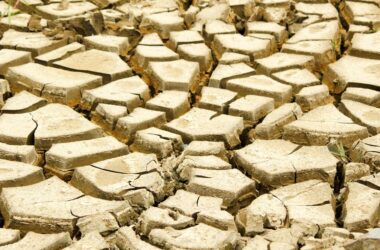
Global food security faces mounting threats as recent analyses warn of an impending ‘catastrophe’ driven by climate change impacts on agriculture, land degradation, and supply chain disruptions. Experts emphasize that without urgent, coordinated action addressing sustainable land use and climate resilience, millions risk hunger and malnutrition, undermining progress towards SDG 2: Zero Hunger. This crisis underscores the intricate link between climate change, land management, and food systems.
In parallel, the role of Bioenergy with Carbon Capture and Storage (BECCS) in mitigating greenhouse gas emissions has come under renewed scrutiny. While BECCS promises negative emissions by capturing CO2 from biomass energy production, new data suggest that its actual emissions may be higher than previously estimated, raising questions about its viability and environmental integrity. Policymakers and scientists are debating how BECCS should be integrated into climate strategies to align with SDG 13: Climate Action without compromising land and biodiversity goals.
Meanwhile, in the United Kingdom, the expansion of solar farms has sparked controversy amid concerns over land use conflicts, biodiversity loss, and local community opposition. Although solar energy is critical for advancing SDG 7: Affordable and Clean Energy, critics argue that some solar developments may encroach on agricultural land or ecologically sensitive areas, highlighting the need for balanced planning that supports renewable energy deployment while safeguarding ecosystems and food production.
These interconnected issues illustrate the complex challenges at the nexus of climate, land, and food systems. Achieving the Sustainable Development Goals requires integrated approaches that consider trade-offs and synergies across sectors. Experts call for enhanced policy coherence, stakeholder engagement, and investment in sustainable technologies and practices to build resilient food systems, reduce emissions responsibly, and expand clean energy in harmony with environmental and social objectives.