



 UN
UN
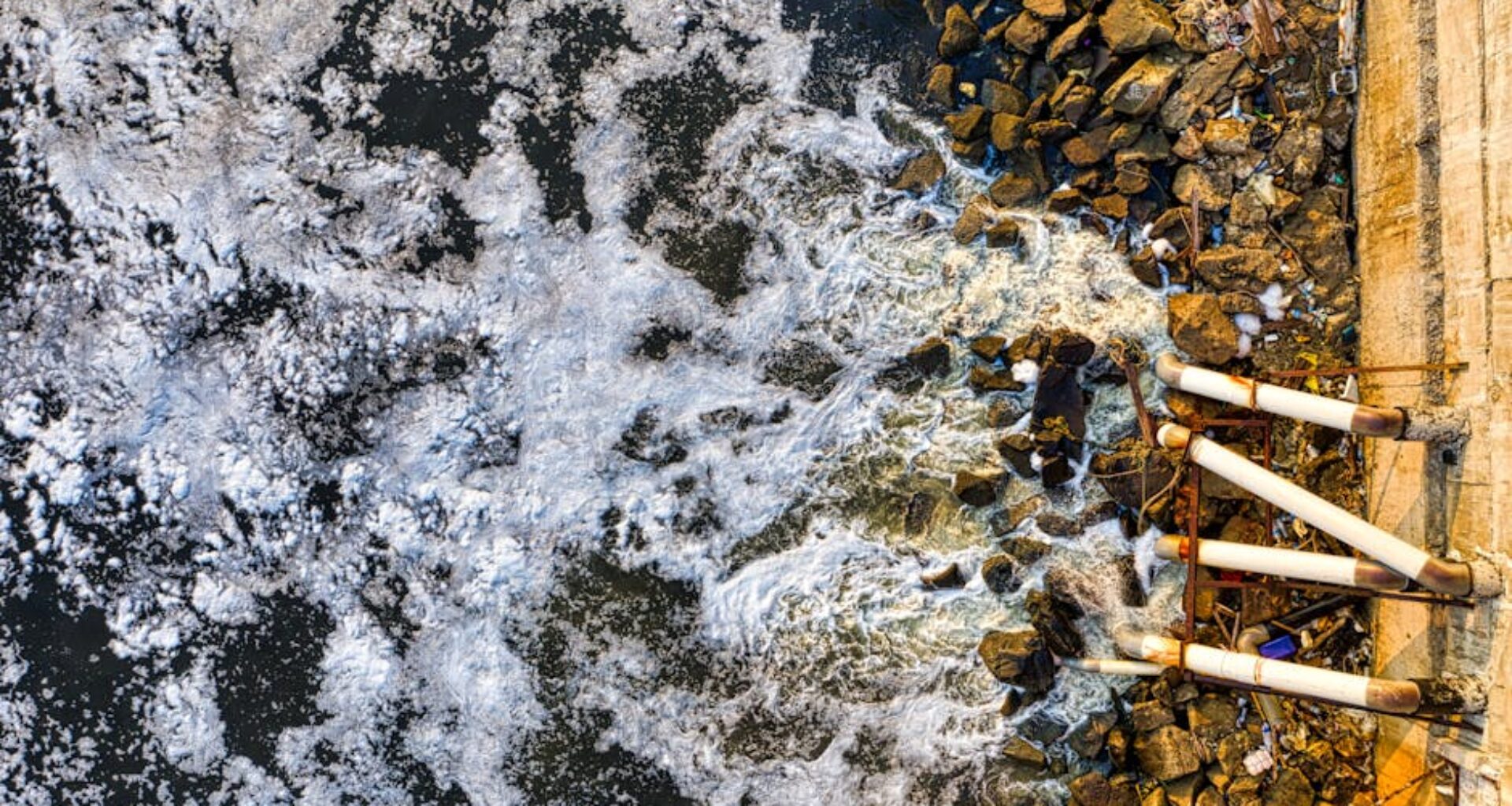
Coral reefs, vital marine ecosystems that support biodiversity and coastal livelihoods, are increasingly threatened by sewage pollution, even within designated marine protected areas (MPAs). A recent study conducted by the Wildlife Conservation Society (WCS) and the University of Queensland reveals that many MPAs fail to address land-based sewage runoff, which introduces harmful pathogens, excess nutrients, and chemical contaminants into reef environments. This oversight significantly compromises reef health and resilience, challenging the effectiveness of conservation strategies aimed at preserving these critical habitats.
Marine protected areas are established to restrict damaging human activities such as fishing, tourism, and development, thereby safeguarding coral reefs and associated marine life. However, the study highlights a systemic gap: most MPAs are designed without integrating watershed management or mitigating sewage discharge from adjacent coastal communities. The influx of untreated or partially treated sewage leads to eutrophication, promoting algal blooms that smother corals and disrupt symbiotic relationships essential for coral survival.
The researchers analyzed data from numerous reef sites across different regions and found that sewage contamination consistently correlates with coral degradation, regardless of the level of protection within MPAs. This finding emphasizes the interconnectedness between terrestrial and marine environments and underscores the need for holistic conservation approaches that extend beyond marine boundaries. Experts advocate for stronger policies that incorporate land-sea planning, improved wastewater treatment infrastructure, and community engagement to reduce pollution at its source.
Addressing sewage pollution is critical to achieving Sustainable Development Goal 14, which aims to conserve and sustainably use the oceans, seas, and marine resources. Effective management of land-based pollution sources can enhance coral reef resilience, preserve biodiversity, and sustain the ecosystem services these reefs provide, including fisheries, coastal protection, and tourism. The study serves as an urgent call to policymakers, conservationists, and stakeholders to integrate land and ocean governance and invest in infrastructure that safeguards marine ecosystems from sewage-related threats.