




 UN
UN
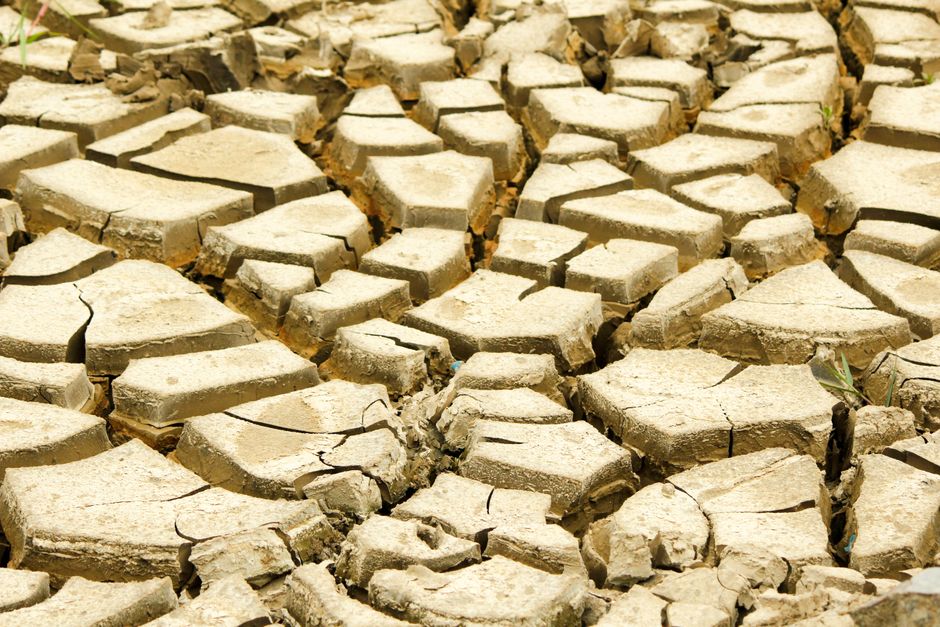
The Southeastern United States is currently grappling with a severe drought that has transformed the region into a high-risk wildfire zone. States such as Florida and Georgia are experiencing extensive wildfires that have consumed tens of thousands of acres, leading to significant property damage and the displacement of residents through mandatory evacuations. The combination of prolonged dry conditions, strong winds, and unseasonably low humidity levels has exacerbated the situation, turning vast areas into what experts describe as a “tinderbox”.
This surge in wildfire activity highlights the growing vulnerability of regions not traditionally associated with large-scale fires, underscoring the complex ways climate change is intensifying natural hazards. Prolonged drought diminishes soil moisture and dries out vegetation, creating ideal conditions for wildfires to ignite and spread rapidly. In Florida and Georgia, fire management teams are confronting significant challenges in containing these blazes due to the volatile weather conditions.
Environmental scientists warn that such extreme drought and wildfire patterns are becoming increasingly common in the southeastern U.S., driven in part by rising temperatures linked to global climate change. These events pose serious threats not only to ecosystems but also to the health, safety, and livelihoods of local communities. The destruction of homes and infrastructure disrupts economic stability and strains emergency response resources.
Efforts to mitigate wildfire risks in drought-prone areas are gaining urgency, emphasizing the need for integrated approaches combining better land management, robust firefighting capacity, and climate resilience strategies. Policymakers and environmental organizations are advocating for increased investment in early warning systems, community preparedness, and sustainable water management to reduce the vulnerability of drought-affected regions.
The ongoing wildfires in the Southeast serve as a stark reminder of the critical importance of addressing the root causes of climate change and enhancing adaptive measures to safeguard both natural environments and human populations. As the frequency and intensity of such events escalate globally, coordinated climate action remains essential to reduce future risks and promote sustainable development.