UN
UN
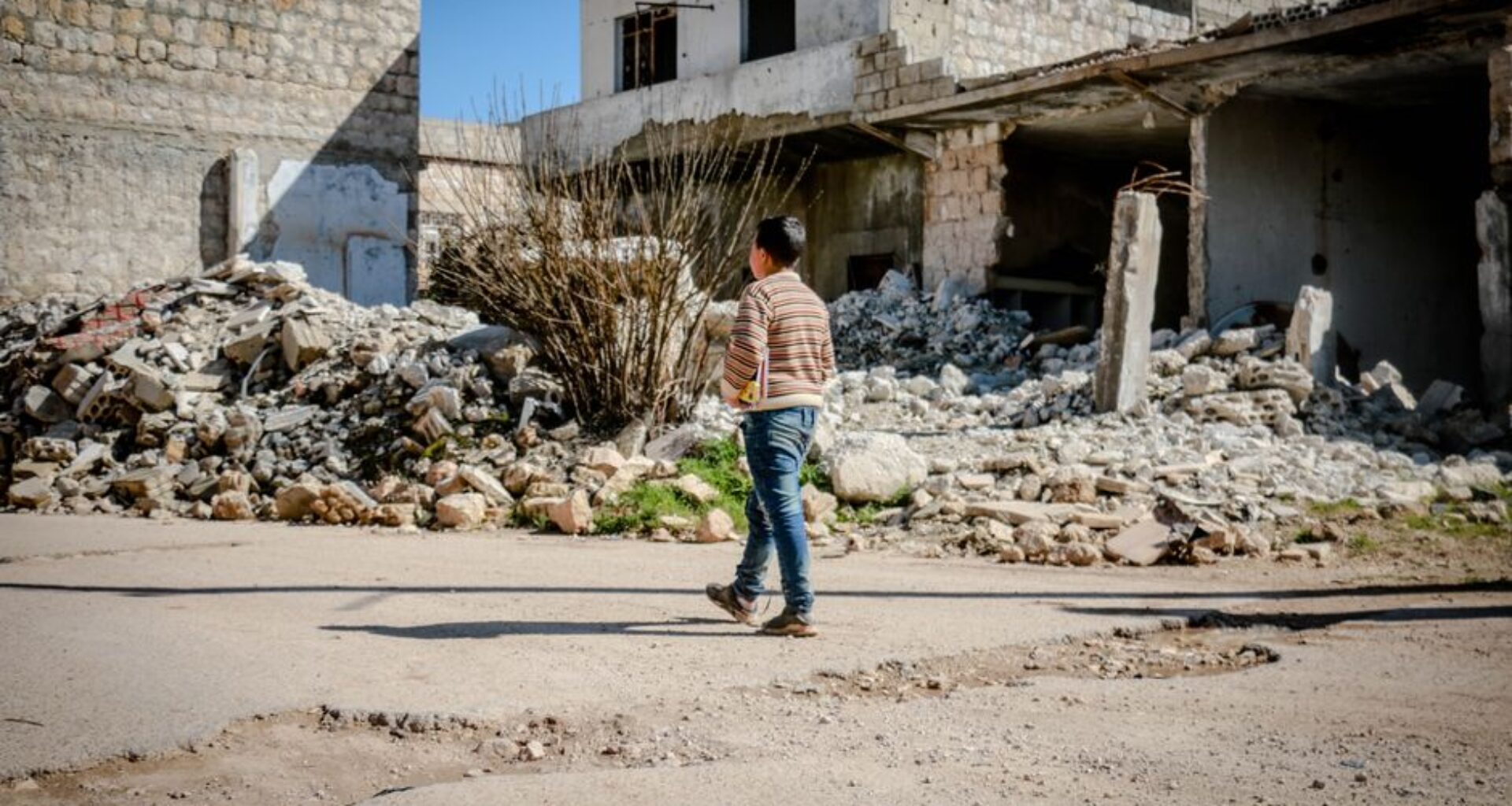

In a powerful gesture signaling the potential for lasting peace, thirty fighters from the Kurdistan Workers’ Party (PKK) publicly discarded their weapons into flames last July, symbolizing an end to decades of violent conflict with Turkey. While this historic moment offers hope for political reconciliation, it also sheds light on an often-overlooked consequence of protracted warfare: environmental degradation. The ecological toll left by years of fighting in the region now poses a significant challenge to sustainable recovery and development.
The conflict, which has spanned several decades, involved extensive military operations, deforestation, and disruption of local ecosystems. These impacts have compromised biodiversity, soil quality, and water resources, exacerbating the vulnerability of rural communities dependent on natural resources for their livelihoods. Experts emphasize that peace alone is not sufficient; deliberate strategies must be implemented to restore the damaged environment and support long-term sustainability.
Environmental specialists and local stakeholders are advocating for integrated peacebuilding approaches that incorporate ecological restoration alongside political solutions. Reforestation projects, sustainable land management, and rehabilitation of water systems are among the key initiatives necessary to reverse the environmental harm. Also, including environmental considerations in peace treaties can foster resilience against future conflicts by addressing resource-related tensions.
This case underscores the broader global challenge of reconciling post-conflict recovery with environmental sustainability, aligning closely with the United Nations Sustainable Development Goals, particularly SDG 15 (Life on Land) and SDG 16 (Peace, Justice, and Strong Institutions). As peace talks advance, the integration of environmental restoration measures offers a pathway to healing both the land and communities affected by prolonged conflict, illustrating how peace agreements can serve as catalysts for sustainable development.
The Kurdish experience highlights an essential lesson for international actors and policymakers: lasting peace requires holistic approaches that encompass social, political, and environmental dimensions. Addressing the ecological footprint of war not only aids recovery but also reduces the risk of renewed conflict driven by resource scarcity. As the region moves forward, the success of these efforts may serve as a model for other post-conflict zones worldwide.