



 UN
UN
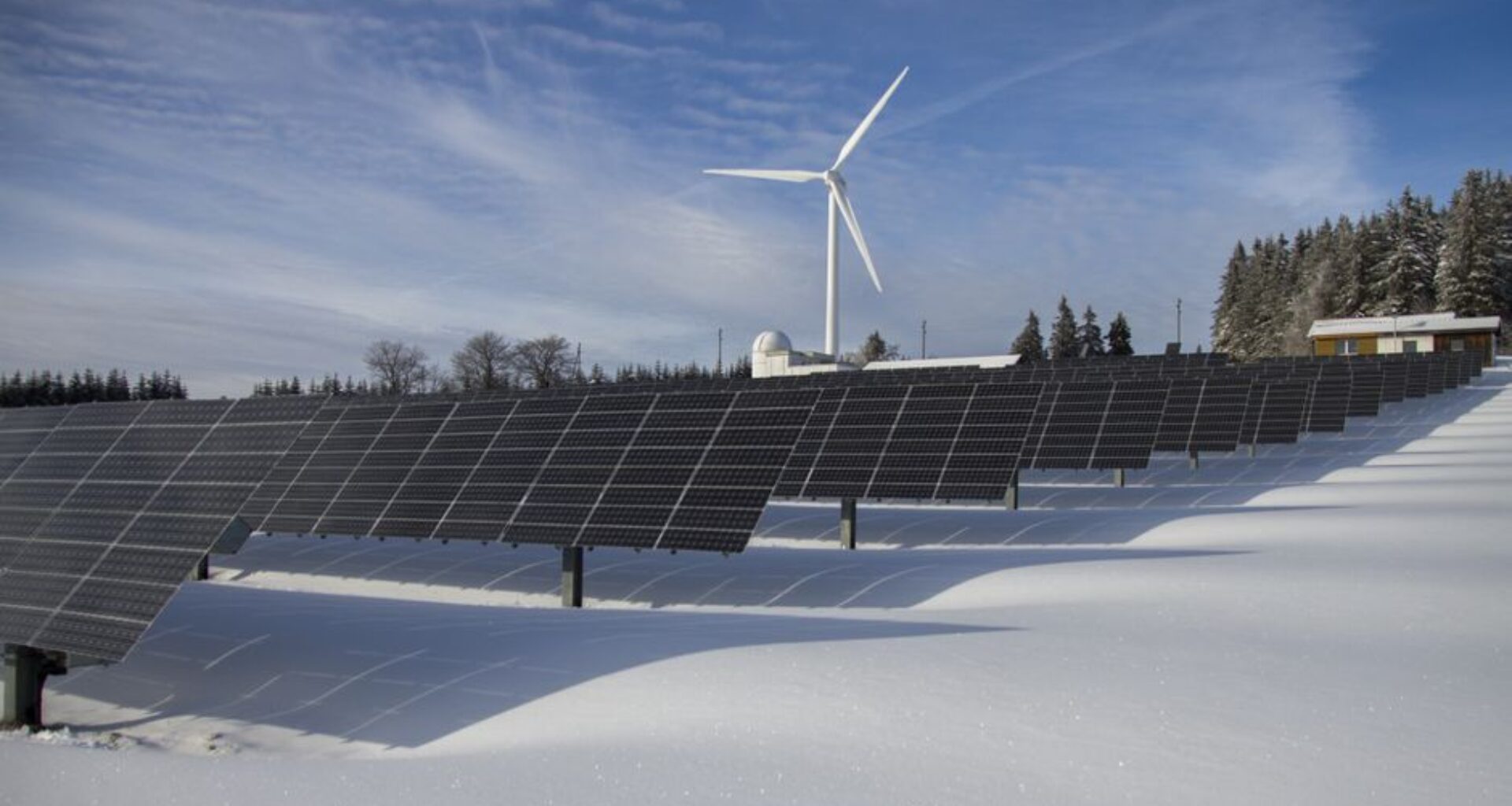

Since the onset of the recent conflict involving Iran, the United Kingdom has notably reduced its dependency on imported natural gas, thanks in large part to its expanding wind and solar energy sectors. Analysis reveals that renewable electricity generation has effectively substituted gas imports valued at approximately £1.7 billion during this period, underscoring the strategic and economic benefits of clean energy investments.
This shift comes at a critical time when global energy markets have experienced heightened volatility and supply chain uncertainties due to geopolitical tensions. The UK’s commitment to scaling up renewable capacity not only aligns with its climate targets under the Sustainable Development Goals (SDGs), particularly SDG 7 (Affordable and Clean Energy) and SDG 13 (Climate Action), but also enhances its energy security by reducing exposure to external shocks.
Experts highlight that the increased output from wind and solar installations has mitigated the need to rely on gas imports, which are subject to price fluctuations and supply disruptions. This resilience contributes to stabilizing energy prices for consumers and businesses alike, while simultaneously reducing carbon emissions associated with fossil fuel consumption.
However, while these developments are promising, stakeholders emphasize the importance of continued investment in renewable infrastructure, grid modernization, and energy storage solutions to sustain and amplify these gains. The UK’s experience offers a compelling case study for other nations seeking to decouple energy systems from geopolitical risks and accelerate the transition to sustainable energy.
As the world grapples with complex challenges at the nexus of energy security and climate change, the UK’s example demonstrates that renewable energy deployment can deliver tangible economic and environmental dividends, reinforcing the global imperative to pursue clean energy pathways.