UN
UN
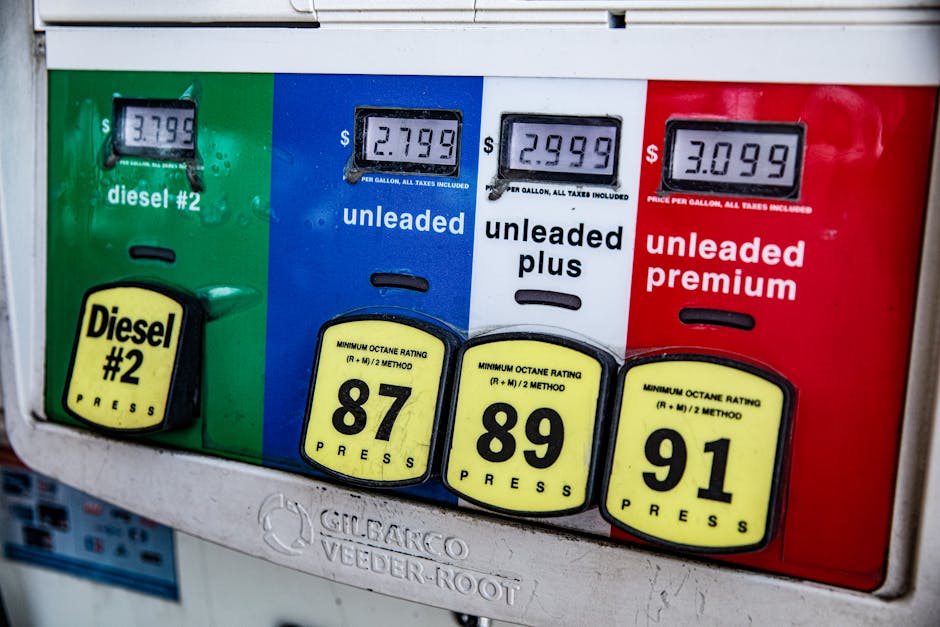
The recent surge in oil prices has intensified the financial pressure on the aviation sector, traditionally reliant on fossil-based jet fuel. This economic strain is creating a pivotal opportunity for sustainable aviation fuels (SAFs), including biofuels and hydrogen alternatives, to gain traction in an industry struggling to reduce its carbon footprint. As airlines grapple with soaring operational costs, the relative competitiveness of SAFs is improving, potentially accelerating the transition toward greener aviation.
Sustainable aviation fuels have long been touted as a critical component in decarbonizing air travel, which contributes approximately 2-3% of global carbon dioxide emissions. Despite their environmental advantages, SAFs have faced significant challenges, including high production costs, limited availability, and regulatory hurdles. However, the current oil price volatility is reshaping the economic landscape, making these alternatives more economically viable.
Industry experts highlight that biofuels derived from sustainable feedstocks and hydrogen-powered aircraft could significantly reduce lifecycle emissions compared to conventional jet fuel. According to recent analyses, SAFs can cut carbon emissions by up to 80%, depending on the feedstock and technology used. The International Air Transport Association (IATA) and other stakeholders have underscored the necessity of scaling SAF production to meet ambitious decarbonization targets aligned with the Paris Agreement and the UN Sustainable Development Goals.
Governments and private sector actors are increasingly responding to this momentum by investing in SAF research, infrastructure, and policy frameworks. For example, several countries have introduced mandates or incentives to boost SAF uptake, while airlines are committing to purchase agreements that support market growth. Nevertheless, experts caution that overcoming supply chain limitations and ensuring sustainability criteria remain paramount to prevent unintended environmental or social consequences.
The current oil crisis may thus serve as a catalyst for the sustainable aviation fuel industry, helping to overcome previous barriers and driving innovation. If leveraged effectively, this shift could position aviation on a more sustainable trajectory, contributing significantly to global climate action efforts and the achievement of SDG 13 (Climate Action).