UN
UN
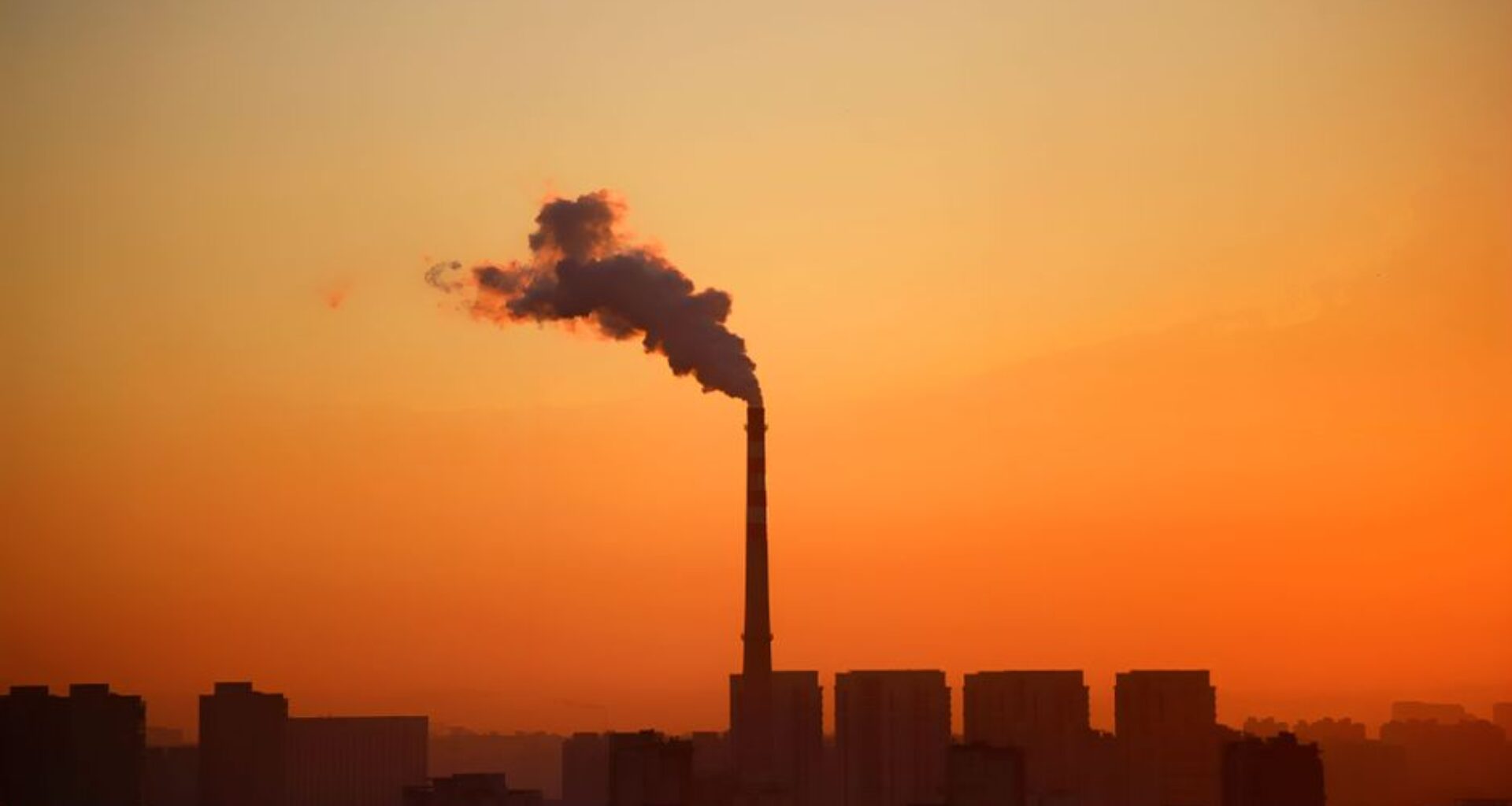
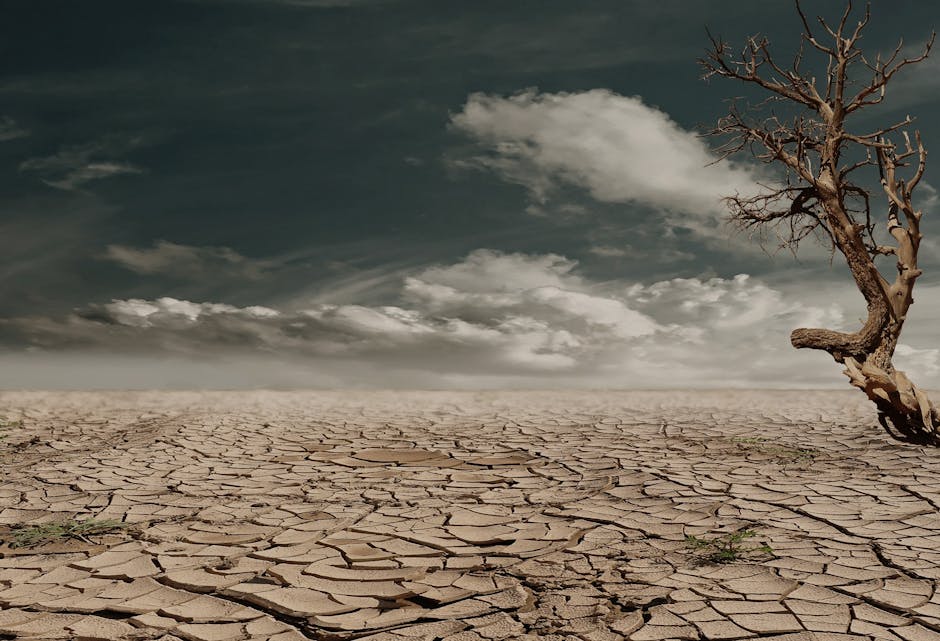
Rising global temperatures and shifting weather patterns driven by climate change are exacerbating pollen seasons, leading to longer durations and increased intensity of allergen exposure across the Northern Hemisphere. Medical experts report that allergy sufferers are experiencing unprecedented symptoms, a trend closely linked to environmental changes. Dr. Neelima Tummala, an ear, nose, and throat specialist at NYU Langone Health, notes an annual increase in patients reporting more severe allergy symptoms than in previous years, corroborating scientific data on pollen proliferation.
Studies indicate that warmer temperatures extend the growing seasons of plants that produce allergenic pollen, such as ragweed and various tree species. Elevated carbon dioxide levels further stimulate plant growth, resulting in higher pollen production. This combination prolongs the duration of pollen seasons and increases the concentration of airborne allergens, placing greater strain on individuals with respiratory conditions such as allergic rhinitis and asthma.
The public health implications are significant, as more intense allergy seasons lead to increased healthcare visits, greater reliance on medication, and reduced quality of life for millions worldwide. Vulnerable populations, including children, the elderly, and those with pre-existing respiratory diseases, face heightened risks. Also, the economic burden associated with lost productivity and medical costs is substantial, underscoring the importance of integrating climate considerations into health policy.
Addressing this emerging challenge requires a multifaceted approach. Mitigation of climate change through reduced greenhouse gas emissions remains paramount to curbing the root causes of prolonged pollen seasons. Simultaneously, adaptation strategies—such as enhanced monitoring of allergen levels, public education on preventive measures, and improved healthcare access—are essential to manage the growing health impacts. This intersection of environmental change and health highlights the critical need for coordinated action under the Sustainable Development Goals, particularly SDG 3 (Good Health and Well-being) and SDG 13 (Climate Action).