UN
UN
🎙 LISTEN —
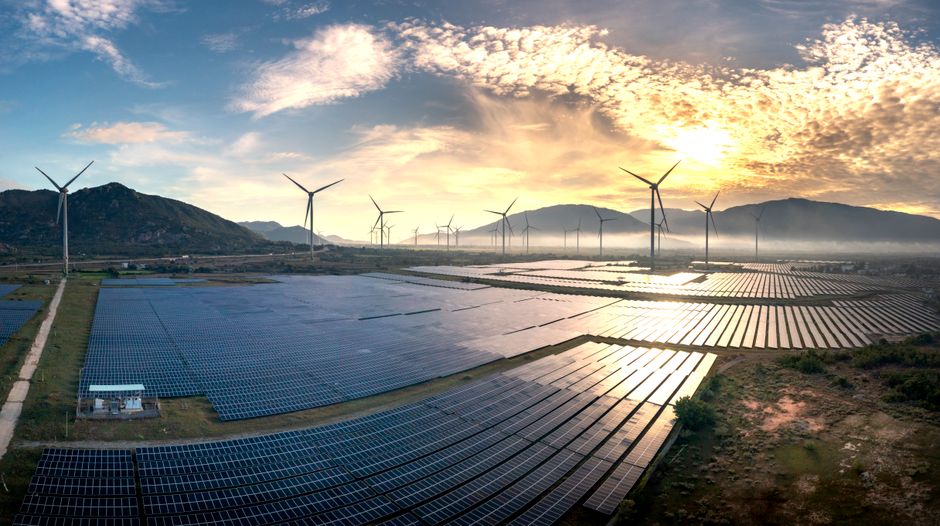
Global Renewable Energy Capacity Surges by 15% in 2025, Boosting SDG 7 Progress
This expansion directly contributes to Sustainable Development Goal 7 (SDG 7), which aims to ensure access to affordable, reliable, sustainable, and modern energy for all by 2030. Progress on SDG 7 is vital not only for economic development but also for climate action, as renewable energy is a critical component in reducing global greenhouse gas emissions. As noted by Francesco La Camera, Director-General of IRENA, “The renewable energy revolution is accelerating, but meeting global climate goals requires even greater ambition and faster deployment.”
Despite these positive trends, challenges remain. Energy access disparities persist, particularly in Sub-Saharan Africa and parts of South Asia, where millions still lack electricity. Furthermore, integrating variable renewables into national grids requires substantial investment in grid infrastructure and energy storage technologies. Policymakers and stakeholders must also address supply chain constraints and ensure that renewable projects provide social and economic benefits to local communities.
Looking ahead, governments worldwide are expected to continue ramping up renewable energy targets, with emerging technologies such as green hydrogen gaining momentum. The International Energy Agency (IEA) projects that renewables could account for nearly 90% of electricity generation growth by 2030 if current policies and investments are sustained. This trajectory, if realized, would significantly propel global progress toward SDG 7 and broader climate goals under the Paris Agreement.
In conclusion, the 15% increase in renewable energy capacity in 2025 is a promising development illustrating the accelerating energy transition. While substantial hurdles remain, continued international cooperation, innovative financing, and inclusive policy frameworks will be essential to maintain this growth trajectory and ensure clean energy access for all.