



 UN
UN 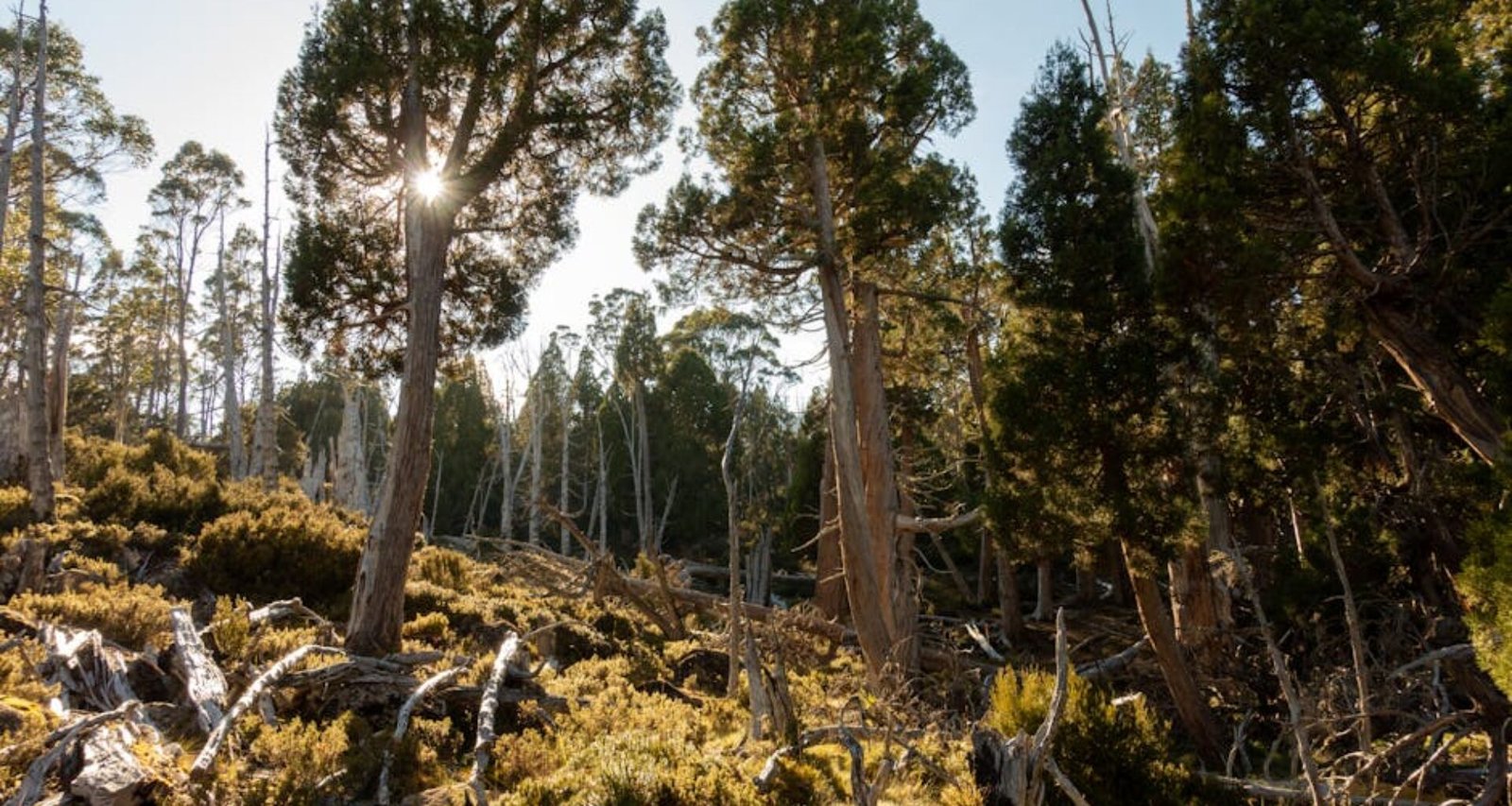
Tasmania’s lush forests, long regarded as a climate refuge due to their cool and stable environment, are now facing unprecedented warming that threatens their unique ecosystems. Researchers like Todd Walsh are witnessing firsthand the challenges confronting these habitats. Along the Lilydale Falls Trail in northern Tasmania, Walsh monitors juvenile giant freshwater crayfish, an iconic species dependent on pristine, shaded creek environments. However, shifting temperature patterns and changing water flows are putting these sensitive species and their habitats at risk.
Historically, Tasmania’s temperate rainforests have been a sanctuary for biodiversity, buffering species against the more extreme climate impacts seen on mainland Australia. Yet recent data reveals that even these cooler southern forests are experiencing rising average temperatures and altered precipitation regimes. Such changes disrupt the delicate balance of moisture and shade critical for the survival of endemic flora and fauna, including ancient tree species and freshwater invertebrates.
Experts warn that without targeted conservation efforts, Tasmania’s forests could lose their status as a climate refuge, which has significant implications for regional biodiversity and carbon storage. The giant freshwater crayfish, which is Australia’s largest freshwater invertebrate and listed as vulnerable, serves as a key indicator species for ecosystem health. Its decline signals broader environmental stress that could cascade through the forest ecosystem.
Conservationists advocate for enhanced monitoring, habitat restoration, and climate-adaptive management strategies to safeguard these forests. Protecting riparian zones, controlling invasive species, and ensuring adequate water flow are among the measures that could help build resilience. Tasmania’s experience underscores the urgent need for global climate action, as even traditionally stable ecosystems are now vulnerable to warming.
As the impacts of climate change accelerate worldwide, Tasmania’s forests remind us that no natural refuge is immune. Preserving these unique ecosystems is not only vital for local biodiversity but also contributes to global efforts in climate mitigation and sustainable development. The situation highlights the interconnected challenges addressed by the Sustainable Development Goals, particularly SDG 13 (Climate Action) and SDG 15 (Life on Land).