



 UN
UN
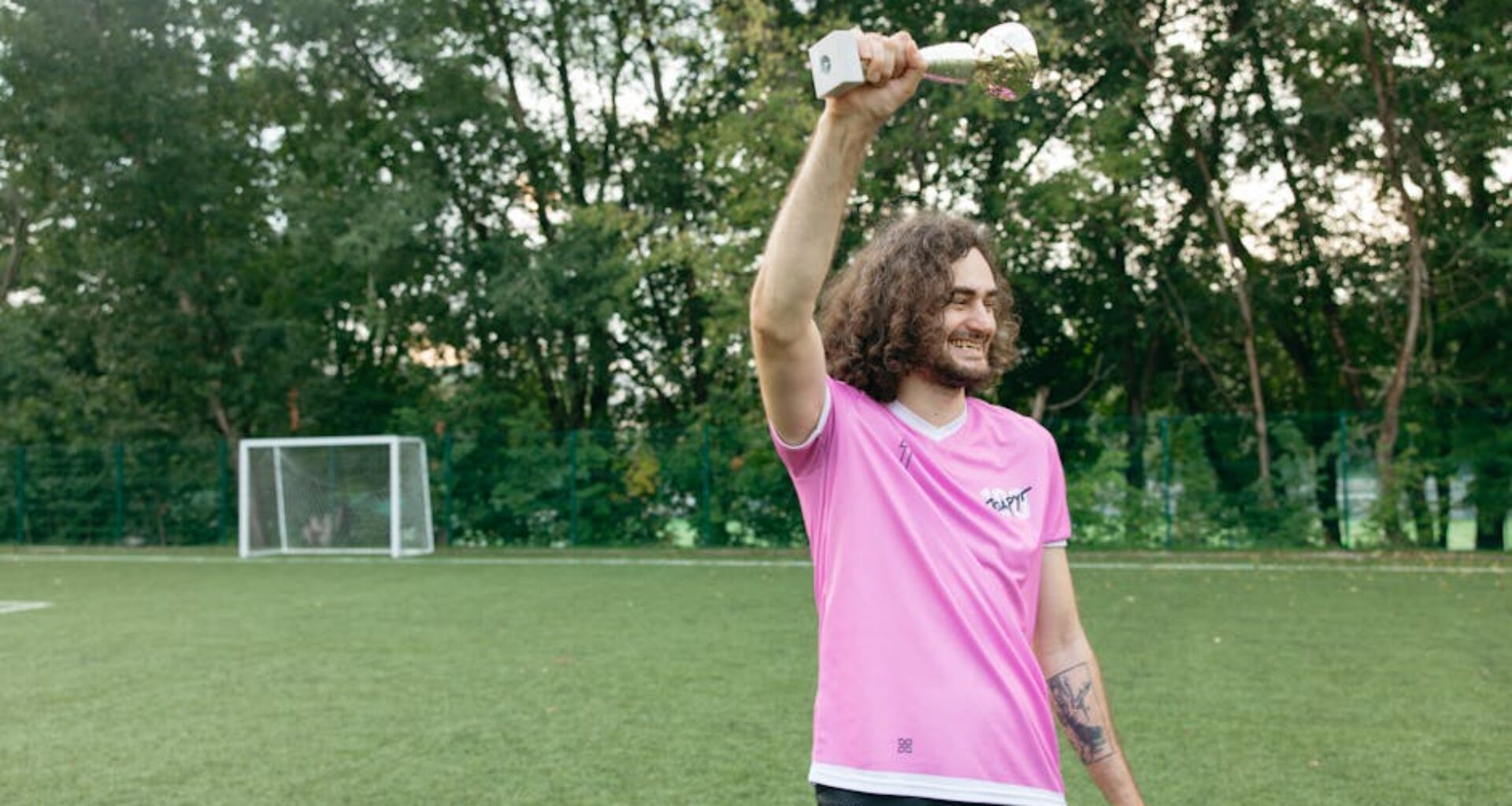
This week, the worlds of sport and global diplomacy intersected as Brazilian football icon Zico visited the United Nations Headquarters in New York to advocate for sustainable development goals (SDGs). Known as one of football’s greatest ambassadors, Zico leveraged his influence to highlight how sport can be a powerful catalyst for positive social change worldwide. His visit underscores the growing recognition within the sporting community of its potential role in advancing the 2030 Agenda for Sustainable Development.
Zico engaged with UN officials and representatives from various international organizations to discuss collaborative efforts between football institutions and the United Nations. The dialogue focused on how the sport’s universal appeal can be harnessed to promote education, gender equality, health, and peace—key areas emphasized by the SDGs. His involvement signals a broader movement within sports to contribute actively to global challenges such as poverty alleviation, social inclusion, and climate action.
Experts note that football’s unparalleled reach, connecting billions across diverse cultures and geographies, positions it uniquely to inspire behavioral change and raise awareness on critical issues. Initiatives like community football programs, youth engagement, and campaigns against discrimination are examples of how the sport aligns with sustainable development objectives. Zico’s presence at the UN amplifies these efforts, encouraging stakeholders to integrate sport-based solutions into policy frameworks.
The collaboration between football and the United Nations reflects an evolving strategy to engage new actors in the pursuit of a better world. As the 2030 deadline approaches, leveraging popular platforms such as football helps to mobilize public support and resources for the SDGs. Zico’s advocacy exemplifies how sports legends can transcend athletic achievements to become influential voices for global sustainability and social progress.