



 UN
UN
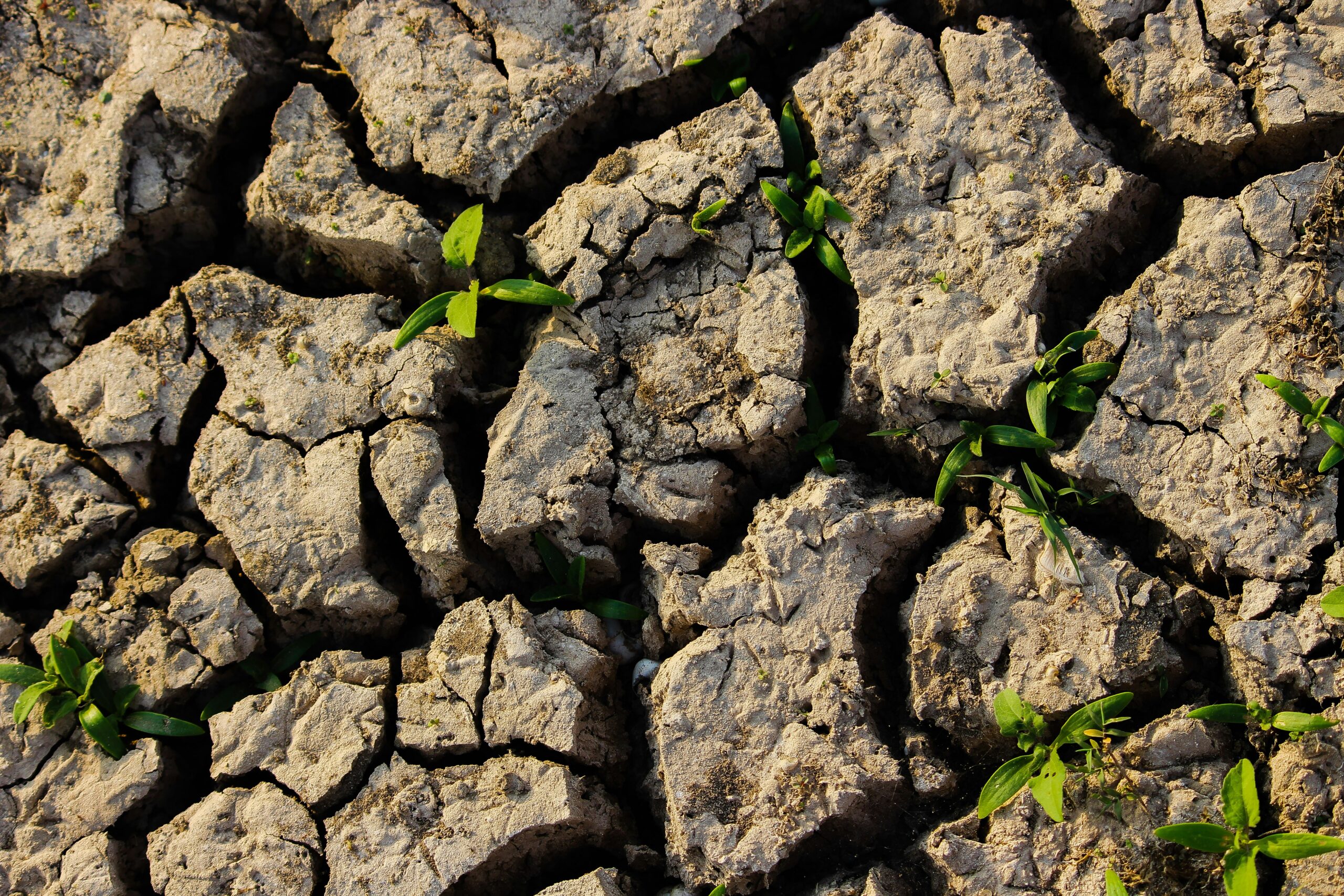
(SDGTALKING) – By Bunyamin Surmeli – The United Nations announced that approximately 40 percent of the world’s land is affected by land degradation and drought, and that the livelihoods of more than three billion people are at risk. The UN highlights that land restoration can create economic opportunities and new jobs in addition to environmental benefits.
As the effects of climate change, drought, and improper land use continue to grow worldwide, the United Nations has released striking data on the extent of land degradation.
According to an assessment by the UN Convention to Combat Desertification, approximately 40 percent of the world’s land is affected by land degradation and drought.
This situation directly threatens the livelihoods of more than three billion people.
The issue was also one of the main agenda items at the UNCCD COP17 meeting held in Ulan Bator, the capital of Mongolia, from August 17 to 28.
The UN emphasizes that land restoration should not be viewed solely as a means of repairing environmental damage; it also presents significant opportunities in terms of agriculture, employment, food security, and economic development.
From Ecuador to Bangladesh, projects are underway in various countries that transform land restoration into an economic activity through initiatives such as the revaluation of agricultural waste, greenhouse systems, and AI-powered sensors.
Preventing land degradation is of critical importance for the future of, in particular, SDG 2: Zero Hunger, SDG 8: Decent Work and Economic Growth, SDG 13: Climate Action, and SDG 15: Life on Land.