UN
UN 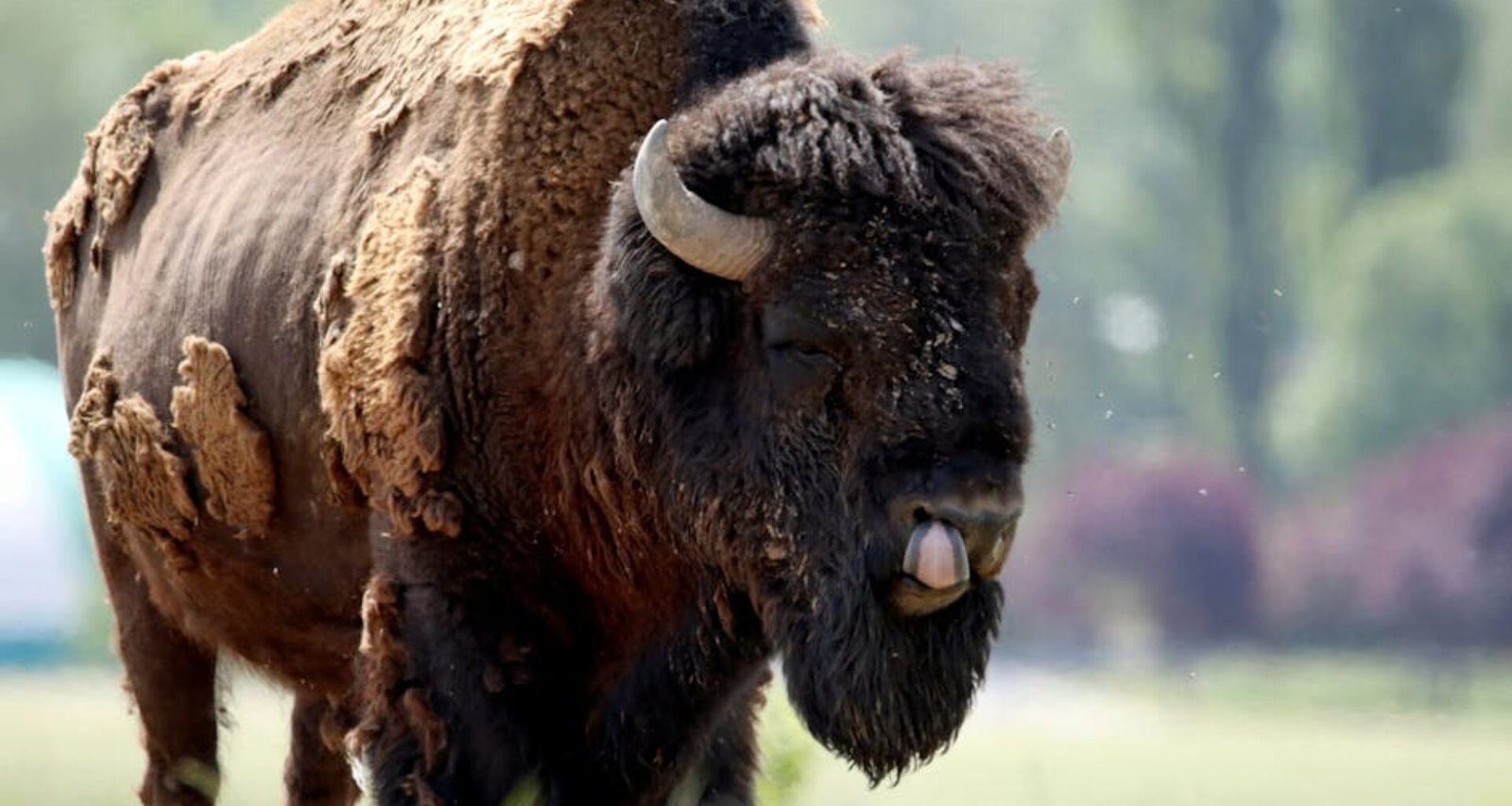
In a recent policy decision that has raised eyebrows among conservationists and indigenous communities alike, the U.S. Interior Department has implemented a ban on a nonprofit organization’s bison grazing activities on federal lands in a single western state. This measure, described by officials as a “final decision,” narrowly targets one conservation-focused operation, while notably exempting Native American tribes that manage significantly larger bison herds across multiple states.
The nonprofit in question has been engaged in efforts to restore and protect bison populations as part of broader ecological conservation initiatives. Advocates argue that such programs are critical for biodiversity, ecosystem restoration, and cultural heritage preservation. However, the administration’s ruling restricts these efforts by barring the organization’s bison from federal grazing grounds, effectively limiting its capacity to expand or maintain its herds on public lands.
In contrast, the Interior Department has pledged ongoing support and assurances to numerous Native American tribes. These tribes, many of whom maintain longstanding cultural and spiritual connections to bison, operate extensive herds under federal agreements. The decision to spare tribal herds from similar restrictions reflects the government’s recognition of tribal sovereignty and the unique role of indigenous communities in conservation and land stewardship.
Experts note that this uneven enforcement underscores the complexities and legal nuances surrounding wildlife management on public lands. It raises important questions about balancing conservation goals, indigenous rights, and nonprofit environmental initiatives. As bison populations are emblematic of broader ecological restoration efforts linked to Sustainable Development Goals such as Life on Land (SDG 15) and Reduced Inequalities (SDG 10), this policy development highlights ongoing challenges in aligning federal land use with sustainable and inclusive conservation strategies.
Moving forward, stakeholders are calling for clearer guidelines and collaborative frameworks that support both indigenous-led conservation and nonprofit environmental efforts. Such approaches are seen as vital for advancing ecosystem resilience, cultural preservation, and equitable access to natural resources on public lands.